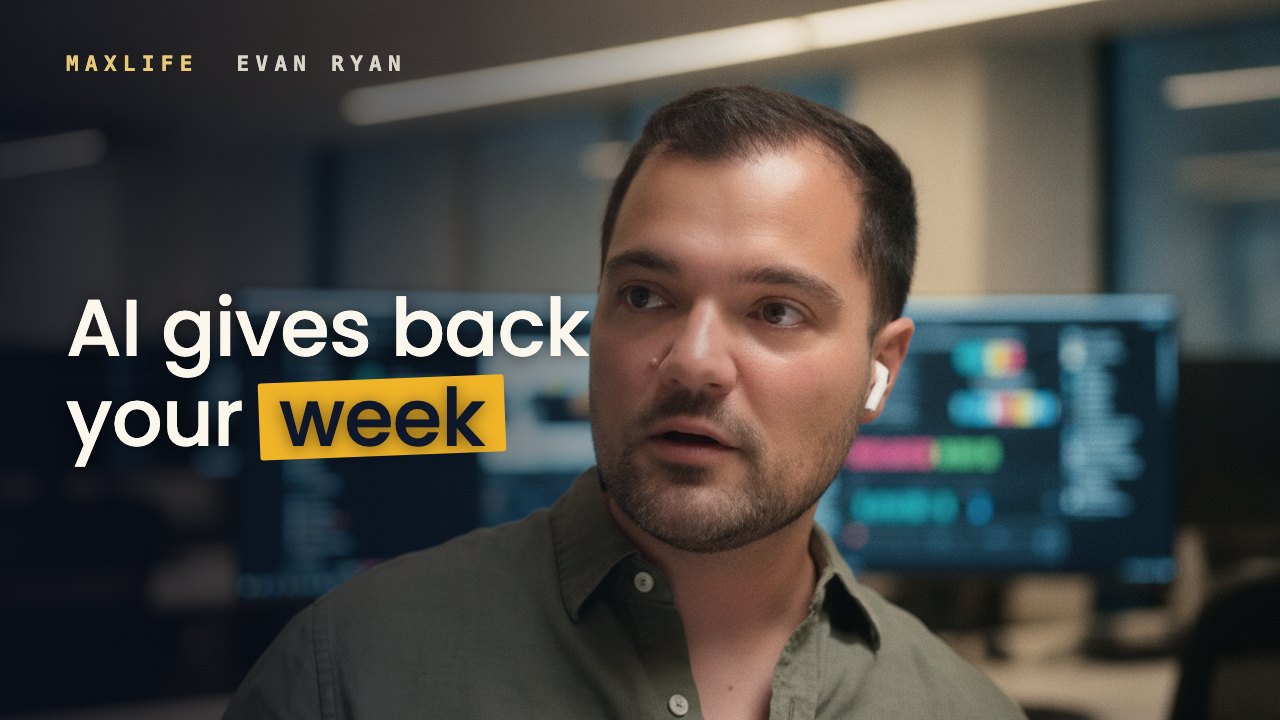
MaxLife Podcast · Episode

5 Hours Less Work? Discover Evan Ryan's AI Strategy!

Most AI advice skips the hardest part: getting your team to actually want it. Evan Ryan, founder of Teammate AI, shares the formula that starts with vision, not software.

With Evan Ryan1h 32mAI Integration · Team Productivity · Digital Nomad
The short version

Reclaiming 5 or more hours a week with AI starts before you open any app. Evan Ryan argues that most teams resist AI not because they fear technology but because leadership has never clearly shown them what the future looks like and where they fit in it. His integration formula runs in four steps: audit what your people actually do each day, map the obstacles between now and your vision, identify the A players responsible for each obstacle, then automate the repetitive work those people hate so they can focus on what matters. The simplest starting point is replacing Google search with ChatGPT or Perplexity, which alone can recover three to five hours a week per person without any workflow overhaul.

Key moments
What you'll take away

9 ideas from this conversation

01

Vision first, software second

Teams resist AI when they can't see how the future needs them. Outline the vision clearly and people find their own reasons to automate.

02

Start by replacing Google

Switching from Google to ChatGPT or Perplexity for everyday searches can recover three to five hours a week with almost no learning curve.

03

Demo is not production

A tool that looks flawless in a vendor video may not hold up in your actual workflow. Run your own test before committing.

04

Automate what your A players hate

Find the obstacles between now and your vision, name who owns each one, then clear their plates of the repetitive work shackling them to the present.

05

The grind culture blocks adoption

Most people were taught that hard, repetitive work is noble. That belief has to be unlearned before AI can take hold in a team.

06

Five minutes adds up fast

"It's only 10 minutes" is the most common objection Evan hears. Multiply it by 20 times a day and it becomes a month and a half of labor recovered per year.

07

A players need a bigger future

If someone can't see what they'd do with freed-up time, they'll quietly stall every automation conversation. The fix is leadership, not technology.

08

Mobile-first work unlocks freedom

Spend two weeks working only from a laptop bag. Every time you reach for a shelf or a filing cabinet, digitize that thing. That's your readiness audit.

09

Time zones can be a productivity hack

Working five to seven hours ahead of your home time zone means a quiet morning block where no one can interrupt you, and Evan says it's when he does his best work.

Full show notes

5 Hours Less Work? Discover Evan Ryan's AI Strategy!

How to integrate AI into your business without losing your team

Most AI rollouts fail the same way. A leader listens to a podcast, buys everyone a ChatGPT subscription, and tells the team to figure it out. Evan Ryan calls this "a solution in search of a problem," and he's watched it stall inside hundreds of companies. The fix isn't a better tool. It's a clearer vision. "If we can do a better job at outlining that vision and how every group needs to transform in order to meet that vision, then naturally everybody finds all the ways to use AI and automation," Evan told Ben. The future has to feel more exciting than the present before anyone will voluntarily let go of the present.

The four-step AI integration formula for small teams

Evan's formula is deceptively simple. First, write down the clearest possible version of your company's future, not just revenue targets but the implications of hitting them. Second, list every obstacle standing between now and that future. Third, put a name next to each obstacle: who in your organization is responsible for helping you clear it? Fourth, write down everything that person does that they hate, and start automating that. "Where you find yourself is with a problem called my A players are underutilized, searching for a solution, which might be AI." That sequence matters. You're not handing people a tool and hoping they use it. You're removing the friction that keeps your best people stuck in the present.

Why people protect repetitive work and what to do about it

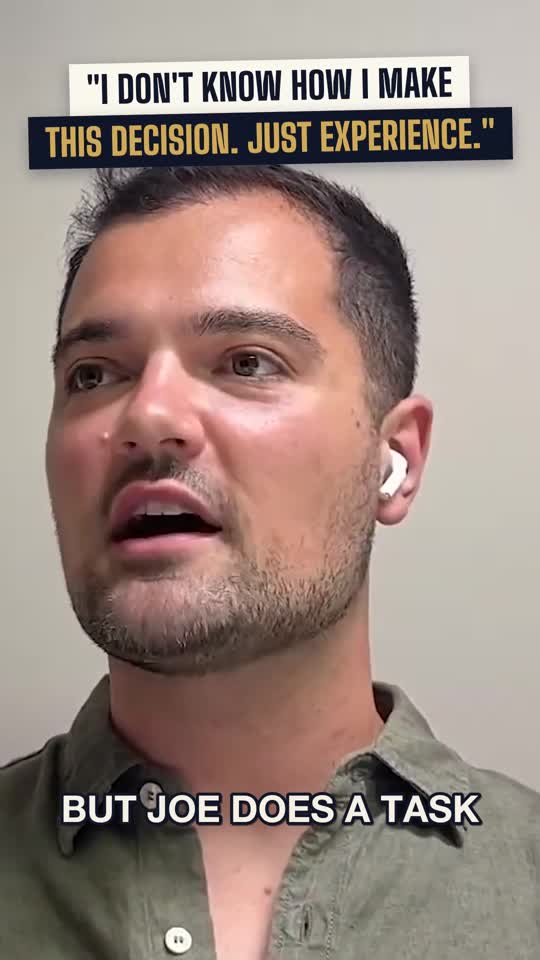
Evan describes a character he calls Joe. Joe does a task well, but when you ask him to document it, about 10 percent of the steps come out as "I don't really know, it just comes from experience." That 10 percent is fairy dust, the invisible moat Joe has built around his role to feel irreplaceable. "That is a leadership problem more than it is a Joe problem, from my experience." Joe isn't being malicious. He just hasn't been shown a future that's more compelling than the security of being the only one who knows how to do the thing. Show him that future and the fairy dust disappears on its own.

The easiest AI wins hiding in plain sight

Before any workflow automation, Evan points to one change that costs nothing and recovers three to five hours a week per person: stop using Google for everyday questions and start using ChatGPT or Perplexity. "You'll probably save three, four, five hours a week. Just full stop done." The search experience on Google has degraded slowly enough that most people don't notice how much time they spend clicking, reading irrelevant content, and clicking back. An AI search tool reads twenty sources and hands you the answer. Multiply the time saved by 52 weeks and you've recovered a month and a half of labor without touching a single internal process.

AI misconceptions that slow businesses down

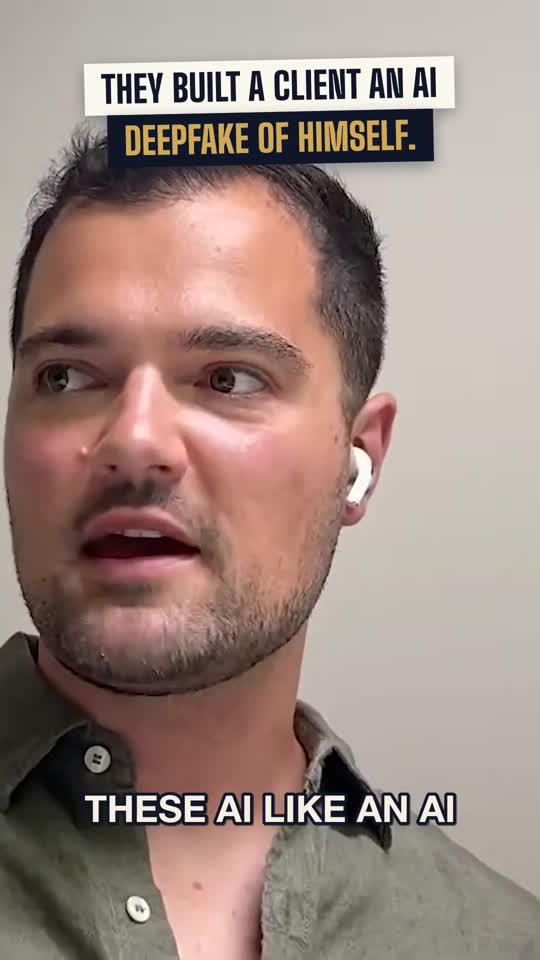
The two most damaging myths Evan encounters are that AI disruption is sudden and that a great demo means a ready product. On the first: "Netflix and Blockbuster didn't exist at the same time for a period of time", and Uber spent hundreds of millions fighting taxi lobbies before a single ride was taken. Technology change is fast and gradual at the same time. On the second: Evan's team tested eight deep-fake video platforms for a client and every demo looked polished. In production, none of them quite cleared the uncanny valley. The standard decision-making you developed for mobile apps and websites still applies. Just because something has AI next to its name doesn't mean it's ready for your use case.

What three and a half years of digital nomad life teaches you about productivity

Evan has been living out of Airbnbs across six continents with his fiancée since 2021. The productivity insight that surprised him most: he works less when he's five to seven hours ahead of Eastern time, and he gets more done. "When I have four or five hours in the morning when America is asleep, I am so productive that I run out of things to do that day." The absence of Slack pings and Teams notifications isn't a bug of working abroad. It's a feature worth engineering at home. His practical advice for anyone who can't go nomad: spend two weeks working only from a laptop bag, digitize everything you reach for, and do one full day of work from your phone. If it works, you're ready for anywhere.
Quotable

Lines worth sitting with

If you hate it and it sucks and it's really repetitive, maybe that's better off for a computer now.
Evan Ryan
Where you find yourself is with a problem called my A players are underutilized, searching for a solution, which might be AI.
Evan Ryan
If we can do a better job at outlining that vision and how every group needs to transform in order to meet that vision, then naturally everybody finds all the ways to use AI and automation because the future is way more exciting than the present.
Evan Ryan
I never spend more money than when I am back in the United States.
Evan Ryan
Free · No. 26 of the series

I want to use AI but I don't know where my team's time actually goes
Reflection Worksheet

The episode is 1h 32m. This worksheet is fifteen minutes. The fifteen minutes is the part that changes anything: five questions from this exact conversation, pointed at your business and your life. Answer them on paper while the ideas are still fresh, and they become yours for good.

  • The Five-Minute Leaks
  • The Fairy Dust You Sprinkle
  • Name The Bigger Future
  • Make It Real Enough To Want
  • The One Task To Hand Off
You get this worksheet plus the full 75-worksheet binder, free.
5 prompts, 1 pagePrintable, binder-readyFree, no spam
Open the full worksheet →
Clips · grab & share

Short highlights from the episode

Short clips from this episode are on the way. Watch the full episode while we cut them.
The guest

Meet Evan Ryan

Evan Ryan on the MaxLife Podcast

Evan Ryan

Founder, Teammate AI · Author, AI as Your Teammate

Evan Ryan is the founder of Teammate AI and the bestselling author of AI as Your Teammate. He helps entrepreneurs and their teams reclaim time by auditing how work actually gets done and automating the repetitive tasks that block A players from higher-value work. For the past three and a half years he has run his company as a digital nomad, working from Airbnbs across six continents with his fiancée.

Questions, answered

Questions & answers

How do I integrate AI into my business without overwhelming my team?
Start with vision, not software. Clearly outline where the company is going and show each person how their role needs to evolve to get there. Once people can see a future that excites them, they'll seek out AI tools on their own to clear the path. Buying everyone a ChatGPT subscription before doing that work almost always stalls.
How much time can AI realistically save per week?
Evan Ryan estimates that simply switching from Google to an AI search tool like ChatGPT or Perplexity recovers three to five hours per person per week. Over a year that's roughly a month and a half of labor, and it requires no internal process changes. Deeper workflow automation adds significantly more on top of that.
What is the best way to start using AI if I'm a complete beginner?
Replace Google with ChatGPT or Perplexity for everyday questions. You already know how to type a search query, so the learning curve is nearly zero. From there, try using the voice mode in ChatGPT for a conversation on a walk, or take a photo of your meal and ask for a rough nutritional breakdown. Both build the habit without requiring any technical setup.
Why do employees resist AI automation even when it would help them?
Most resistance comes from two places. The first is underestimating small time savings, "it's only 10 minutes" feels trivial until you multiply it across a full year. The second is identity: people protect repetitive tasks because those tasks make them feel irreplaceable. The solution is leadership showing each person a compelling future where their unique value matters more, not less, once the repetitive work is gone.
Is AI going to replace jobs overnight?
Evan argues it won't. Every major technology shift, the internet, mobile phones, the personal computer, happened gradually even when the underlying progress felt fast. Regulatory friction, infrastructure limits like chip supply and power grid capacity, and the gap between demos and real production all slow adoption. That doesn't mean you should wait, but it does mean you don't need to panic-buy every new AI tool.
How do I know which AI tools are actually ready to use versus just well-marketed?
Evan's rule is simple: a great demo is not a production-ready product. Test any tool in your actual workflow before committing. His team tried eight deep-fake video platforms for a client and every demo looked flawless; none of them held up in real use. Apply the same judgment you'd use for any software purchase and don't let the word AI override your normal due diligence.
Share kit

Help spread this episode

Ready-to-post copy for guests and fans. Grab a caption, pick a clip above, and link this page.

Copy any of these word-for-word, or make them your own. They tag the show so it shows up when you post.

Social caption — long
What if the reason your team isn't using AI has nothing to do with the tools? Evan Ryan, founder of Teammate AI and author of AI as Your Teammate, just sat down with Ben Laws on the MaxLife Podcast and laid out the clearest AI integration formula I've heard. The short version: outline your company's future in real detail, map the obstacles, name who owns each one, then automate the repetitive work those people hate. That's when AI adoption becomes a pull, not a push. He also breaks down why switching from Google to ChatGPT alone can recover 3-5 hours a week per person, why demos almost never equal production, and how three and a half years of working from Airbnbs across six continents made him more productive, not less. Full episode at https://maxlifecoach.com/episodes/5-hours-less-work-discover-evan-ryans-ai-strategy, @MaxLifeBenLaws
Social caption — short / quote
"My A players are underutilized" is the problem. AI is the solution, but only after you show them the future. Evan Ryan on the MaxLife Podcast with @MaxLifeBenLaws. Full episode: https://maxlifecoach.com/episodes/5-hours-less-work-discover-evan-ryans-ai-strategy
Email — share with your audience
Subject: You have to hear this AI episode

Hey,

I just listened to Ben Laws interview Evan Ryan, founder of Teammate AI, and it's the most practical AI conversation I've come across.

Evan's core argument: most AI rollouts fail because leadership skips the vision conversation. Once your team can see a future that excites them, they'll find their own reasons to automate the stuff they hate. He also makes the case that just replacing Google with ChatGPT or Perplexity recovers three to five hours a week per person with almost no effort.

Full episode here: https://maxlifecoach.com/episodes/5-hours-less-work-discover-evan-ryans-ai-strategy

Worth an hour of your time.
Copied