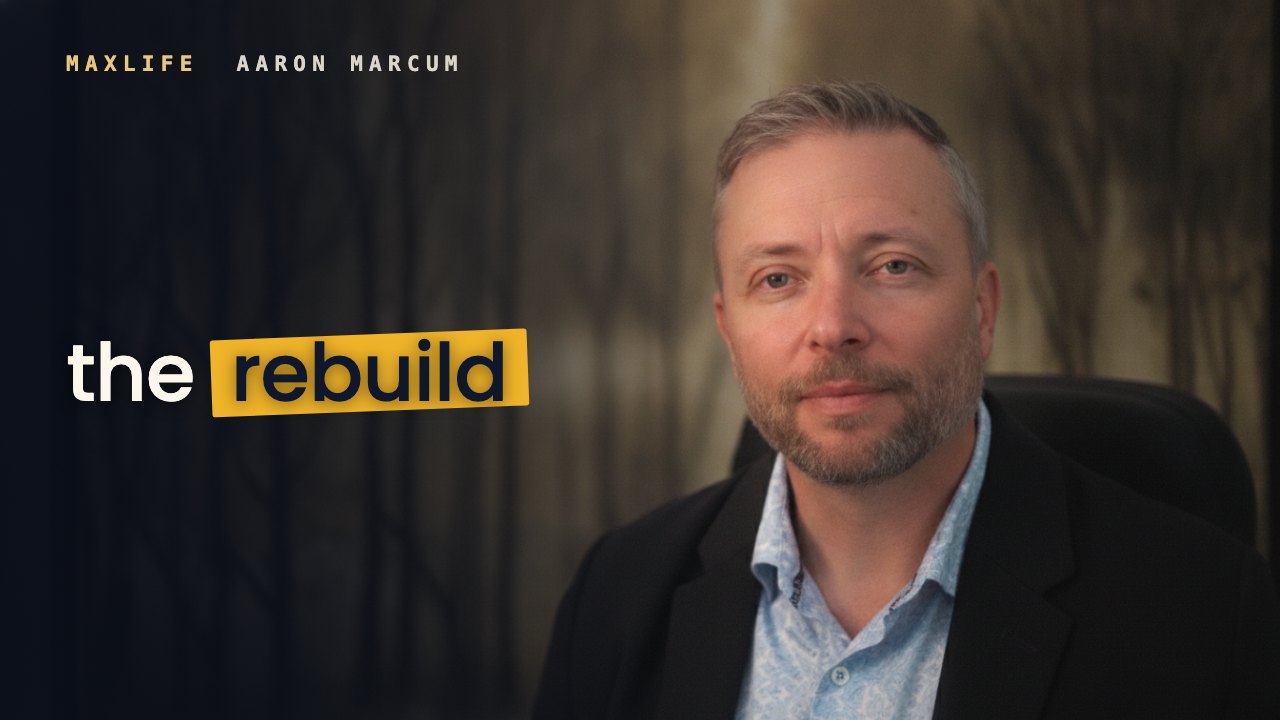
MaxLife Podcast · Episode

He Burned Out Building a 7-Figure Business, Then 10x’d It by Letting Go with Aaron Marcum

Aaron Marcum built an industry-shaping company, burned out halfway through, and then 10x'd his exit payout by doing less, trusting more, and finally telling himself the truth. This is what that actually looked like.

With Aaron Marcum1h 55mBurnout · Leadership · Entrepreneur Mindset
The short version

Burnout isn't about hours worked, it's about the energy you're getting from what you're doing. Aaron Marcum built a data analytics company that reshaped the home care industry, but by 2016 he was 30 pounds overweight, emotionally absent from his family, and addicted to control. The shift that produced a 10x exit payout wasn't a harder hustle, it was surrendering obsessive passion for harmonious passion, giving trust before it was earned, and creating daily space for reflection. He calls the core trap the 'lie of the either/or': the belief that you have to choose between thriving personally and thriving professionally. You don't. But you have to stop waiting until later to find out.

Key moments
What you'll take away

9 ideas from this conversation

01

Burnout is an energy problem

Aaron's definition cuts through the noise: 'Burnout isn't about how many hours you work. It's about the energy you're getting from what you're doing.' Audit your calendar for energy drains before you audit your schedule.

02

The either/or lie costs you both

Believing you have to choose between personal and professional thriving is the trap. Aaron chose professional for years and nearly lost both, the business and the family.

03

Obsessive passion kills the 10x

Obsessive passion means growth at any personal cost. Harmonious passion means your work and your life pull in the same direction. The hockey-stick growth came after the switch, not before.

04

Give trust before it's earned

'If you wait for people to earn your trust, you're going to lose out on a lot of opportunities.' Aaron handed his director of operations every password in week one, and the business accelerated.

05

Guiding truths anchor decisions

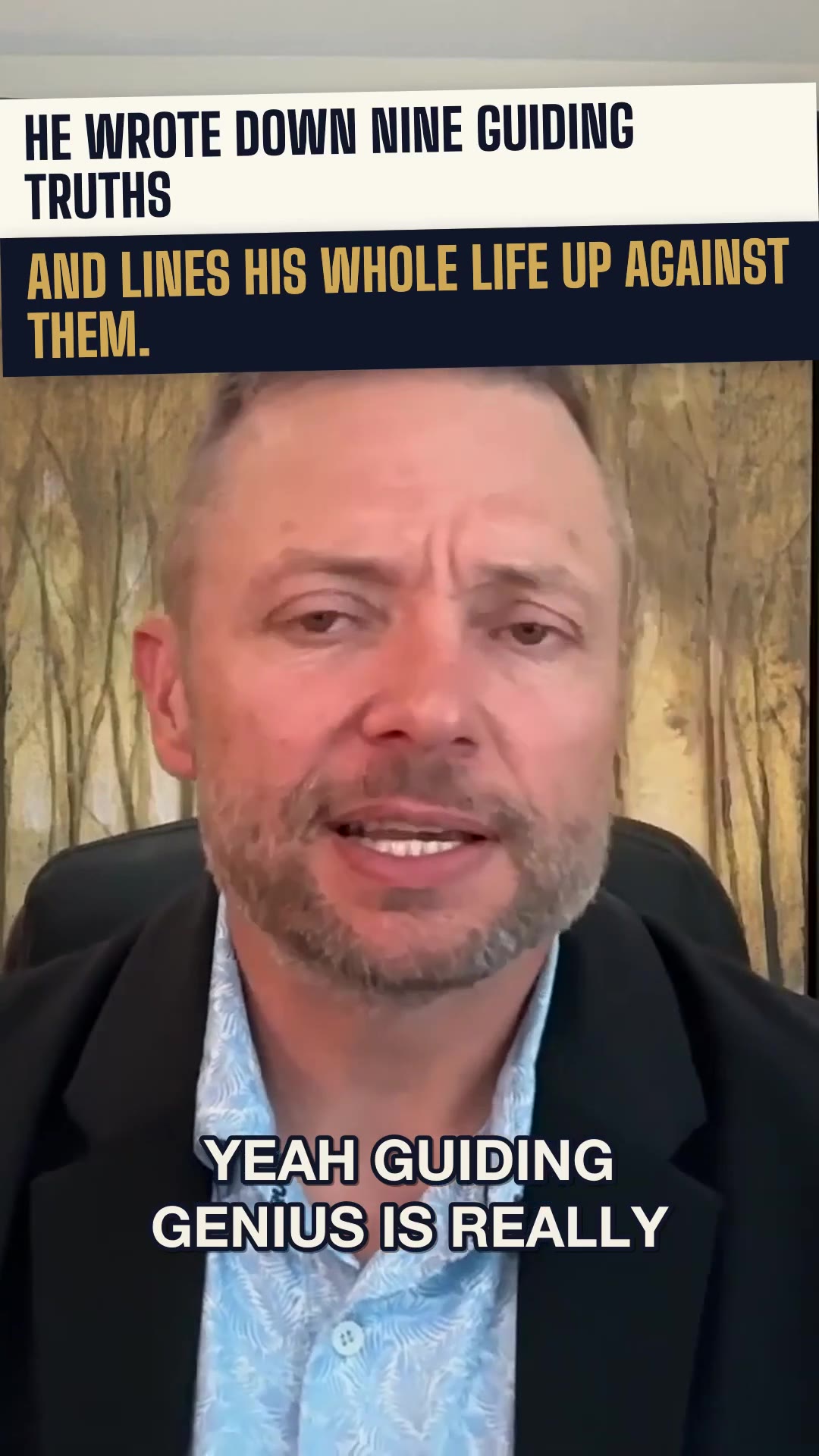
Aaron's nine guiding truths, including 'my mind is at peace,' 'my family receives my time,' and 'my ventures create freedom', act as a pre- and post-mortem filter for every major call he makes.

06

Self-awareness is a practice, not a trait

In 2016, self-awareness was Aaron's single word for the year. He built it through daily deep thrive sessions: journaling, reflection, and tackling one thing at a time, not a packed calendar.

07

Vulnerability is the confidence source

Ben and Aaron both landed on the same truth: surrendering the iron mask and leading with imperfection is where real confidence comes from, not from projecting certainty.

08

Creativity is a core human need

Aaron's capstone research found that aspiring entrepreneurs quit when they lose autonomy and creativity. Protecting your creative time isn't a luxury, it's the engine of your guiding genius.

09

Start with the crawl

The 10x didn't start with a grand strategy. It started with one word, one habit, one dinner with phones off the table. 'If you can't fly then run, if you can't run then walk, if you can't walk then crawl, but keep moving forward.'

Full show notes

#18: He Burned Out Building a 7-Figure Business, Then 10x’d It by Letting Go with Aaron Marcum

Entrepreneur burnout recovery: what Aaron's breakdown actually looked like

By 2015, Aaron Marcum had built Home Care Pulse into a company widely regarded as the JD Power of the home care industry. He was speaking across the country, raising a family of six, and growing fast. He was also 30 pounds overweight, emotionally absent at the dinner table, and running on what positive psychology calls obsessive passion, growth at any personal cost.

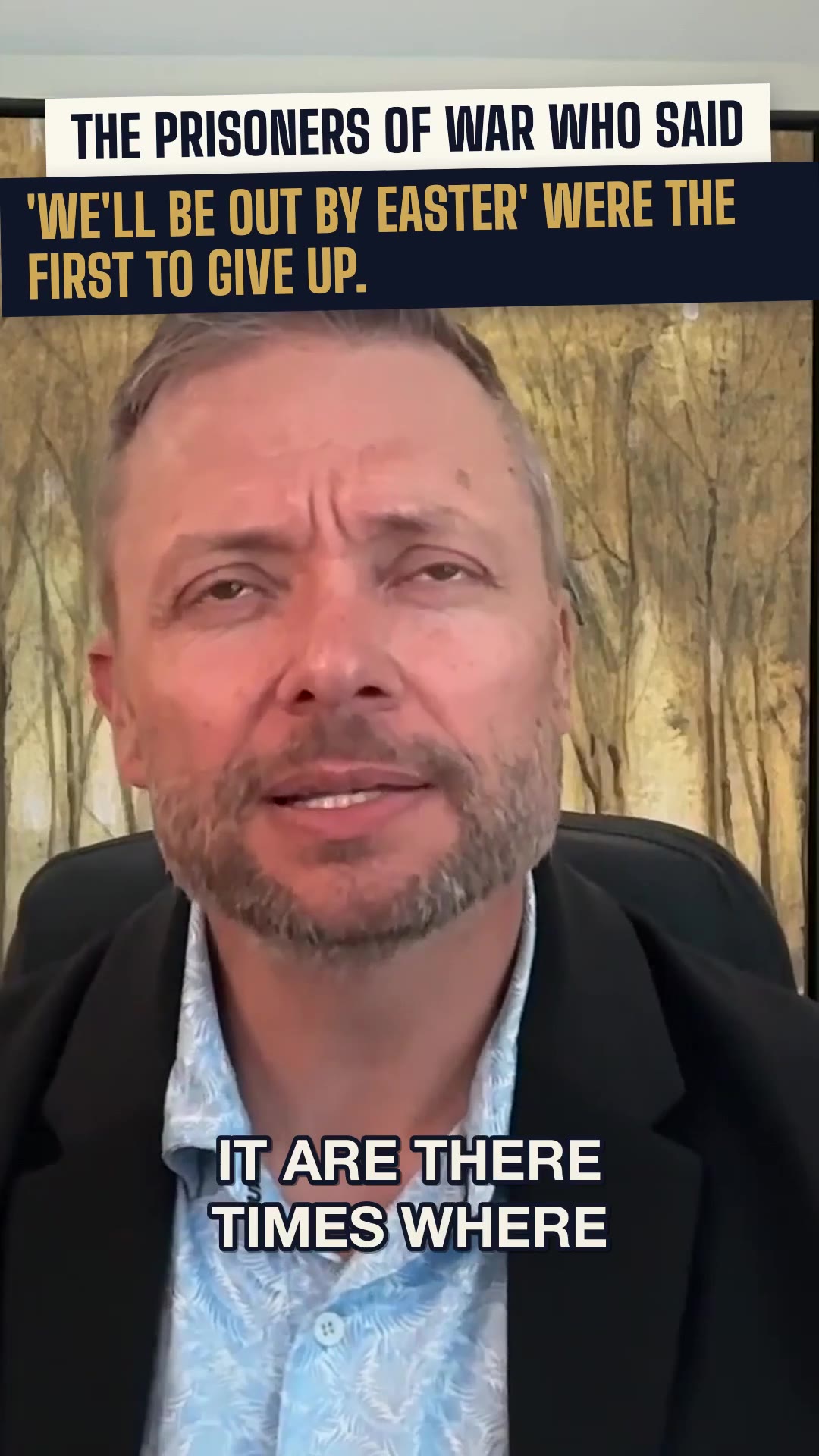
A mentor named Dale pulled him aside and said, bluntly, that he looked terrible. His wife Heather was having late-night conversations with him that ended in tears. His daughter, maybe eight or nine years old, looked up mid-sentence and asked, "Dad, do I need to repeat that to you?" That line still gets him.

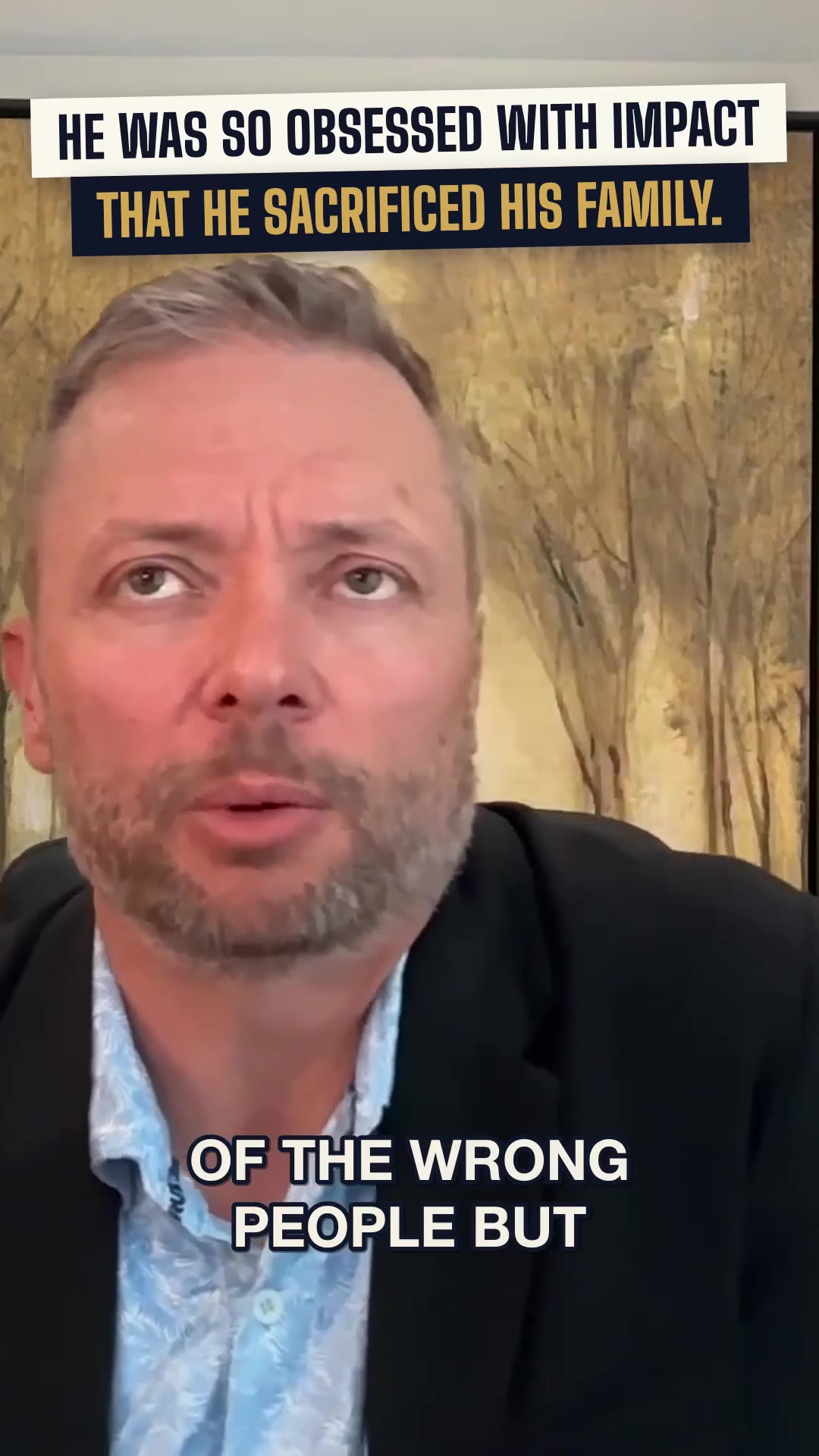
"I was so obsessed with impact," Aaron says, "but I sacrificed my family." The entrepreneur burnout recovery he went through between 2016 and his 2020 exit wasn't a weekend retreat. It was a slow, deliberate rebuild of how he led, how he trusted, and how he spent his time.

The lie of the either/or: why entrepreneurs choose wrong every time

Aaron calls it the lie of the either/or, the belief that you have to pick between thriving personally and thriving professionally. "I was living this lie," he says. "I didn't think I could do both, so I chose professional." And 99% of the time, he points out, entrepreneurs make that same choice, telling themselves they'll deal with the personal side once the business is stable enough.

It's a tractor beam. The logic feels airtight: more effort now means more freedom later. But Aaron's research and lived experience both point to the same conclusion, later never comes unless you build it now. The business doesn't create the personal life. The personal life has to be built in parallel, or the business eventually hollows out too.

This is the core of his book On to Thrive and the coaching work he does through Breakaway 365. The lie isn't just a mindset problem, it shows up in calendars, in hiring decisions, in the way founders treat their teams as instruments rather than partners.

How to 10x your business by getting out of the way

The 10x exit payout Aaron received wasn't the result of working harder between 2016 and 2020. It was the result of a hockey-stick growth curve that happened because he stopped being the bottleneck. "I got out of the way," he says simply. "I learned how to let and trust my leaders to really take over."

Practically, that meant shifting from obsessive to harmonious passion, losing 25 to 30 pounds, handing real autonomy to his team, and, critically, giving trust before it was earned rather than waiting for people to prove themselves. He also had a strong second-in-command in Eric, his COO, who actively supported Aaron's personal changes and helped hold him accountable to them.

He draws on Dan Sullivan's concept of the four freedoms and the framework from 10x Is Easier Than 2x to explain why the acceleration made sense: when you stop doing the things that drain you and focus only on what gives you energy, the compounding effect is dramatic. "I just accelerated my growth by making these critical changes to me personally, the way I led, the way I communicated, the compassion I gave to my team."

Work-life balance for entrepreneurs: guiding truths over hustle culture

Aaron doesn't use the phrase work-life balance much, and for good reason. Balance implies a static equilibrium. What he describes is closer to alignment: making sure your personal purpose and your professional roles are pulling in the same direction.

His tool for that is what he calls guiding truths, nine statements about who he wants to be, not what he wants to achieve. They include: my mind is at peace, my actions reflect character, my family receives my time, my ventures create freedom, my body is in good health, my life is filled with abundance. He uses them as a pre- and post-mortem filter. Before a big decision: do my options reflect these truths? After: where did I fall short, and why?

He's built an AI tool at breakaway36365.com that walks anyone through nine questions and generates their own guiding truth statement. For entrepreneurs who've never done this kind of inner work, it's a concrete starting point.

Self-determination theory and why your team is more burned out than you think

Aaron leans on self-determination theory, autonomy, relatedness, and competence, to explain why so many entrepreneurial cultures quietly destroy the people inside them. When founders hoard decisions, they strip autonomy. When they treat team members as instruments rather than partners, they break relatedness. When they keep people in roles that don't match their strengths, they undermine competence.

"Entrepreneurs who are holding on to that," Aaron says, "are robbing one of the key core pillars of self-determination in the process of their people." The fix isn't a ping-pong table or a wellness stipend. It's structural: give people the freedom to figure out the how, be genuinely curious about what they want from the business, and stop being the answer to every problem.

He points listeners to viacharacter.org for a free character strengths assessment rooted in Martin Seligman and Chris Peterson's research, 24 strengths mapped to Aristotle's six virtues. His recommendation: identify your top five and build on those before you start fixing the bottom of the list.
Quotable

Lines worth sitting with

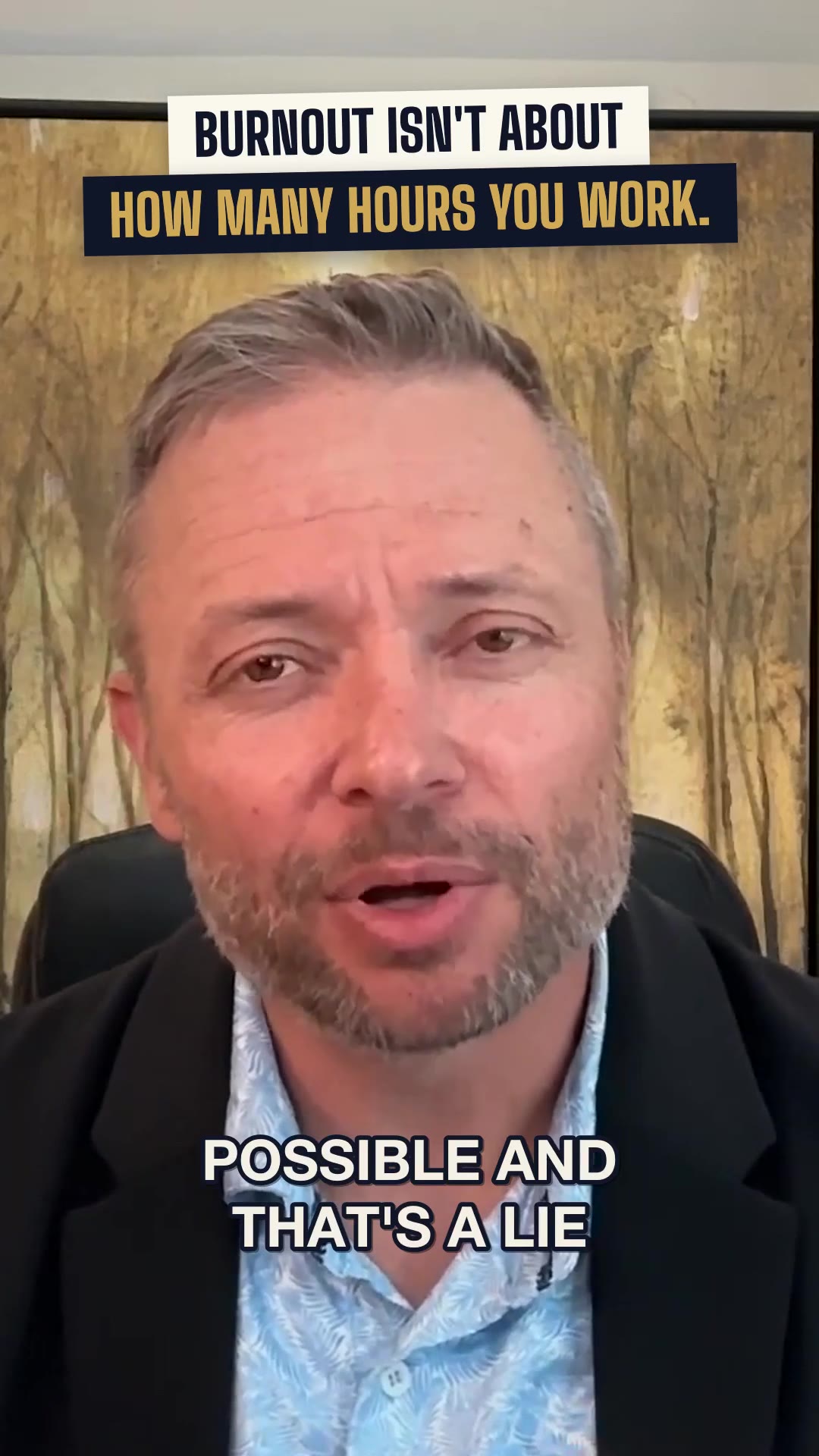
Burnout isn't about how many hours you work. It's about the energy you're getting from what you're doing.
Aaron Marcum
I didn't think I could thrive personally and professionally. I had to choose one, and I chose professional.
Aaron Marcum
My greatest confidence is when I finally surrender to the fact that I am such an incredibly imperfect human.
Ben Laws
Give trust before you earn trust. Because if you wait for people to earn your trust, you're going to lose out on a lot of opportunities.
Aaron Marcum
Free · No. 18 of the series

I know I'm burning out, but I keep telling myself I'll deal with it later
Reflection Worksheet

The episode is 1h 55m. This worksheet is fifteen minutes. The fifteen minutes is the part that changes anything: five questions from this exact conversation, pointed at your business and your life. Answer them on paper while the ideas are still fresh, and they become yours for good.

  • What You Won't Let Go Of
  • The Lie Of Either/Or
  • Drained, Not Just Busy
  • Trust Before It's Earned
  • Two Hours To Hear It
You get this worksheet plus the full 75-worksheet binder, free.
5 prompts, 1 pagePrintable, binder-readyFree, no spam
Open the full worksheet →
Clips · grab & share

Short highlights from the episode

Short clips from this episode are on the way. Watch the full episode while we cut them.
The guest

Meet Aaron Marcum

Aaron Marcum on the MaxLife Podcast

Aaron Marcum

Entrepreneur, author of On to Thrive, founder of Breakaway 365

Aaron Marcum started his first company in 2002, built and exited multiple businesses including Home Care Pulse, a data analytics firm considered the JD Power of the home care industry, and holds a master's in applied positive psychology from the Penn program founded by Martin Seligman. He now coaches entrepreneurs on guiding genius, harmonious leadership, and building cultures that produce outsized exits. He lives with his wife Heather and their six kids.

Questions, answered

Questions & answers

What is entrepreneur burnout recovery and how long does it take?
Entrepreneur burnout recovery is the process of identifying what's draining your energy, rebuilding personal habits and leadership behaviors, and realigning your work with your actual values. Aaron's recovery took roughly four years, from 2016 to his 2020 exit, and involved losing 30 pounds, overhauling how he trusted his team, and creating daily reflection time. It's not a weekend fix; it's a compounding flywheel that starts with one small, honest change.
How do you balance work and personal life as an entrepreneur?
Aaron argues that 'balance' is the wrong frame, the real goal is alignment between your personal purpose and your professional roles. He uses guiding truths (short statements about who you want to be) as a daily filter for decisions. The practical starting point is protecting time for reflection and identifying which parts of your work give you energy versus drain it, then systematically offloading the drains.
What is the difference between obsessive passion and harmonious passion?
Obsessive passion means pursuing your business goals at any personal cost, health, family, presence. Harmonious passion means your work and your life reinforce each other rather than compete. Aaron experienced obsessive passion through most of his first decade as a founder and credits the shift to harmonious passion as the direct cause of his hockey-stick growth between 2016 and 2020.
How do you 10x a business without working more hours?
Aaron's 10x came from getting out of the way: delegating real authority, giving trust before it was earned, focusing only on the work that gave him energy, and investing in his own health and leadership. He draws on Dan Sullivan's framework and the book 10x Is Easier Than 2x to explain why narrowing your focus, rather than expanding your effort, produces exponential results.
What is positive psychology and how does it apply to entrepreneurs?
Positive psychology is the proactive side of psychology, studying why some people thrive rather than waiting for a problem to treat. Founded by Martin Seligman, Mihaly Csikszentmihalyi, and Chris Peterson, it's been around about 30 years. For entrepreneurs, Aaron applies it through tools like character strengths assessments, guiding truths, and the concept of harmonious versus obsessive passion.
What are guiding truths and how do I create mine?
Guiding truths are short, present-tense statements about who you want to be, not goals, but identity anchors. Aaron's include 'my mind is at peace,' 'my family receives my time,' and 'my ventures create freedom.' You can generate your own through the free AI tool at breakaway36365.com, which asks nine questions and produces a personalized guiding truth statement.
Share kit

Help spread this episode

Ready-to-post copy for guests and fans. Grab a caption, pick a clip above, and link this page.

Copy any of these word-for-word, or make them your own. They tag the show so it shows up when you post.

Social caption — long
Aaron Marcum built a 7-figure data analytics company that reshaped an entire industry, and burned out doing it. He was 30 pounds overweight, emotionally absent from his six kids, and addicted to control. Then he made a few hard, honest changes. By the time he exited in 2020, his payout was 10x what it would have been. In this episode of the MaxLife Podcast, Aaron breaks down the lie of the either/or, what obsessive passion actually costs you, and the exact mindset shifts that produced the hockey-stick growth. If you're building something and quietly sacrificing everything else to do it, this one's for you. Full episode, chapters, and free reflection worksheet at https://maxlifecoach.com/episodes/he-burned-out-building-a-7-figure-business-then-10xd, @MaxLifeBenLaws
Social caption — short / quote
He burned out. Then 10x'd his exit. Aaron Marcum on the lie entrepreneurs tell themselves and the mindset shift that changed everything. Full episode at https://maxlifecoach.com/episodes/he-burned-out-building-a-7-figure-business-then-10xd, @MaxLifeBenLaws
Email — share with your audience
Subject: This episode hit me harder than I expected

Hey,

I just listened to Aaron Marcum on the MaxLife Podcast and I had to send this to you.

Aaron built a 7-figure company, burned out halfway through, and then 10x'd his exit payout, not by working harder, but by letting go of control, giving trust before it was earned, and finally being honest about what his obsession was costing his family.

He calls it the lie of the either/or: the belief that you have to choose between thriving personally and professionally. Most of us pick professional and tell ourselves we'll deal with the rest later. He did too. And he nearly lost both.

There's a free reflection worksheet on the episode page if you want to actually sit with it.

https://maxlifecoach.com/episodes/he-burned-out-building-a-7-figure-business-then-10xd

Thought of you immediately.
Copied