MaxLife Podcast · Episode

The Hidden Patterns Blocking Your Growth (And How to Find Them) with Patrick Walker

Blind spots aren't character flaws, they're signals pointing straight at your next level. Patrick Walker breaks down why the patterns you can't see are the ones running your life, and what it actually takes to find them.

With Patrick Walker1h 30mBlind Spots · Identity · Leadership
The short version

Blind spots aren't signs you're broken, they're the edges where your real growth lives. Executive coach Patrick Walker explains that rigid identity is what makes behavioral change so hard, and that loosening your sense of self, through feedback, altered states, tribe, or life's forced disruptions, is what lets you finally move. Whether it's a near-death experience, an Ayahuasca retreat, a breathwork session, or simply a trusted peer who tells you the truth, the mechanism matters less than the willingness to receive it. The leaders who stall aren't lacking talent; they're avoiding the discomfort that comes right before the upgrade. Preparation, honest intention, and integration after any growth experience are what turn insight into lasting change.

Key moments
What you'll take away

9 ideas from this conversation

01

Blind spots are growth signals

Assuming you always have blind spots, and getting curious rather than defensive about them, is the starting point for any real development. They're not flaws; they're the edges where the next version of you is waiting.

02

Rigid identity blocks change

When your sense of self is too calcified, behavioral change is genuinely hard. A more open, spacious identity lets you grow into the next version without losing what already works.

03

Good feedback is an art

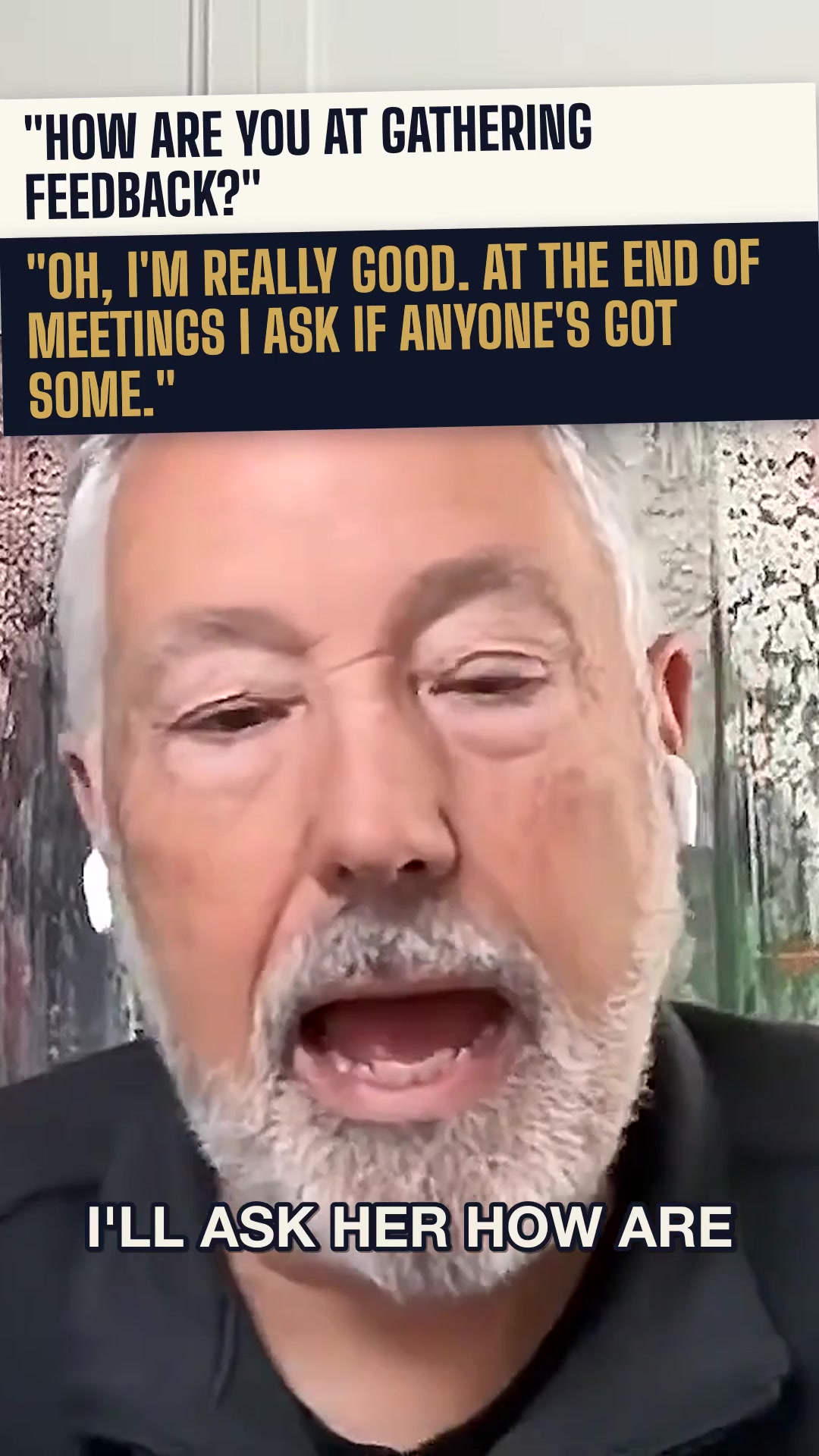
Asking 'any feedback?' at the end of a meeting isn't enough. Real feedback requires psychological safety, the right timing, and a leader whose self-worth is solid enough to actually hear it.

04

Altered states accelerate growth

Near-death experiences, breathwork, plant medicine, and deep meditation all share one thing: they shift your state in ways that loosen identity and make long-stuck patterns movable. The mechanism matters less than the willingness to use it.

05

Preparation and integration are non-negotiable

Any growth experience, coaching, psychedelics, breathwork, only sticks when you do the work before and after. The experience opens the door; integration is how you walk through it.

06

Death is a useful advisor

Keeping the awareness of your mortality close, as the Toltec tradition suggests, pulls you out of the endless to-do list and back into what actually matters. You don't have to wait for a crisis to access that clarity.

07

Tribe shapes your state and identity

The people around you are constantly calibrating your sense of what's possible. Multiple overlapping tribes, musical, entrepreneurial, personal, compound over decades in ways you'll never fully trace.

08

Regret is almost always about neglect

Hundreds of end-of-life conversations on Alaskan cruises told Patrick the same story: the unhappy ones had let go of friendships, marriages, and passions they loved. The happy ones measured wealth in experience, not money.

09

You're a leader to yourself first

Translate, modulate, and gather honest feedback, not just as a skill for managing a team, but as a practice for managing your own growth. The number one person you lead is yourself.

Full show notes

The Hidden Patterns Blocking Your Growth (And How to Find Them) with Patrick Walker

Why blind spots are your most valuable growth signal

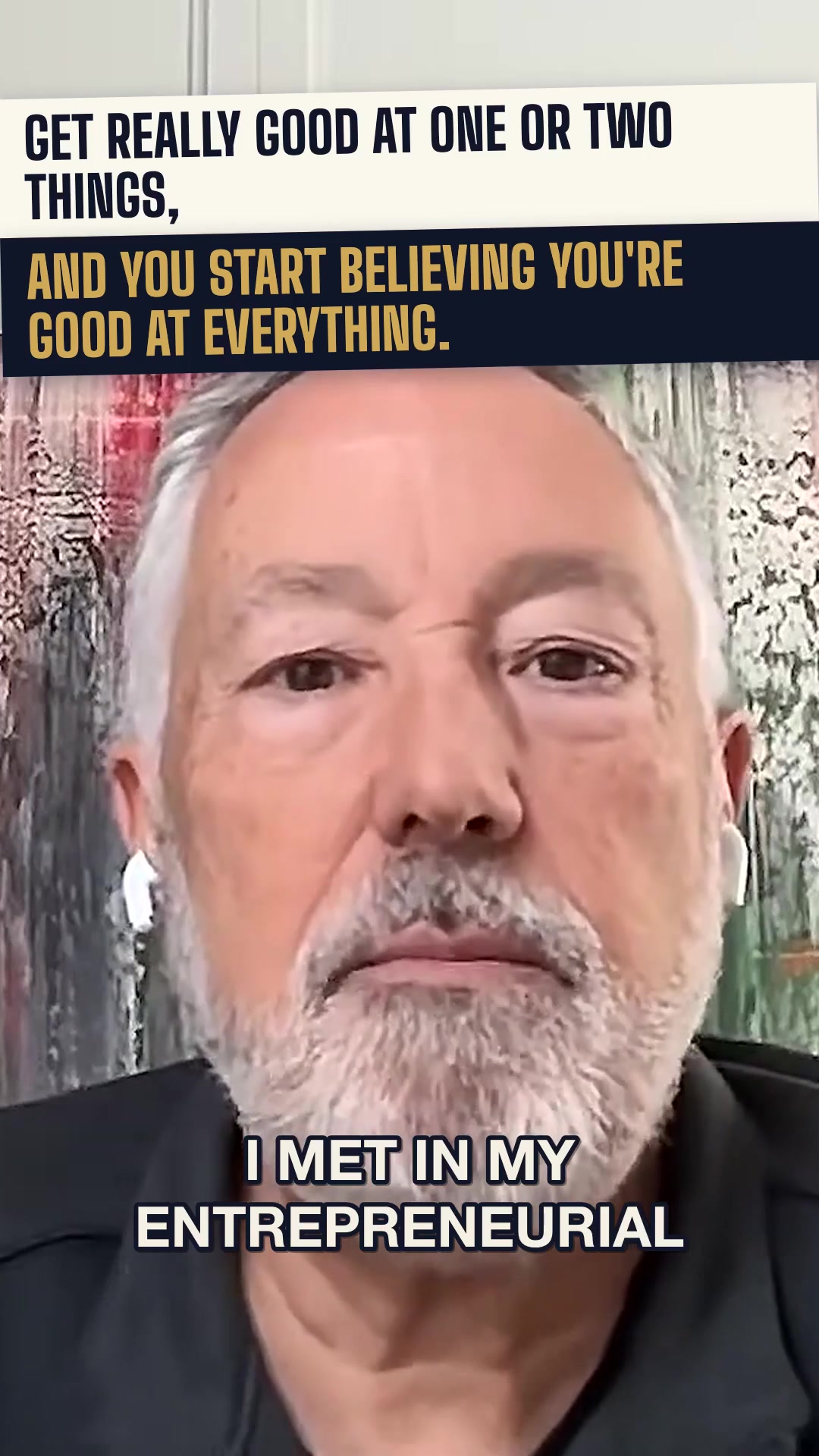
Most leaders treat blind spots as something to be embarrassed about, a gap that proves they're not as sharp as they thought. Patrick Walker flips that completely. "We all have them," he says, "and it's great to soften up around that topic and just assume we always have them and get really curious about them." The problem isn't having blind spots. The problem is the rigidity that keeps you from finding them. Patrick has spent decades coaching senior executives and entrepreneurs, and the pattern he sees most often is people who got really good at one or two things and generalized that into thinking they were good at everything. Blind spots don't announce themselves. They need close friends, trusted peers, or a skilled coach to bring them into the light, and they need a leader whose identity is secure enough to actually look.

How rigid identity blocks behavioral change

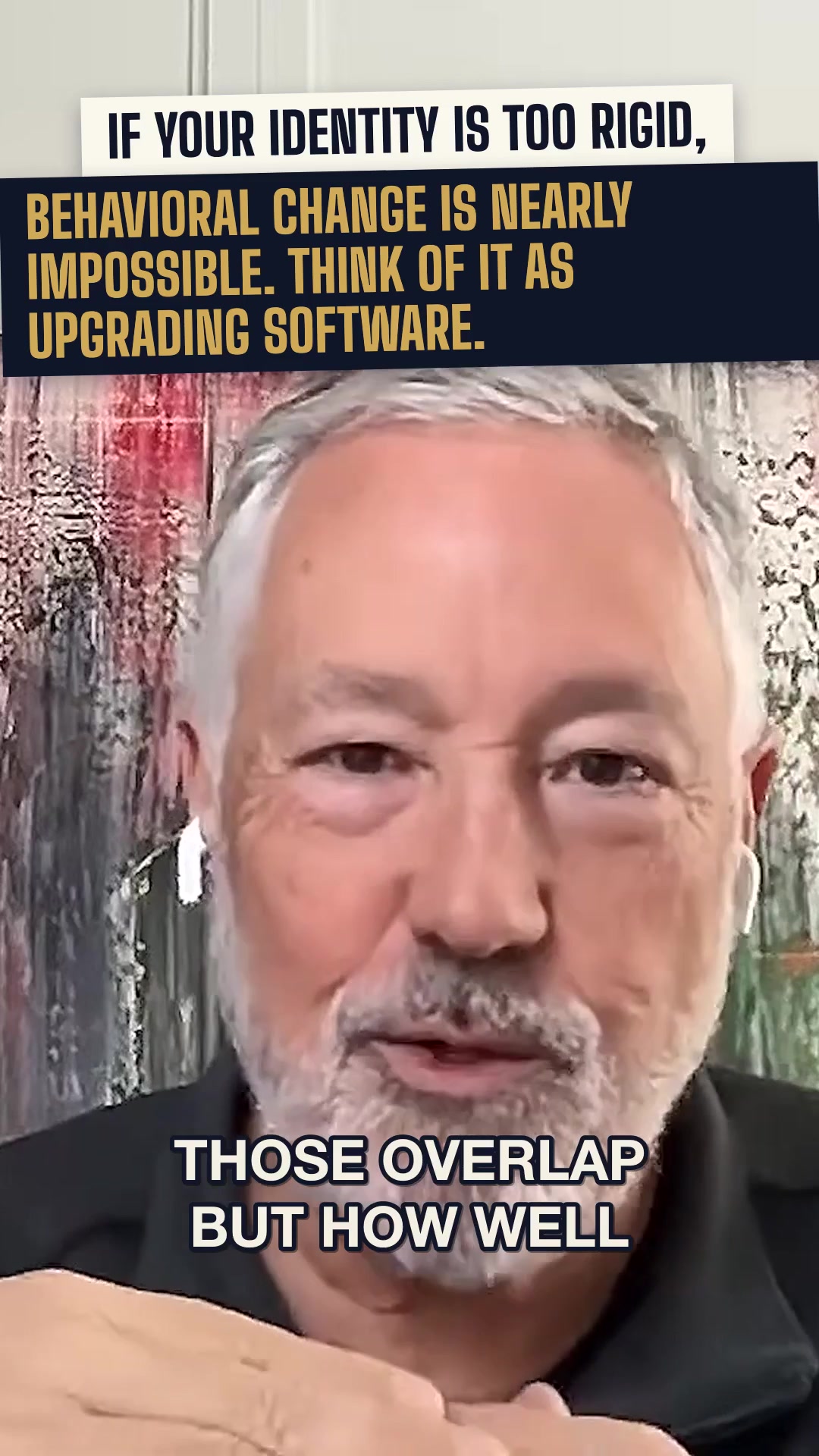
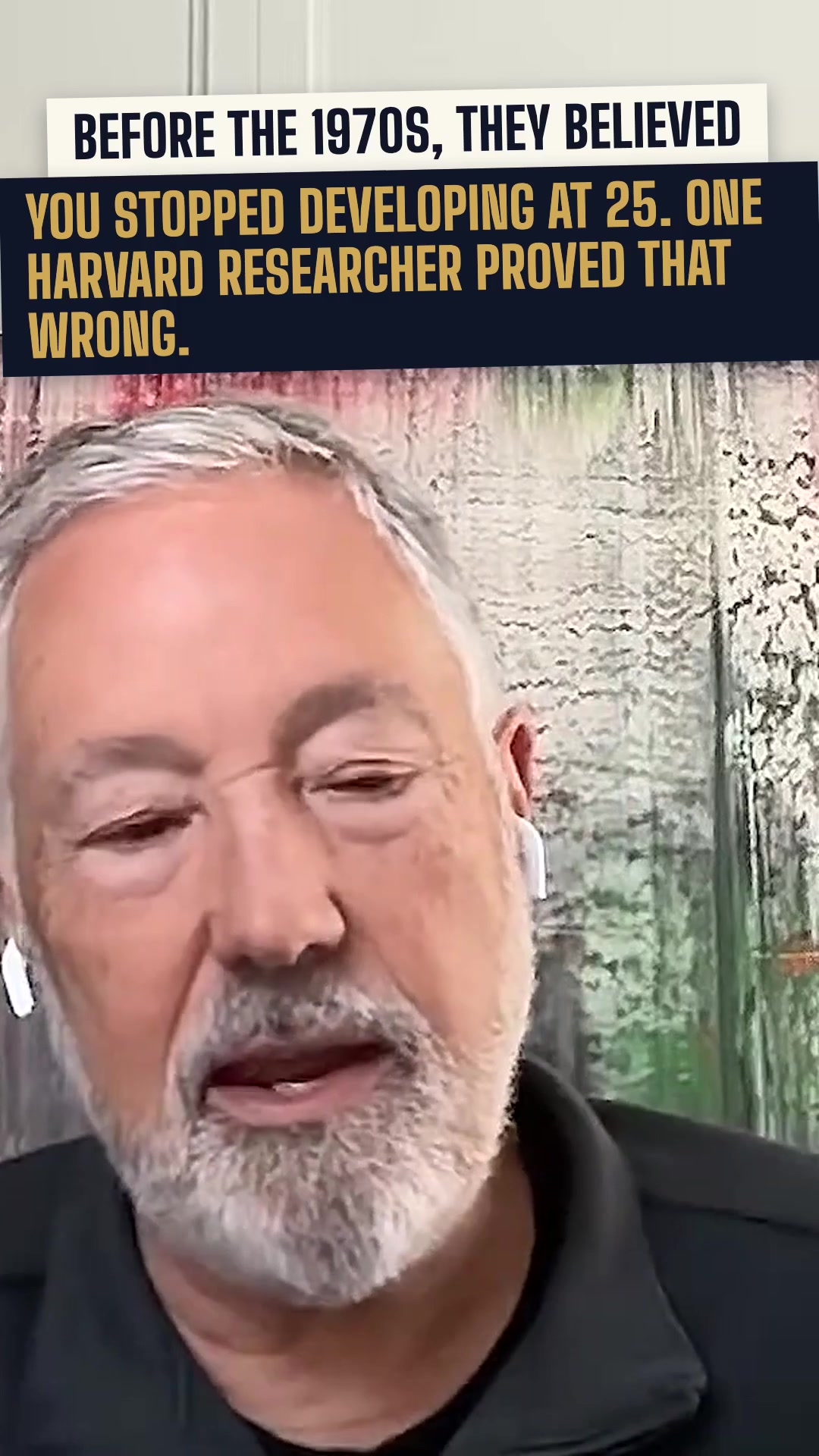
Patrick draws on vertical stage development, pioneered by Harvard's Robert Keegan, to explain why some leaders can't seem to change no matter how hard they try. The short version: if your sense of identity is too calcified, there's no room for the next version of you to take shape. "If our sense of identity becomes more spacious and open," Patrick explains, "I think we have an easier time living into the next version." Think of it as upgrading your internal software. You want to keep all the features of version 5.0 while building toward 6.0, and that only works if your identity is loose enough to hold both at once. Integral theory, Ken Wilber's broader framework, gives a map for how this development continues across an entire lifetime, not just through childhood.

What it really takes to get honest feedback

Asking "any feedback?" at the end of a meeting is a start, Patrick says, but it's nowhere near sufficient. Some people in that room will never give you honest feedback in a group setting. Getting the real stuff requires the right time, the right place, the right language for that specific person, and a foundation of genuine psychological safety. "Your sense of your own self has to be that you're fine the way you are and you're a work in progress," he says, so that constructive feedback about a blind spot lands as useful information rather than a threat. Patrick has spent three to six months of a single coaching engagement just getting one leader genuinely good at bidirectional feedback, and says the dividends are enormous.

Altered states, plant medicine, and identity shifts

Some of the most direct routes to loosening a rigid identity aren't found in a boardroom. Patrick describes his experience at an Ayahuasca retreat, vetted carefully for safety, staffed with medical personnel, rooted in a thousand-year-old indigenous tradition, as producing "an otherworldly mystical experience that shifted my identity in a way I will be grateful for for the rest of my life." His wife Jeie, who lost her son Aaron to suicide, went from deep skepticism to attending her own retreat, where she described a vivid hour-long conversation with Aaron that gave her "10 years of therapy in one evening." Patrick is careful to note that psychedelics aren't for everyone, and that breathwork, he specifically names Finnian Kelly's sessions, can produce states every bit as intense. The point isn't the modality. It's that altered states, used intentionally with preparation and integration, can move identity in ways that years of ordinary effort sometimes can't.

The Alaska cruise and what people regret at the end of their lives

In his early 20s, Patrick spent a season playing music on Princess Cruises' Alaska routes, ships full of passengers who, as the crew put it, had come to see Alaska before they died. Over three months he had hundreds of conversations with people in the last chapter of their lives. "Two-thirds of the time, maybe close to that, they were deep regrets and often tears," he recalls. Lost friendships. Blown marriages. Passions abandoned. The people who were genuinely happy defined wealth in experience, not money. They'd had wild rides and didn't regret a moment of it. That season shaped everything that came after for Patrick, and it underscores the same truth that blind spots, death awareness, and altered states all point toward: most people wait until the end to wake up to what actually matters.

Tribe, translate, modulate, and the leader you are to yourself

Patrick's parents defined success largely by the quality of your friendships, and he's carried that forward through multiple overlapping tribes, musical, entrepreneurial, personal, some spanning 40 or 50 years. "I don't know what I would have done without that," he says simply. For leaders, he offers a three-part framework: translate (meet your people where they are rather than expecting them to rise to you), modulate (manage your own energy, lean in to talk, lean back to listen), and feedback (build the conditions for honest, bidirectional input as a sustained practice). And underneath all of it is the reminder that the number one person you lead is yourself. Find what wakes you up. Do the preparation. Do the integration. And keep going.
Quotable

Lines worth sitting with

In these experiences, you have a sense that there is an intelligence of this plant on the other side and the conversation can feel as real as the conversation you and I are having.
Patrick Walker
If our sense of identity becomes more spacious and open, I think we have an easier time living into the next version.
Patrick Walker
Two-thirds of the time, maybe close to that, they were deep regrets and often tears, they had lost touch with their friends, they had blown their marriage, they had loved music or painting or sports and had let it go.
Patrick Walker
Benny really was my Powerball ticket. He lived more in those 16 days than I had in 41, 42 years of living.
Ben Laws
Free · No. 54 of the series

I know something's in the way
Reflection Worksheet

The episode is 1h 30m. This worksheet is fifteen minutes. The fifteen minutes is the part that changes anything: five questions from this exact conversation, pointed at your business and your life. Answer them on paper while the ideas are still fresh, and they become yours for good.

  • The Wall You Keep Hitting
  • The Thing You Can't See
  • The Fact That's Just a Habit
  • Loosen Your Grip
  • Ask The One Person
You get this worksheet plus the full 75-worksheet binder, free.
5 prompts, 1 pagePrintable, binder-readyFree, no spam
Open the full worksheet →
Clips · grab & share

Short highlights from the episode

Short clips from this episode are on the way. Watch the full episode while we cut them.
The guest

Meet Patrick Walker

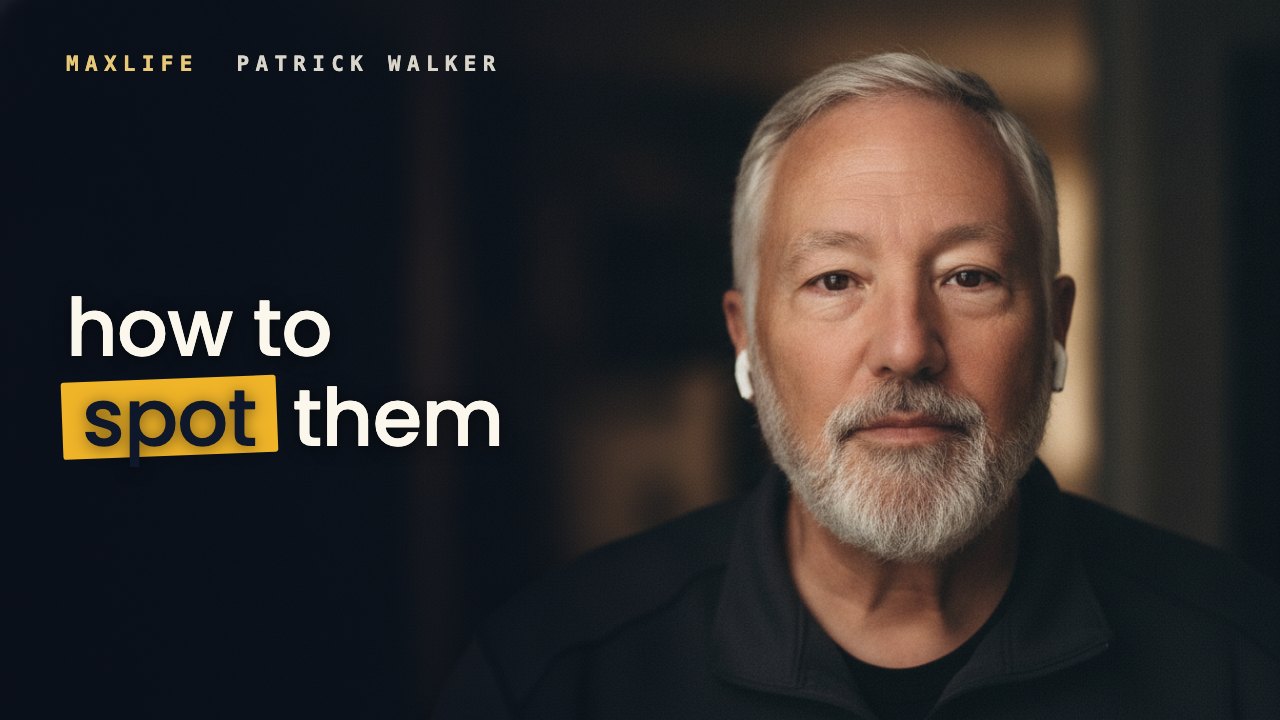
Patrick Walker on the MaxLife Podcast

Patrick Walker

Entrepreneur, executive coach, and strategic consultant

Patrick Walker is an accomplished entrepreneur and executive coach who works through the Telos Institute, where vertical stage development sits at the center of the coaching model. He has spent decades studying integral theory, world religions, and the psychology of identity, and brings that depth into multi-year coaching engagements with senior leaders. Patrick is also a musician, a lifelong student of altered states and personal growth, and a guide whose work is shaped as much by lived experience as by framework.

Questions, answered

Questions & answers

What are blind spots in leadership and why do they matter?
Blind spots are the patterns, behaviors, and beliefs you can't see in yourself, often because your identity is too tied to them to notice. They matter because they're the primary reason capable leaders plateau. Patrick Walker argues that assuming you always have blind spots, and staying curious about them rather than defensive, is the foundation of any real growth.
How do you identify your own blind spots?
You mostly can't, at least not alone. Patrick recommends building the conditions for honest feedback: psychological safety, the right setting, and a self-concept secure enough to actually hear hard things. Journaling, trusted peers, a skilled coach, and even well-prompted AI tools can all help surface what you can't see on your own.
What is vertical stage development and how does it apply to leaders?
Vertical stage development, pioneered by Harvard's Robert Keegan, maps how adults can keep developing their capacity to handle complexity across an entire lifetime, not just through childhood. Patrick uses it in his coaching to help leaders understand which ruts they're stuck in and what a healthier, more expansive version of their current stage actually looks like.
Can altered states like breathwork or plant medicine help with personal growth?
Patrick's experience, and that of roughly 60 people he's observed, suggests they can be among the most effective tools available for loosening rigid identity and moving long-stuck patterns. The key is intentional preparation, a safe and vetted setting, and serious integration work afterward. He's equally enthusiastic about breathwork as a non-substance alternative that can produce comparably intense state shifts.
How do you build a tribe that actually supports your growth?
Patrick points to multiple overlapping tribes, personal, professional, creative, as compounding over decades in ways you can't fully predict. The starting point is valuing relationships as a core measure of success, not a nice-to-have. For clients who lack strong tribes, he treats finding and building one as a coaching priority, not a side note.
What do people most commonly regret at the end of their lives?
Based on hundreds of conversations Patrick had with elderly passengers on Alaskan cruises, the most common regrets were letting friendships lapse, neglecting marriages, and abandoning passions they loved. The people who were genuinely happy at the end defined wealth in terms of experience and connection, not money or status.
Share kit

Help spread this episode

Ready-to-post copy for guests and fans. Grab a caption, pick a clip above, and link this page.

Copy any of these word-for-word, or make them your own. They tag the show so it shows up when you post.

Social caption — long
This conversation with executive coach Patrick Walker on The Max Life Podcast with @MaxLifeBenLaws is one of those episodes that stays with you. Patrick breaks down why the patterns blocking your growth are almost always the ones you can't see, and why that's actually good news. We go deep on identity, blind spots, altered states, grief, near-death experiences, and what hundreds of end-of-life conversations taught him about what actually matters. If you've ever felt stuck in a way you couldn't quite name, this one's for you. Full episode, show notes, and a free reflection worksheet at https://maxlifecoach.com/episodes/the-hidden-patterns-blocking-your-growth-and-how
Social caption — short / quote
You can't grow what you won't face. @MaxLifeBenLaws and Patrick Walker on the hidden patterns blocking your growth, and how to finally find them. Full episode at https://maxlifecoach.com/episodes/the-hidden-patterns-blocking-your-growth-and-how #MaxLife @MaxLifeBenLaws
Email — share with your audience
Subject: Episode worth your time, The Hidden Patterns Blocking Your Growth

Hey,

Thought of you when I listened to this one. Ben Laws sat down with executive coach Patrick Walker and they went places I didn't expect, blind spots, identity, near-death experiences, plant medicine, and what people at the end of their lives actually regret.

Patrick has a way of making the uncomfortable stuff feel approachable. The bit about rigid identity blocking behavioral change alone is worth the listen.

Full episode + show notes + a reflection worksheet here: https://maxlifecoach.com/episodes/the-hidden-patterns-blocking-your-growth-and-how

Think you'll get something out of it.
Copied