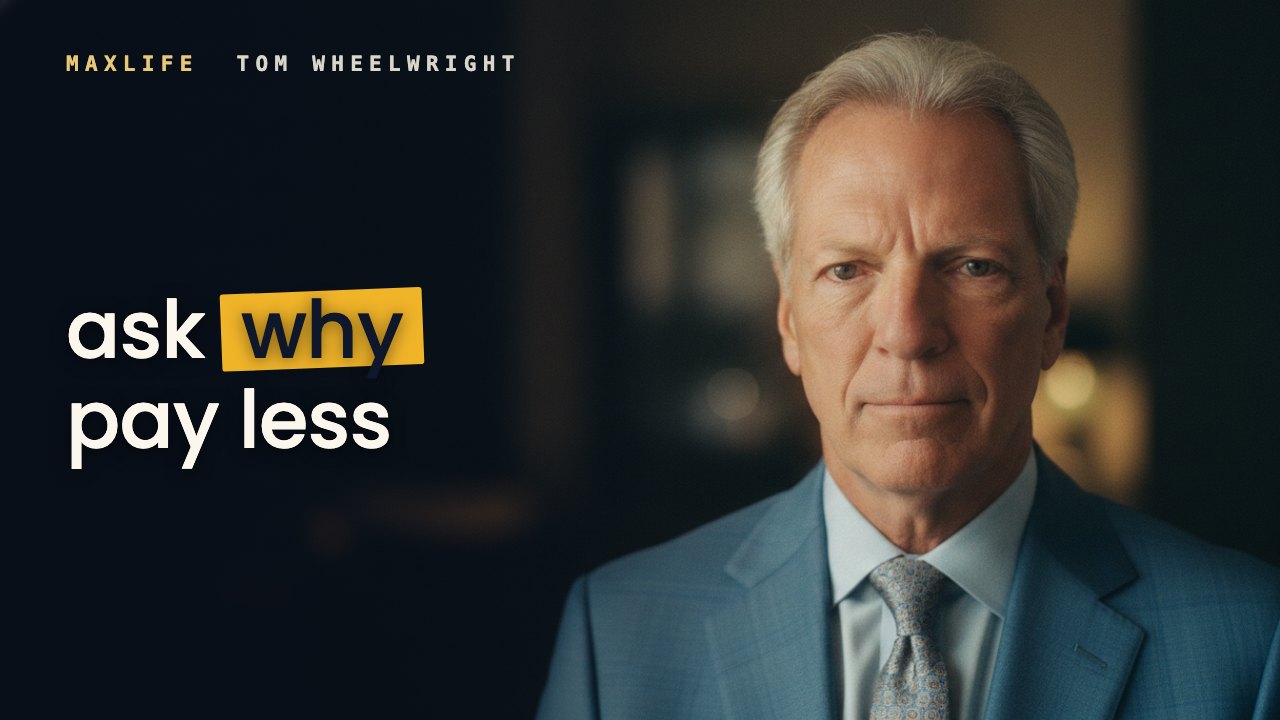
Tax-Free Wealth by Tom Wheelwright: the idea behind the book
Tom Wheelwright didn't set out to write a bestseller. He set out to solve a problem he'd watched up close during his years in the national tax office at Ernst & Young: entrepreneurs were being badly served. The big firms had moved upmarket, the mid-tier firms offered a wide menu of mediocre advice, and the entrepreneur in the middle was left paying a third to half of their income in taxes without anyone explaining why, or how to change it. Tax-Free Wealth was his answer. "If you want to change your tax, you have to change your facts," Tom says. The book explains not just what to do, but why the law works the way it does, so that readers can apply the logic to situations no checklist could anticipate.
Why asking why is the real tax strategy
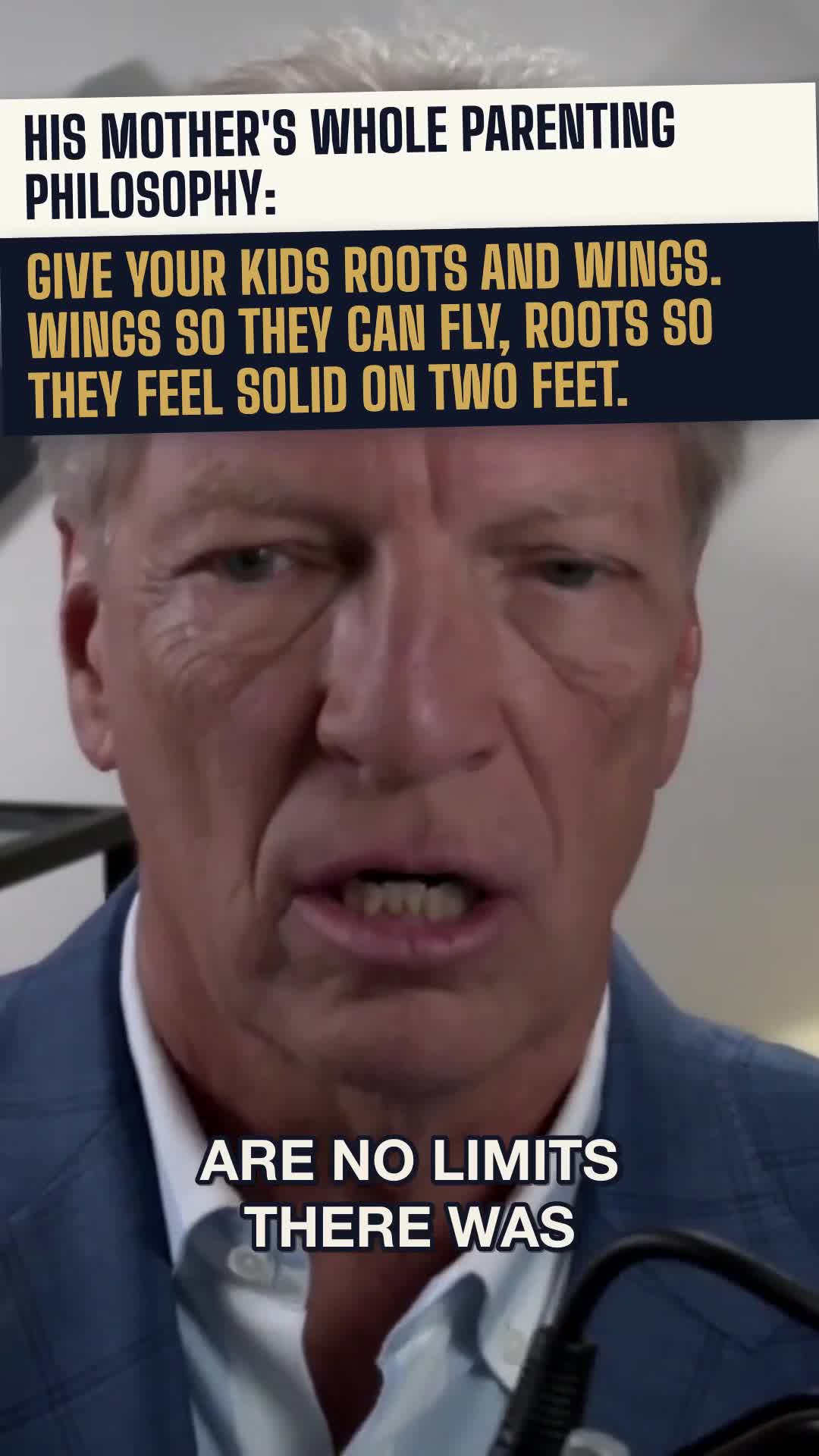
Tom traces his obsession with the question "why" back to his mother, a woman who graduated from high school at 15 and college at 18 and raised her children with the conviction that there were always at least 50,000 solutions to any problem. "I was always that kid that asked the extra question," Tom says. "Okay, but why?" That habit carried directly into his tax practice. When a client brings him something they saw on the internet, a trust structure, a claimed loophole, his first move is to ask why anyone would think that works. Nine times out of ten, the answer reveals that the person promoting it never understood the purpose of the underlying code section. Understanding the why, Tom argues, is what separates a tax strategy that holds up from one that collapses under scrutiny.
How Tom Wheelwright became Robert Kiyosaki's CPA
The story involves a bad partnership, a postcard in the mail, and a decision to play offense instead of defense. After a partner blew up at Tom over a contingent fee check, never once asking why Tom had taken it out, Tom dissolved the partnership on the spot. Rather than cut staff, he and his new partner chose to grow. A postcard advertising accounting firms for sale led him to a practice whose owner told him, before any deal was signed, that he had to read Rich Dad Poor Dad first. The next day, a friend emailed to say he'd just become CFO of the Rich Dad Company. "Everything lucky in my life came from people," Tom says. "People followed by action." He eventually earned Kiyosaki's full trust by taking a multi-million-dollar IRS assessment down to $56,000, and then recovering that the following year.
The three questions every entrepreneur should be asking
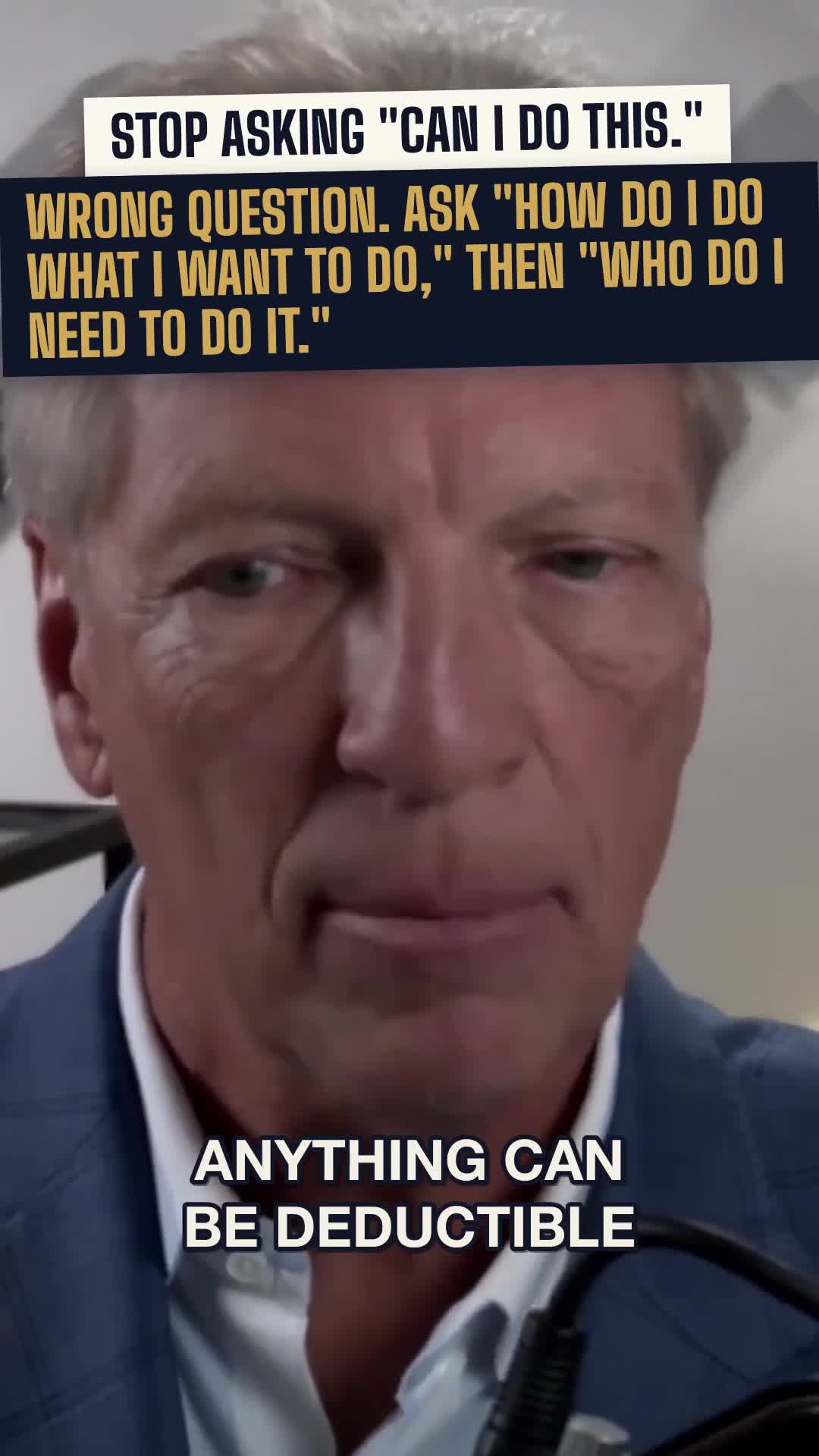
Tom's framework is deceptively simple. First: why am I doing what I'm doing? Without that answer, there's no real motivation to do the hard work of building wealth. Second: how do I do what I want to do, legally, ethically, morally? Not "can I?" which shrinks the solution space immediately, but "how?" which opens it up. Third: who do I need? The right people, followed by action, is the pattern Tom sees behind every good outcome in his own career and in his clients'. "We have to start with the first two because we need to get the roots," he says, "and then I think the people give us the wings."
How to make anything deductible: the Bentley story
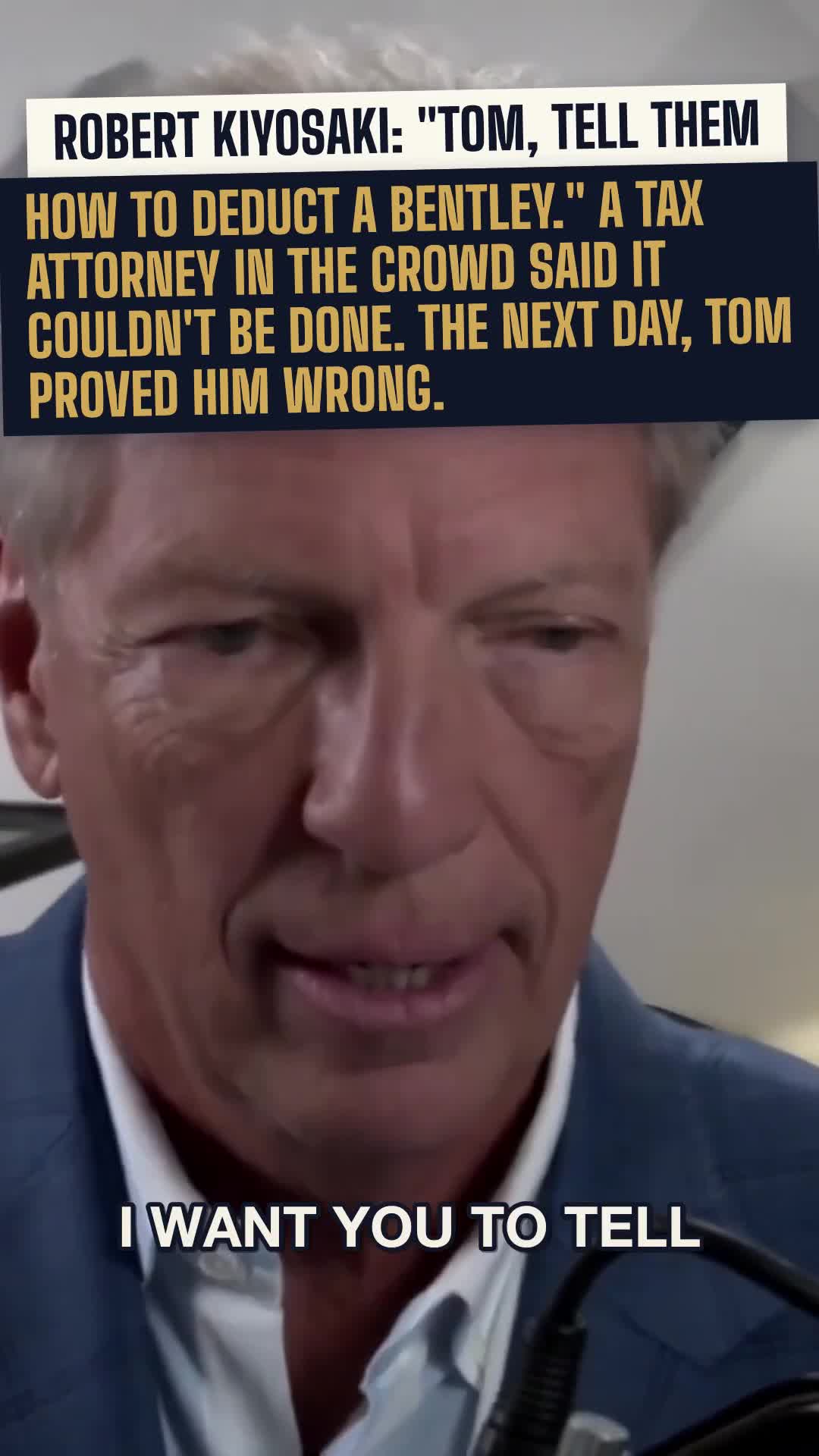
In Santiago, Chile, a tax attorney told Tom that luxury cars simply weren't deductible under Chilean law. Robert Kiyosaki's response the next morning: "Tell them how to legally deduct a Bentley in Chile." Tom trusted the process, worked through the problem sideways, and by the end of the day had walked the audience through an approach the attorney admitted he'd never considered, and confirmed would absolutely work. The lesson Tom draws from it: money is fungible. The cost of almost anything can be deductible. The question is never whether, it's how. "We have to get out of those first three solutions and get into the 453rd solution," he says.
Tom Wheelwright on building wealth through permanent tax reduction
Tom's math is straightforward and worth sitting with. If an entrepreneur permanently reduces their annual tax bill by $20,000 and invests that money at a 7% return, the balance doubles every ten years. Do that for a full career and the compounded result is well over a million dollars, money that came entirely from not giving it to the government in the first place. "That's a million dollars I could have in retirement that came from the government," Tom says. "I didn't even have to put the money in." The key word is permanent. A one-time deduction is a nice win. A structural change to how you make, use, and eventually transfer your money is a wealth strategy.