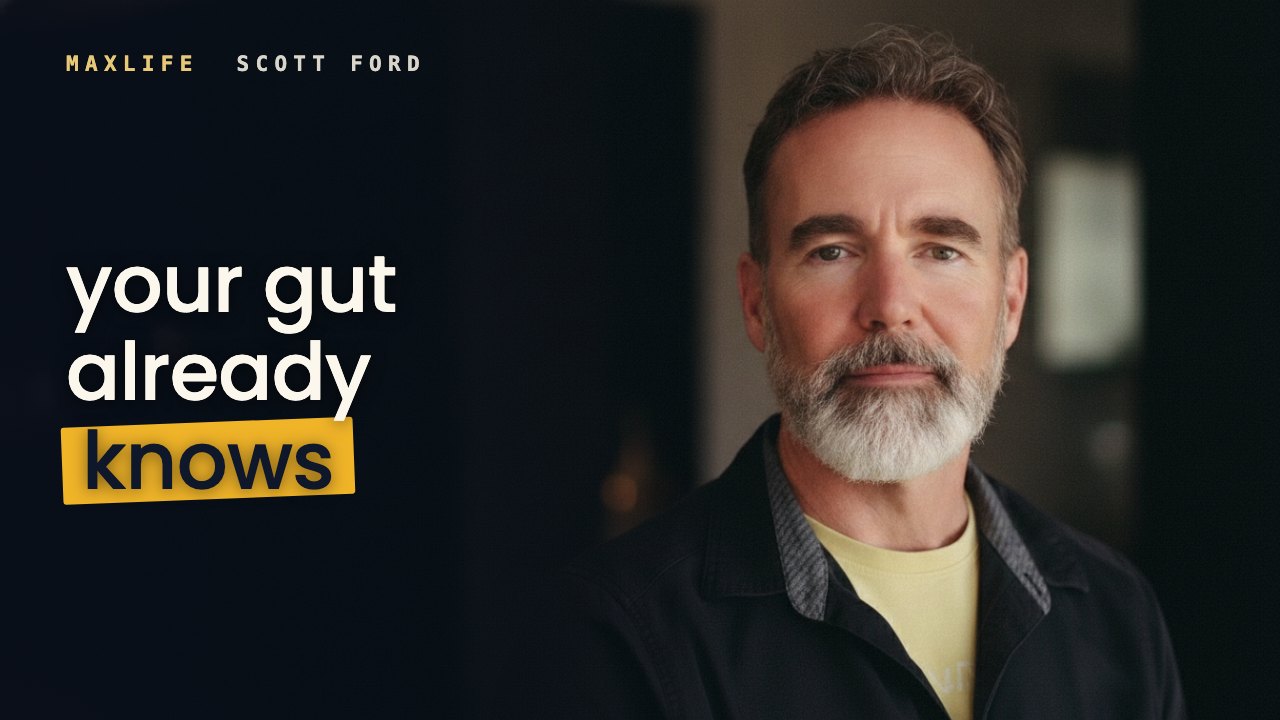
Why well-being is the real wealth metric
Scott Ford has spent more than 30 years in wealth management watching the same pattern repeat. A client walks in wanting tax efficiency, a better rate of return, a cleaner estate plan. Those things are solvable, Scott calls them close to algorithmic. What's not solvable by a spreadsheet is the thing underneath: the need to feel whole, to be seen, to know that the life being built actually means something.
"The root word of wealth coming from the Anglo-Saxon word weal," Scott explains, "and the definition of weal is well-being. So what they're really striving for is well-being." That reframe changes everything about how Scott runs a client meeting, and how he thinks about success.
Nervous system regulation and the foundation of real leadership
Scott is direct about something most leadership content skips: you can't lead well from a dysregulated system. "You are the five nervous systems you spend the most time with," he says, building on the familiar idea about the five people around you. If your system is running hot, pushing, grinding, avoiding what's uncomfortable, you're making decisions from fear, not instinct.
He's meditated for over 15 years, not to transcend the human experience but to slow down enough to actually be in it. His caution about meditation is worth noting: it can become another form of escape if it's used to bypass the real work rather than support it. "If we can't work on mastering this human experience, why are we transcending?"
Listening past 95% of the conversation
One of the most practical things Scott shares comes from training his own team of wealth advisors. "If a client's lucky, the professional will hear about 20 to 25% of the conversation and they're going to launch the solution," he says. "Most will hear about 10%. And what's sad about that is all of the answers lie past 95% of the conversation, and they're easy. You just got to create enough space to get to that last 5%."
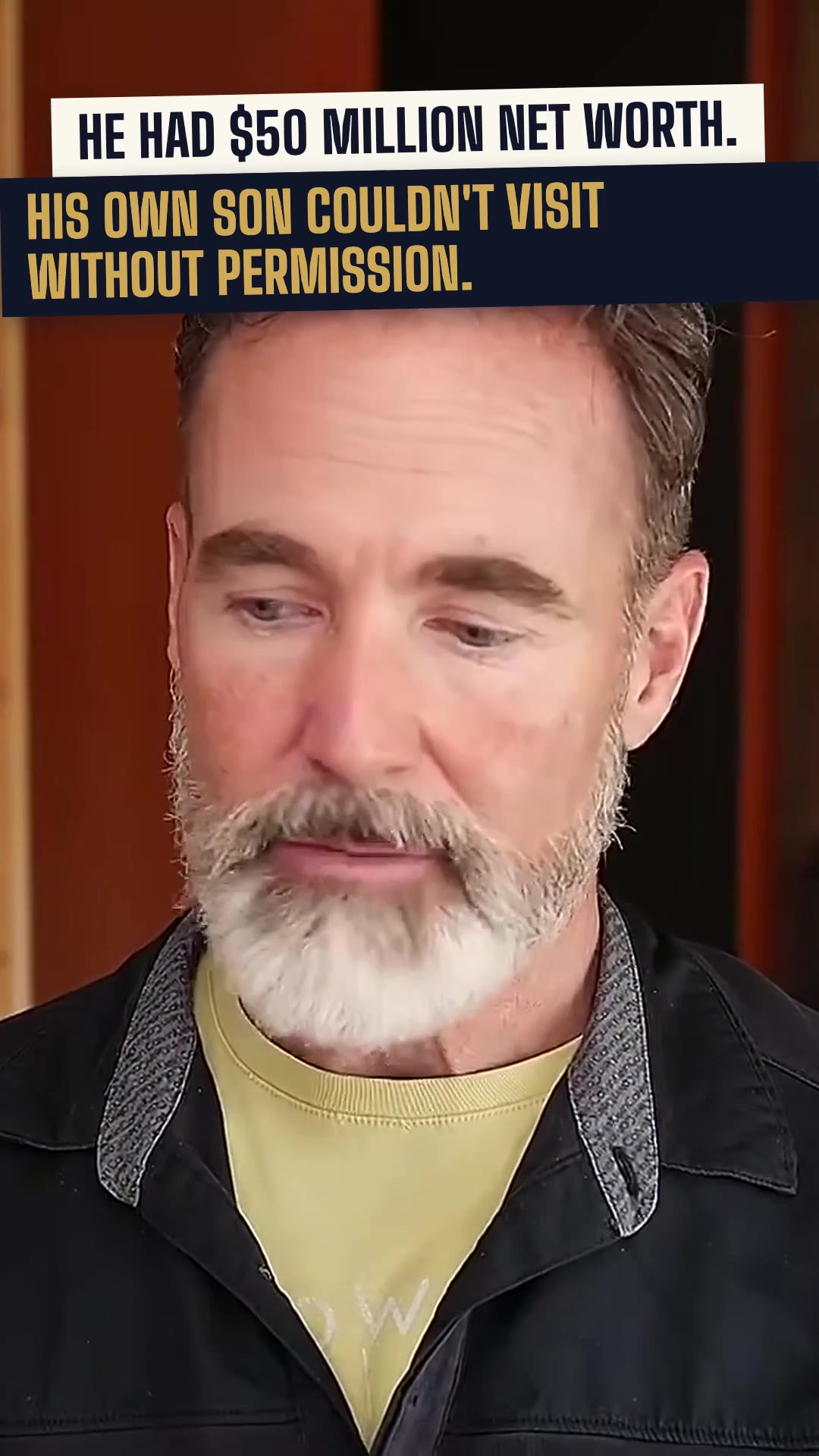
This applies to marriages, friendships, and business partnerships just as much as it applies to a client meeting. The move Scott recommends is simple: show up without an agenda. Not without preparation, without a predetermined destination for the conversation. When he did that with a high-net-worth client who had $5 million in passive income, the real issue that surfaced had nothing to do with taxes. It was a fractured relationship between the client's son and his current wife, and the grief of a family that couldn't share a home without knocking first.
Generational healing and the Infinite Entrepreneur framework
Scott's Infinite Entrepreneur framework is built on four interconnected areas: healing at the individual level, healing at the family level, building a purpose-driven business or philanthropy, and then, only then, making the money clean by aligning it with actual values. He draws this directly from indigenous I, We, All wisdom: "They taught specifically that we heal individually at the I level, then we heal at the We level, which is family and relationships, then we heal at the All level."
He traces the loss of that wisdom to the weaponization of religion and language, and to what was quietly removed when the founding fathers modeled the Constitution on the Iroquois Confederacy's Great Law of Peace. Seventh generation thinking didn't make the cut. Neither did the role of women in deciding whether to go to war. Scott thinks those omissions matter more than most people realize.
Scott's story: poverty, abuse, and breaking the chain
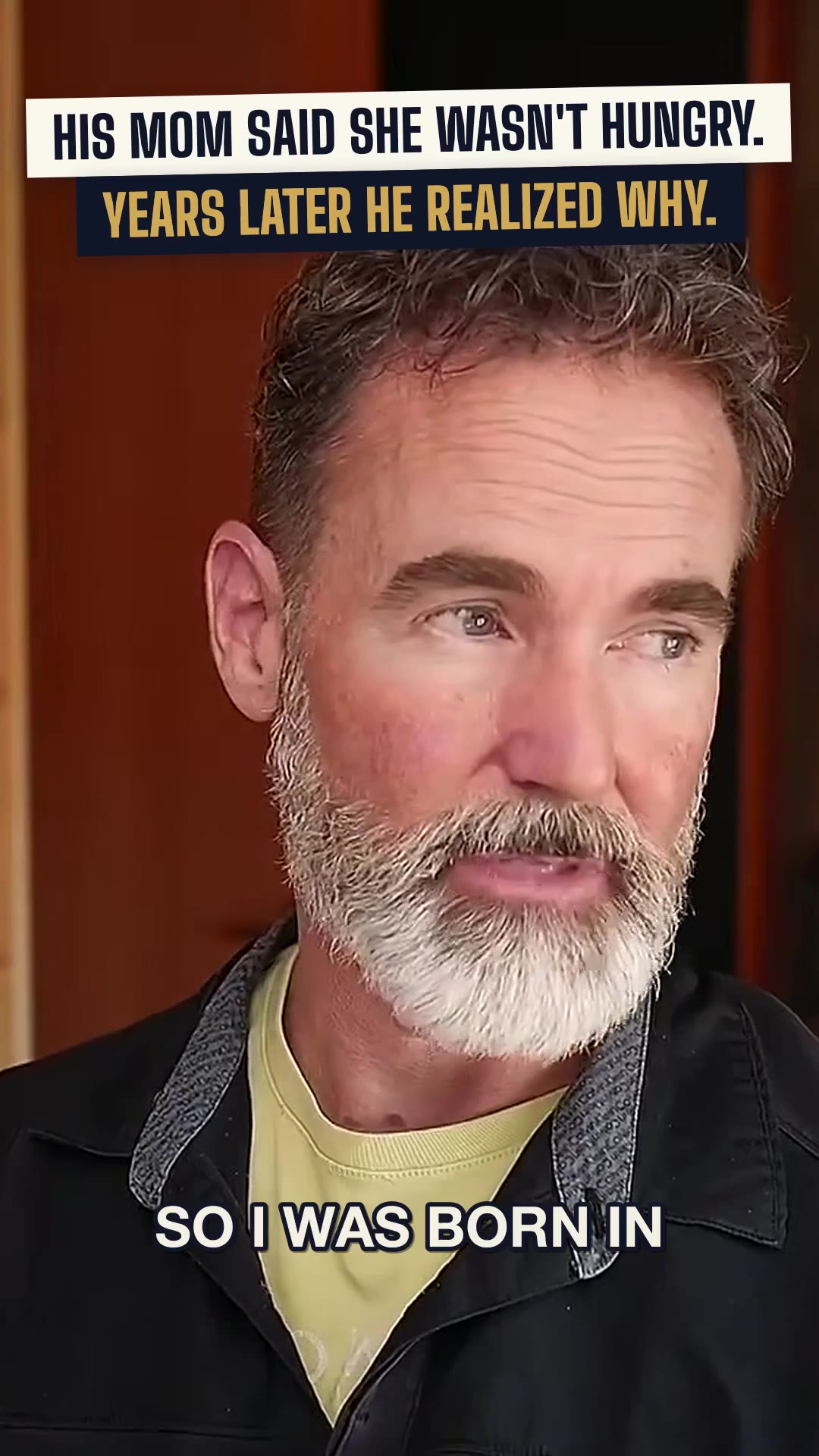
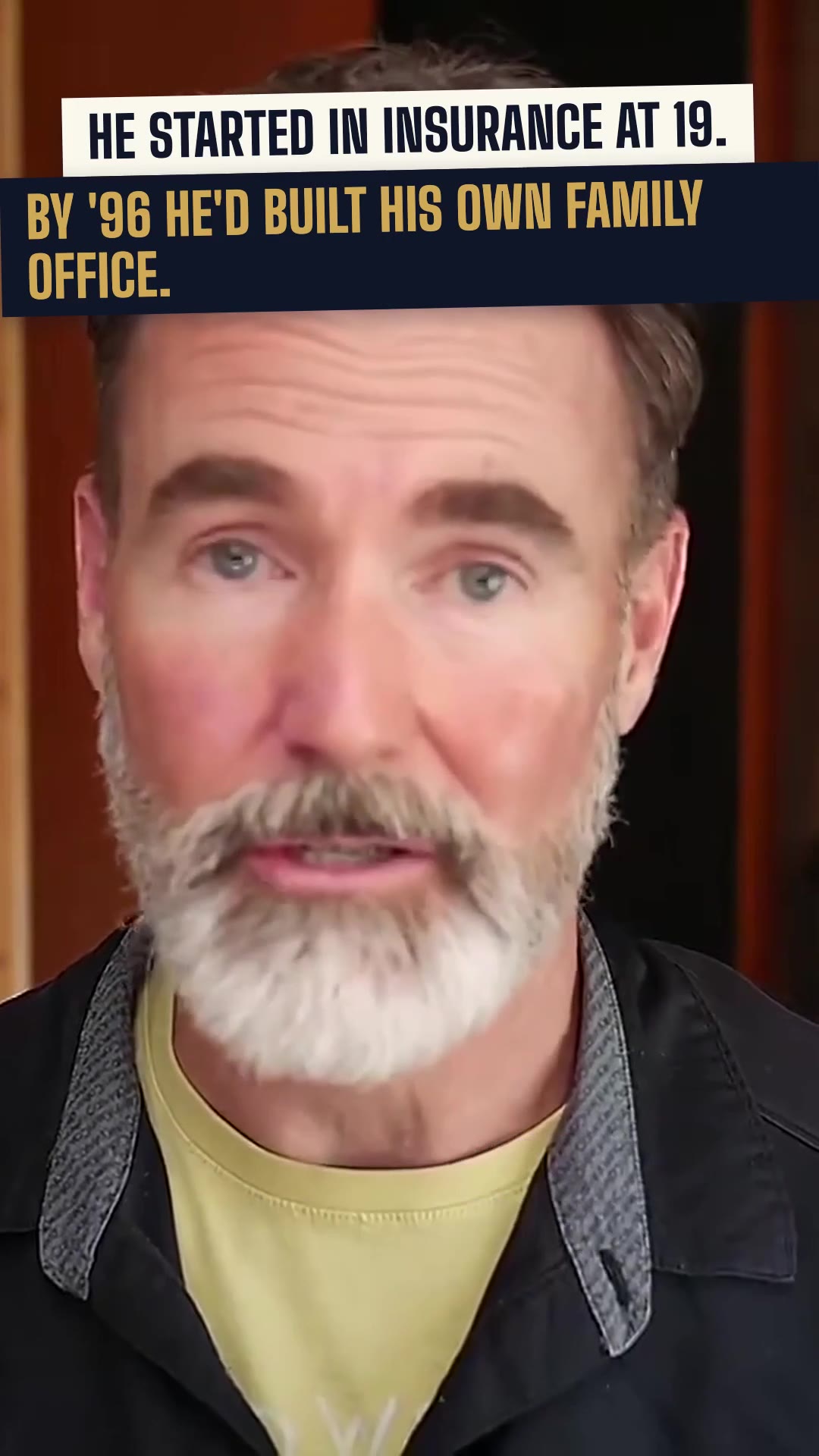
Scott grew up in a Baptist minister's home in Tennessee, poor enough that his mother skipped meals so her kids could eat. He wore his oldest brother's hand-me-down bell bottoms, a brother 15 years older, and watched his parents make promises they couldn't keep because they simply didn't have the money. That scarcity drove him into insurance at 19 and into building Cornerstone, his virtual family office, by 1996.
He's also honest about the harder parts: physical and emotional abuse in the home, a father who preached one thing and lived another, and a younger version of himself who pushed all of it down and called it normal. "Until you make the unconscious conscious," he says, quoting Jung, "it's going to show up in your life and you're going to call it fate." His own healing journey eventually required going back and telling the truth about what actually happened, not to assign blame, but because truth is where the chain breaks.
The 10-second gut check for high performers
The challenge Scott poses is almost insultingly simple: rate your well-being right now. Not your revenue. Not your pipeline. Not your team's performance. You. On a scale that only you can define. If something feels off, that feeling is data, and it's pointing at something worth following. "The power is not in the advice," Scott says. "The power is in the question." This is the gut check. It takes ten seconds. What it surfaces can take a lifetime to work through, and that's exactly the point.