MaxLife Podcast · Episode

Who You Are Changes Everything

Most people chase a bigger life by doing more. These three guests make the case that the real work is internal, who you are, how you think, and how honestly you connect with others is what shapes everything else.

With Erik Solbakken, Gary Klaben, and Ken Bogard33mIdentity · Adversity · Connection
The short version

Finding your purpose in life isn't a destination you arrive at, it's an ongoing process of exploration and self-discovery. Erik Solbakken argues that humans are the only species born without a built-in purpose, which means life itself is the adventure of figuring it out. Gary Klaben shows how serious adversity, 51 hospital visits and three heart conditions, can become a gift that sharpens your focus on what actually matters each day. Ken Bogard makes the case that real connection with others requires radical honesty and openness, and that laziness and distraction are the main forces pulling us away from both. Across all three conversations, the throughline is the same: the external stuff won't save you, but changing how you think, how you see yourself, and how you show up with other people will.

Key moments
What you'll take away

9 ideas from this conversation

01

Life is exploration, not arrival

Erik Solbakken says the whole point of being human is that you get to go explore, discover who you are, why you're here, and what you're here to do. That's the adventure.

02

You're running outdated software

Most of the reactions that hold you back aren't really yours, they're conditioned programming from your upbringing, your culture, and even your DNA. Seeing the program is the first step to changing it.

03

Childlike wonder is the bedrock

Before any technique or method works, you need the willingness to look at life with curiosity and awe. Without that, says Erik, nothing else moves.

04

Adversity can be a gift

Gary Klaben prayed for more empathy toward his clients and got three heart conditions. Thirty years later, he calls it a gift, it focused him on what matters every single day.

05

Someone always has it worse

Gary's first antidote to self-pity: remember there's always someone in worse shape than you. Humility and perspective are the fastest exits from the slippery slope of chronic unhappiness.

06

Master the six daily fundamentals

Sunlight, clean air, clean water, good food, daily movement, and seven hours of sleep. Gary has run for 55 consecutive years. You don't rise to your goals, you fall to your systems.

07

Real connection takes stamina

Ken Bogard says the biggest enemy of honest, open communication is laziness, it's simply easier to disconnect, scroll, or go silent than to stay present with another person.

08

Listening without reservation changes everything

Openness means putting your own needs on pause long enough to truly hear someone else. You don't have to agree, you just have to actually listen.

09

Disconnection is a choice we keep making

Ken traces the loneliness epidemic to the moment social media replaced face-to-face depth with shallow, dive-in-dive-out interaction. The pendulum will swing, but only if we choose to push it.

Full show notes

Who You Are Changes Everything

Finding your purpose in life starts with one honest question

Ben Laws opens this compilation episode with a provocation: most people think living a max life is about doing more, achieving more, pushing harder. "What if that's actually the thing that's holding you back?" The three conversations he pulls from, with Erik Solbakken, Gary Klaben, and Ken Bogard, all land on the same answer. The real work is internal. Who you are shapes everything.

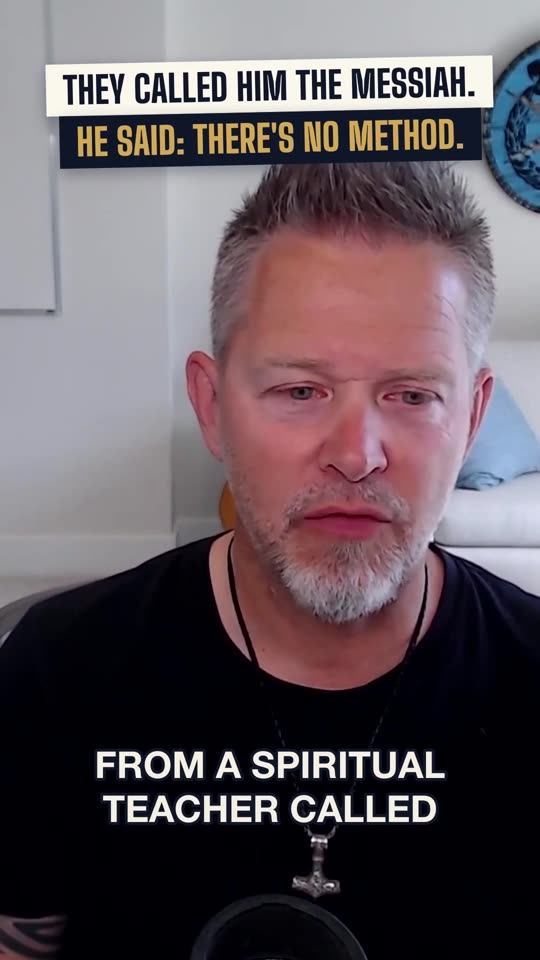
Erik Solbakken puts it plainly: "To be yourself, when you can completely be yourself, that is the ultimate freedom." The catch, he says, is that most of us have no idea who we actually are. Humans are the only species born without a built-in purpose. Birds do bird things. Trees do tree things. We come out and look at each other and say, "Okay, so now what do I do?" That uncertainty isn't a flaw. According to Erik, it's the whole point, life is the adventure of exploring and discovering who you are.

How to discover who you really are: start by seeing your conditioning

The biggest headwind to self-discovery, Erik argues, isn't laziness or fear, it's conditioning. "We're programmed. We're all still working with our lizard brain, thinking the saber-tooth tiger is coming around the corner." Every reaction that doesn't serve you, every pattern you can't explain, every time someone's comment online sends your nervous system into overdrive, that's old software running on new hardware.

The good news: once you see the program, you can start to change it. Erik points to Krishnamurti's insight that "a mind that is constantly learning can never be hurt," and to Wayne Dyer's line that when you change the way you look at the world, the world you look at changes. These aren't just motivational phrases, they're descriptions of how reprogramming actually works. Strategic Coach, breathing practices, podcasts, deep conversations, they're all different entry points to the same upgrade.

The cornerstone, Erik says, is childlike wonder. Not childishness, no tantrums, but the genuine, wide-eyed curiosity of someone who hasn't yet decided they know how everything works. "Don't take yourself so damn seriously. Be like a child and realize this is an amazing, wonderful world that is just an infinite playground of exploration and discovery."

Personal growth through adversity: Gary Klaben's 51 hospitalizations

Gary Klaben's story reframes what personal growth and self-discovery can look like when life doesn't cooperate with your plans. At 40, he prayed for more empathy toward his elderly clients. What he got was atrial fibrillation, apical hypertrophic cardiomyopathy, and a flutter, three heart conditions, 51 hospitalizations, and five ablation procedures over 15 years.

"About a year into having these issues, I was sitting at my desk and I kind of bonked myself on the forehead and said, 'You prayed for this.'" That reframe changed everything. Instead of asking how to survive his conditions, Gary started asking how to use them. He began treating every hospital room as a community, asking nurses about their lives, making the anesthesiologist's day better, finding out who the person pushing his cart actually was.

His prescription for anyone sliding into chronic unhappiness is grounded and practical. First, remember there's always someone worse off, humility is a fast exit from self-pity. Second, master the six daily fundamentals: sunlight, clean air, clean water, good food, daily movement, and sleep. Gary is in his 55th consecutive year of running. "People forget about those fundamentals. Those are fundamental things." You don't rise to your goals, as James Clear puts it, you fall to your systems.

Feeling stuck in life? The problem might be how you're connecting

Ken Bogard brings the third angle: if you want to stop feeling stuck, look at the quality of your communication. His book No Honesty argues that most teams, relationships, and communities are operating in a brackish mix of partial honesty and performative openness, and paying for it in loneliness, anxiety, and missed potential.

The solution Ken keeps coming back to is deceptively simple: listening without reservation. "It's putting your needs and wants on pause for somebody else." Not agreeing. Not fixing. Just being fully present to another human being long enough to actually hear them. When you do that, he says, your ability to connect goes through the roof.

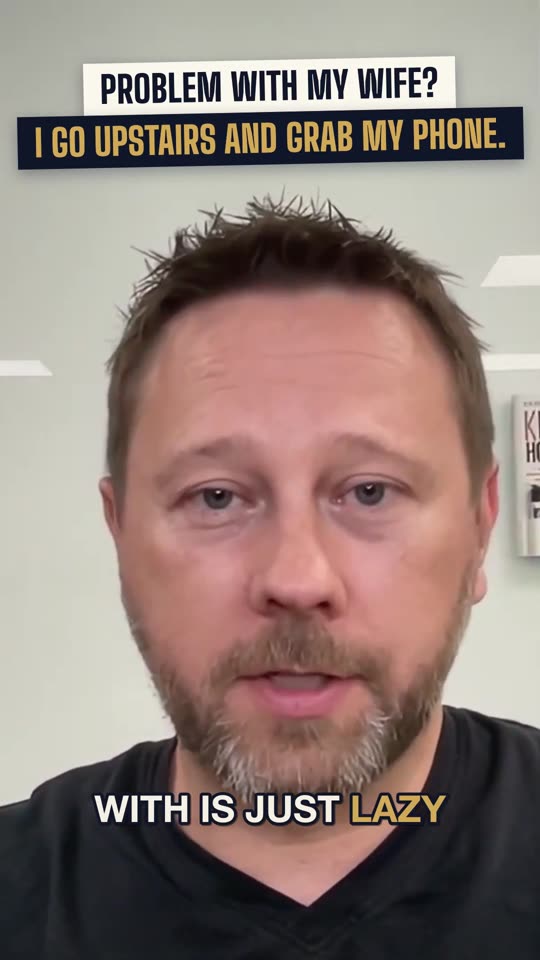
The headwind? Ken calls it laziness. Not moral failure, just the path of least resistance. It's easier to blast an opinion on social media and turn off notifications than to stay in a hard conversation. It's easier to go upstairs and scroll than to work through something difficult with your partner. And every time we choose the easier path, we get a little lonelier. Ken traces the acceleration of this pattern to 2012, when social media scaled the shallow end of human connection and made depth optional. "We are designed to be social creatures. But we're also gravitating towards the low-hanging fruit and the ease of disconnectedness."

Who you are changes everything, and you can change who you are

Three guests, three different entry points, one conclusion. Erik says explore yourself like a child exploring a playground. Gary says let adversity sharpen your focus instead of stealing your joy. Ken says stop choosing disconnection and start listening like it matters, because it does. The external stuff, the achievements, the metrics, the promotions, none of it moves the needle the way your internal work does. Who you are really does change everything.


Quotable

Lines worth sitting with

To be yourself, when you can completely be yourself, that is the ultimate freedom.
Erik Solbakken
A mind that is constantly learning can never be hurt.
Erik Solbakken (quoting Krishnamurti)
I have this one life to live and this is what I've been given.
Gary Klaben
Listening without reservation, it's putting your needs and wants on pause for somebody else.
Ken Bogard
Free · No. 71 of the series

I want to live more fully, but I'm not sure I actually know who I am
Reflection Worksheet

The episode is 33m. This worksheet is fifteen minutes. The fifteen minutes is the part that changes anything: five questions from this exact conversation, pointed at your business and your life. Answer them on paper while the ideas are still fresh, and they become yours for good.

  • The Old Program Running You
  • Childlike, Not Childish
  • Someone Would Trade You For It
  • Gary's Six Simple Things
  • The Easy Exit
You get this worksheet plus the full 75-worksheet binder, free.
5 prompts, 1 pagePrintable, binder-readyFree, no spam
Open the full worksheet →
Clips · grab & share

Short highlights from the episode

Short clips from this episode are on the way. Watch the full episode while we cut them.
The guest

Meet Erik Solbakken, Gary Klaben, and Ken Bogard

Erik Solbakken, Gary Klaben, and Ken Bogard on the MaxLife Podcast

Erik Solbakken, Gary Klaben, and Ken Bogard

Compilation episode, three guests, one throughline

Erik Solbakken is the founder of Viking Academy and a speaker and explorer focused on identity, conditioning, and what it means to truly know yourself. Gary Klaben is a West Point graduate, financial coach, and author who has navigated 51 hospitalizations and three heart conditions while building a philosophy of gratitude and daily fundamentals. Ken Bogard is a leadership coach and author of No Honesty, focused on the communication breakdowns that keep individuals, teams, and relationships from reaching their potential.

Questions, answered

Questions & answers

How do you start finding your purpose in life?
Erik Solbakken argues that finding your purpose isn't a single discovery, it's an ongoing process of exploration. Start by recognizing that you're running on conditioned programming that may not actually be yours, then approach your own life with the same curiosity a child brings to a new playground. The adventure is the point, not the destination.
What does it mean to discover who you really are?
According to Erik, discovering who you really are means separating your authentic self from the conditioning layered on top of it, by your upbringing, your culture, and even your DNA. It requires honest self-examination and a willingness to keep learning, because as Krishnamurti put it, a mind that is constantly learning can never be hurt.
What do you do when you feel stuck in life?
Gary Klaben's approach is to anchor back to the fundamentals: sunlight, clean air, clean water, good food, daily movement, and sleep. He also recommends shifting your attention outward, focusing on bringing value to the people around you is one of the fastest ways to stop spiraling inward. Ken Bogard adds that genuine connection with even one other person can break the pattern.
How does personal growth and self-discovery actually work?
All three guests point to the same mechanism: change how you think and you change what you see. Erik frames it as reprogramming outdated mental software. Gary frames it as choosing gratitude and perspective in the face of real adversity. Ken frames it as developing the stamina to stay present and honest in your relationships rather than defaulting to distraction.
Why is real human connection so hard right now?
Ken Bogard traces the problem to the rise of social media around 2012, which made shallow, high-volume interaction the default and made depth optional. He argues the core issue is laziness, not moral failure, just the consistent choice of the easier path. Deep connection requires energy, presence, and the willingness to stay in uncomfortable conversations.
Can adversity help you find your purpose in life?
Gary Klaben's experience suggests it can. He was hospitalized 51 times over three decades with multiple heart conditions, and he describes it as a gift that forced him to focus on what matters every single day. The key shift was choosing to see adversity as something happening for him rather than to him, and then acting on that perspective by showing up fully for the people around him even from a hospital bed.
Share kit

Help spread this episode

Ready-to-post copy for guests and fans. Grab a caption, pick a clip above, and link this page.

Copy any of these word-for-word, or make them your own. They tag the show so it shows up when you post.

Social caption — long
What does it really take to live a max life? In this episode of the MaxLife Podcast, @MaxLifeBenLaws brings together three powerful voices, Erik Solbakken, Gary Klaben, and Ken Bogard, each with a different angle on the same truth: who you are changes everything. Erik breaks down why we're all running on outdated conditioning and how childlike curiosity is the first step to real self-discovery. Gary shares how 51 hospitalizations and three heart conditions became the gift that sharpened his focus on what actually matters. And Ken makes the case that loneliness and feeling stuck often come down to one thing, we've stopped truly listening to each other. If you've ever felt like something's missing, this one's worth your 33 minutes. Full show notes and a free reflection worksheet at https://maxlifecoach.com/episodes/who-you-are-changes-everything
Social caption — short / quote
Who you are shapes everything, your relationships, your health, your sense of purpose. @MaxLifeBenLaws + three guests on identity, adversity, and real connection. Free worksheet at https://maxlifecoach.com/episodes/who-you-are-changes-everything
Email — share with your audience
Subject: This podcast episode made me think of you

Hey,

I just listened to this MaxLife episode and kept thinking you'd get something out of it. Ben Laws pulls together three conversations, with Erik Solbakken, Gary Klaben, and Ken Bogard, all pointing to the same idea: the external stuff isn't what changes your life. Who you are, how you think, and how honestly you connect with people is what actually moves the needle.

Erik talks about how we're all running on conditioned programming we didn't choose. Gary shares how he turned 51 hospitalizations into a daily practice of gratitude and focus. And Ken breaks down why real connection is so hard right now and what it takes to actually listen to someone.

It's 33 minutes and there's a free reflection worksheet at the link below.

https://maxlifecoach.com/episodes/who-you-are-changes-everything

Thought you'd appreciate it.
Copied