MaxLife Podcast · Episode

Why a $2.5B Exit Didn’t Feel Like Success, Alex Bean on Purpose After Divvy

Alex Bean sold Divvy for $2.5 billion and went to bed feeling like he hadn't earned his sleep. This is the conversation about what actually happens when you get everything you thought you wanted.

With Alex Bean1h 11mPurpose · Entrepreneurship · Wealth
The short version

A $2.5 billion exit doesn't automatically deliver purpose, identity, or peace. Alex Bean, co-founder of Divvy, found himself jealous of friends still in the rat race just months after selling, because the daily grind had been his source of meaning all along. He learned that wealth without purpose is just a number in a bank account, that relationships outlast any balance sheet, and that coming back to base camp after the mountaintop requires its own set of skills. The real work isn't building the company. It's figuring out who you are when the company is gone.

Key moments
What you'll take away

9 ideas from this conversation

01

The mountaintop is only halfway

Getting the exit, the championship, or the big check is the midpoint. Coming back to base camp takes its own set of skills and its own kind of courage.

02

Purpose is what earns your sleep

Alex felt he was no longer earning his sleep after the sale. Without something to build and strive toward, the daily routine loses its fuel.

03

Hire the hungry number two

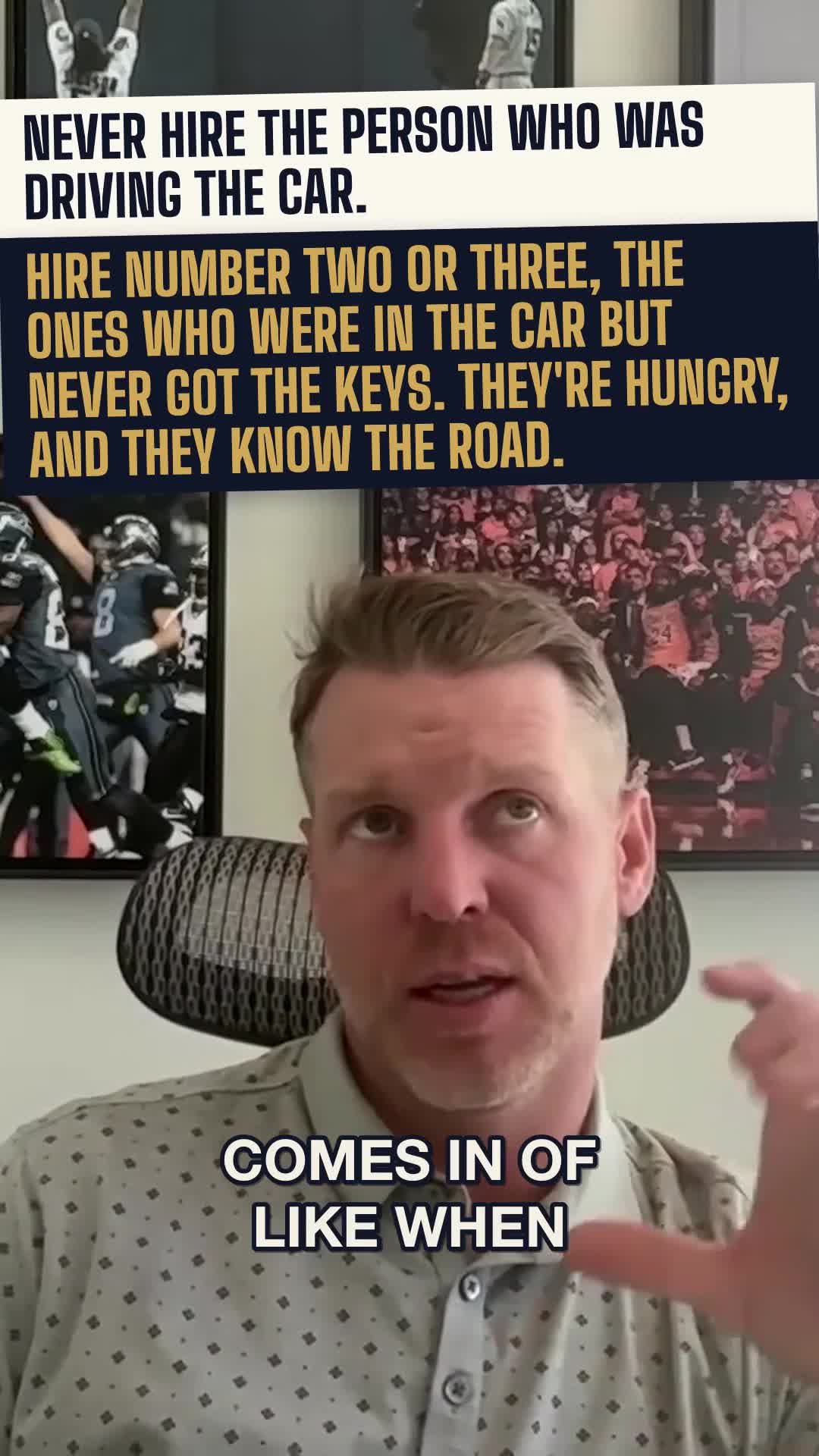
The Car Theory: find people who've been in the car at a company that's done what you want to do, but weren't driving. They know the road and they want the keys.

04

Your billboard must work at 80 mph

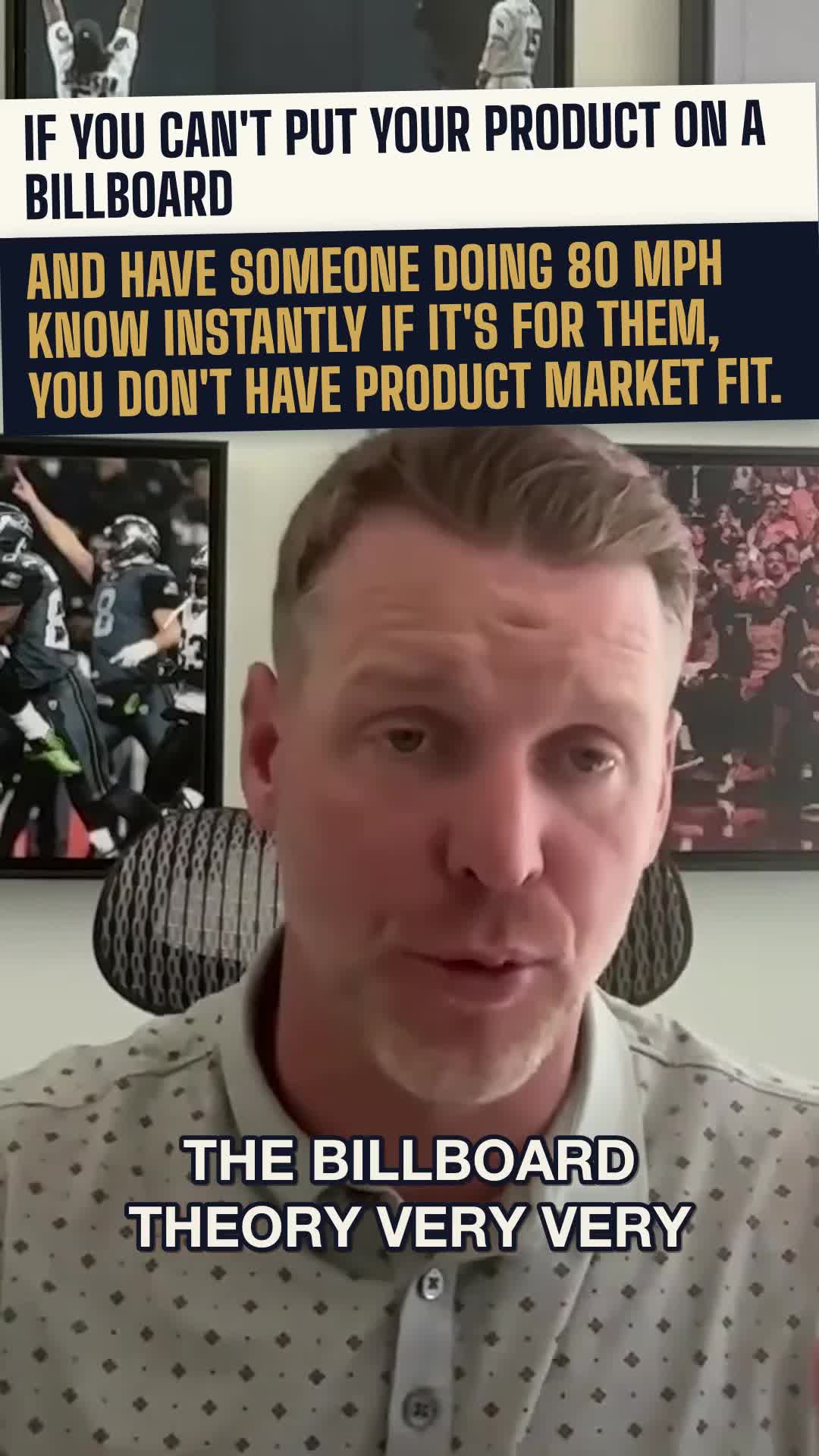
If a stranger driving past a billboard can't tell in one sentence whether they're your customer or not, you don't have product-market fit yet.

05

Test check writers, not cheerleaders

Your spouse, your sister, and your close friends will give you encouragement. Real validation only comes from strangers who have no reason to be kind.

06

More money doesn't change the day

Alex talks to people at every wealth level and finds that the difference between $20M and $50M changes nothing about how someone actually lives day to day.

07

The curse of convenience is real

When everyone in your life says yes to you, the one person who says no starts to feel like the enemy. That dynamic has ended a lot of marriages.

08

Wealth is relationships, not a balance sheet

"The people that are rich have money. The people that are wealthy have relationships." Alex says this is the clearest thing he learned from the other side.

09

Take the risk, that's the credit

Alex gives himself credit for one thing: he took the 75-80% pay cut and made the leap. The luck and timing helped, but none of it happens without the jump.

Full show notes

Why a $2.5B Exit Didn’t Feel Like Success, Alex Bean on Purpose After Divvy

Why success feels empty without purpose

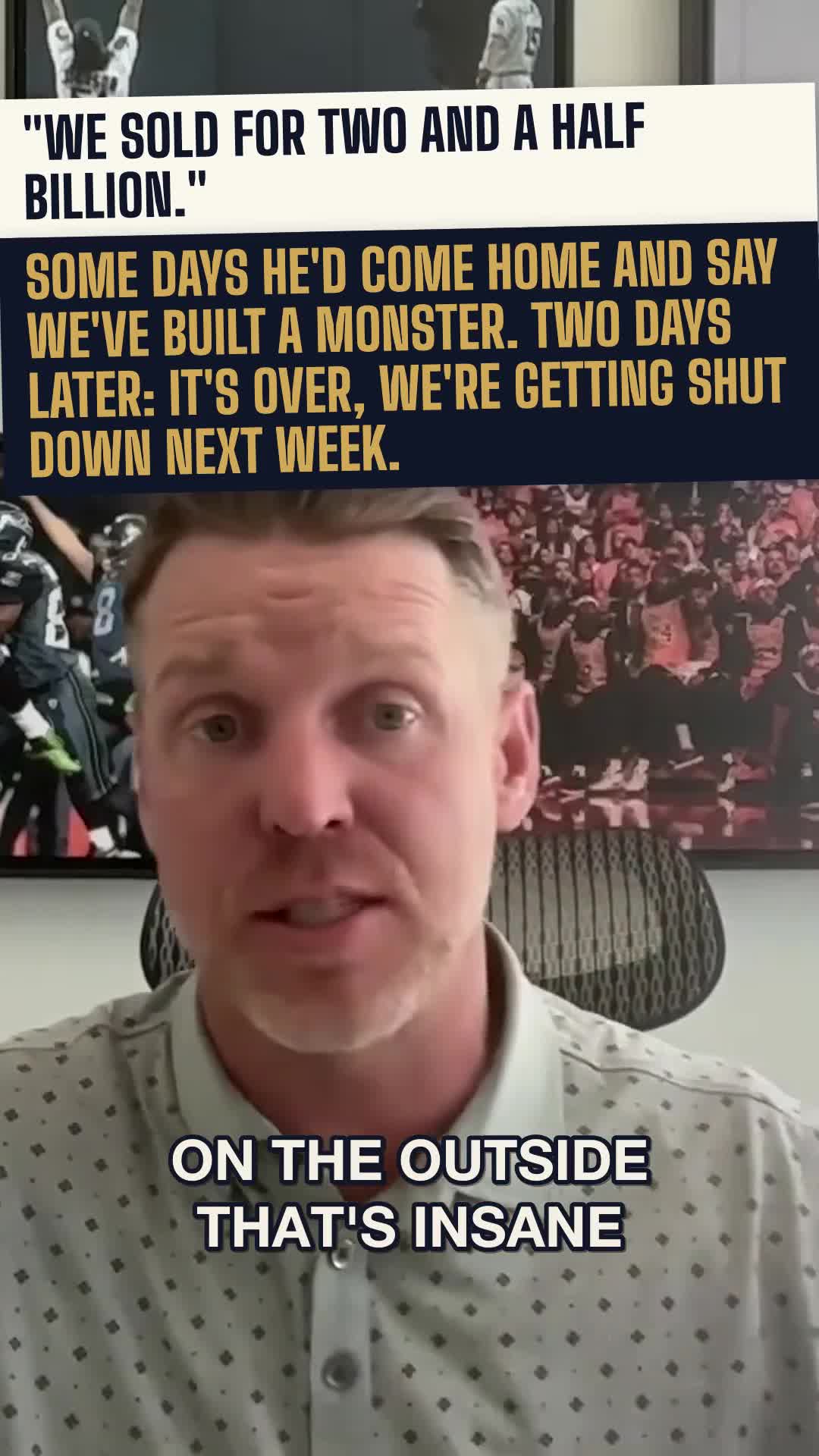
Alex Bean sold Divvy for $2.5 billion in June 2021. By October of that same year, he was lying in bed telling his wife something he couldn't say to anyone else: "I'm jealous of my friends in the rat race." He knew how it sounded. He said it anyway, because it was true.

The feeling wasn't ingratitude. It was the absence of purpose. Every day at Divvy had been a grind with a reason behind it. After the sale, the grind was gone and so was the reason. His identity, his motivation, his daily dopamine hits, all of it had been tied to building something. When the building stopped, the emptiness moved in. This episode is the honest account of what that felt like and what he did about it.

The Divvy origin story and what actually drove the exit

Alex grew up in Seattle in a family of entrepreneurs stretching back to his great-grandfather. He was a geography major who, by his own admission, wasn't very good at college. The decade after graduation was spent jumping into other people's cars, working for people he respected, watching how they operated, and accumulating what he calls dangerous enough knowledge to eventually go out on his own.

In February 2016, his partner Blake came to his house with an idea: a credit card with software on it, essentially bringing the Venmo and Apple Pay experience to business spend management. They quit their jobs a few months later. They went to market in 2018. They sold in 2021. "It was a wild ride. We made a lot of mistakes. We had a lot of down days, but we had some awesome up days. And at the end, it ended well."

What the entrepreneur magazine articles left out: the Thursday email from US Bank shutting them down with no warning, the two weeks during COVID when their $100 million tranche from investors went unanswered while the bank could have pulled every customer's credit line at any moment. "My body didn't function," Alex says of that period. "I remember going into one of our meetings and my friend Blakeley, who was our CFO, just said, 'Do you need a hug?' And we literally started crying."

The Car Theory for hiring elite talent

Around 2019, with Divvy at roughly $1 million in ARR and a goal of reaching $100 million, Alex and Blake sat down and asked a simple question: which companies have already done what we want to do, in a way we respect? They wrote eight names on a whiteboard. Then they went to LinkedIn, not to recruit the head of revenue at those companies, but to find the number two, three, or four.

The logic is straightforward. The number one has already been paid and isn't hungry. The number two has been in the car. They know the road, they've seen the playbook work, but they weren't driving. Give them the keys and they'll run. "Some of our best hires came utilizing that theory," Alex says. He also applies it to career advice for young people: get in the car of someone great, do the work, go to lunch with them, and you'll find yourself in a position you couldn't have engineered any other way.

The Billboard Theory and finding real product-market fit

Before Alex left his well-paying job at Serge to start Divvy, he was cold-calling heads of finance at companies with 50 to 500 employees. These were friends of friends who were annoyed to be on the phone. That was the point. When he walked them through the mock-up of what Divvy would be, the responses were visceral: "When is it available? How do I get my hands on it? Wait, go back and tell me that again." That reaction was product-market fit.

He now calls the test the Billboard Theory. If you can't put your offer on a freeway billboard and have someone driving at 80 miles an hour know instantly whether they're your customer or not, you haven't found it yet. The Plum Tree Jewelry disaster from his college years, buying $1,000 of pearl necklaces to sell at an apartment complex community center, was the inverse lesson. Great margins, zero product-market fit, no business.

The unexpected downside of wealth and the curse of convenience

Alex is careful not to play the world's smallest violin. He knows his problems are not the worst problems in the world. But he's also committed to being transparent, because he's watched the same pattern destroy families and he thinks the silence around it does real damage.

When the money hit the bank account, he and his wife Megan weren't aligned. He wanted to move and change things. She didn't want anything to change, because she didn't want their four kids to become entitled. "She said to me, 'Alex, everyone in your life says yes to you. The only person in the world that says no is me.'" He sat with that and realized she was right.

He calls the broader pattern the curse of convenience. When everything is easy and everyone says yes, the friction of a spouse who holds the line starts to feel like opposition. That's where he's watched marriages end. The money didn't cause the problem. The ego that grew alongside the money did. Coming back to base camp, as he puts it, requires shaving a lot of that off.

Purpose, relationships, and the three pillars after the exit

Alex spent about a year after the sale doing what he calls hobby hill, piano lessons with his daughters, magic card tricks, golf. Things to stay busy. Not things to build toward. The turning point came when he could name what was actually missing: purpose, and the identity that came with it. A neighbor called him "the Divvy guy" and he felt the ground shift under him. That was who he had been. He wasn't that anymore.

His book organizes the lessons into three pillars. Purpose: without something to strive toward, the daily routine hollows out regardless of the balance sheet. Relationships: "The people that are rich have money. The people that are wealthy have relationships." And a third that runs underneath both, the willingness to ask honestly whether the number you're chasing will actually change anything about how you live, because in his experience, the difference between $20 million and $50 million changes nothing about the day-to-day. The mountaintop is real. So is the descent. Plan for both.
Quotable

Lines worth sitting with

I'm jealous of my friends in the rat race. I know it's nuts and I can't say this on social media, but I didn't have purpose anymore and I really, really missed it.
Alex Bean
The people that are rich have money. The people that are wealthy have relationships.
Alex Bean
Everyone in your life says yes to you. Your employees, your friends, people asking for money, they all say yes. The only person in the world that says no is me.
Alex Bean (quoting his wife Megan)
Coming back to base camp is its own special hike that takes its own set of skills. And when you have the pride and ego of look what I've done, you've got to shave a lot of that off.
Alex Bean
Free · No. 45 of the series

I got what I worked for and it felt hollow
Reflection Worksheet

The episode is 1h 11m. This worksheet is fifteen minutes. The fifteen minutes is the part that changes anything: five questions from this exact conversation, pointed at your business and your life. Answer them on paper while the ideas are still fresh, and they become yours for good.

  • The Summit You're Climbing
  • Earning Your Sleep
  • The Number That Moves
  • Money As An Input
  • Define Your Good
You get this worksheet plus the full 75-worksheet binder, free.
5 prompts, 1 pagePrintable, binder-readyFree, no spam
Open the full worksheet →
Clips · grab & share

Short highlights from the episode

Short clips from this episode are on the way. Watch the full episode while we cut them.
The guest

Meet Alex Bean

Alex Bean on the MaxLife Podcast

Alex Bean

Co-founder, Divvy · Author · Venture Capitalist

Alex Bean co-founded Divvy, a credit card and spend-management platform, in 2016 and sold it for $2.5 billion in 2021. He now does venture capital, writes and speaks about purpose and wealth, and holds a Guinness World Record for the longest game of pickleball. He lives in Utah with his wife Megan and their four kids.

Questions, answered

Questions & answers

Why does success feel empty after a big exit?
Alex Bean found that the daily grind of building Divvy was itself the source of meaning, not the outcome. When the company sold, the purpose that had been baked into every hard day disappeared overnight. Without a new mountain to climb, the identity and motivation that had driven him for years had nowhere to go.
What is the Car Theory for hiring?
The Car Theory is a recruiting strategy Alex and his co-founder Blake used at Divvy. Instead of hiring the top executive at a company that had already done what you want to do, you find the number two, three, or four. They've been in the car, they know the road, but they weren't driving, so they're hungry for the keys and they know enough to see around corners.
How do you find product-market fit before you launch?
Alex's Billboard Theory says your offer has to be clear enough that a stranger driving at 80 miles an hour past a billboard knows instantly whether they're your customer. Before leaving his job, he cold-called heads of finance who had no reason to be kind to him. The visceral reactions, 'When is it available? Go back and tell me that again', told him what he needed to know.
What is the unexpected downside of wealth?
Alex calls it the curse of convenience. When money makes everything easy and everyone around you says yes, the friction of real relationships starts to feel like opposition. He watched it strain his own marriage and end others. The ego that grows alongside financial success can quietly erode the relationships that actually make life feel worth living.
How do you raise kids without entitlement when you have money?
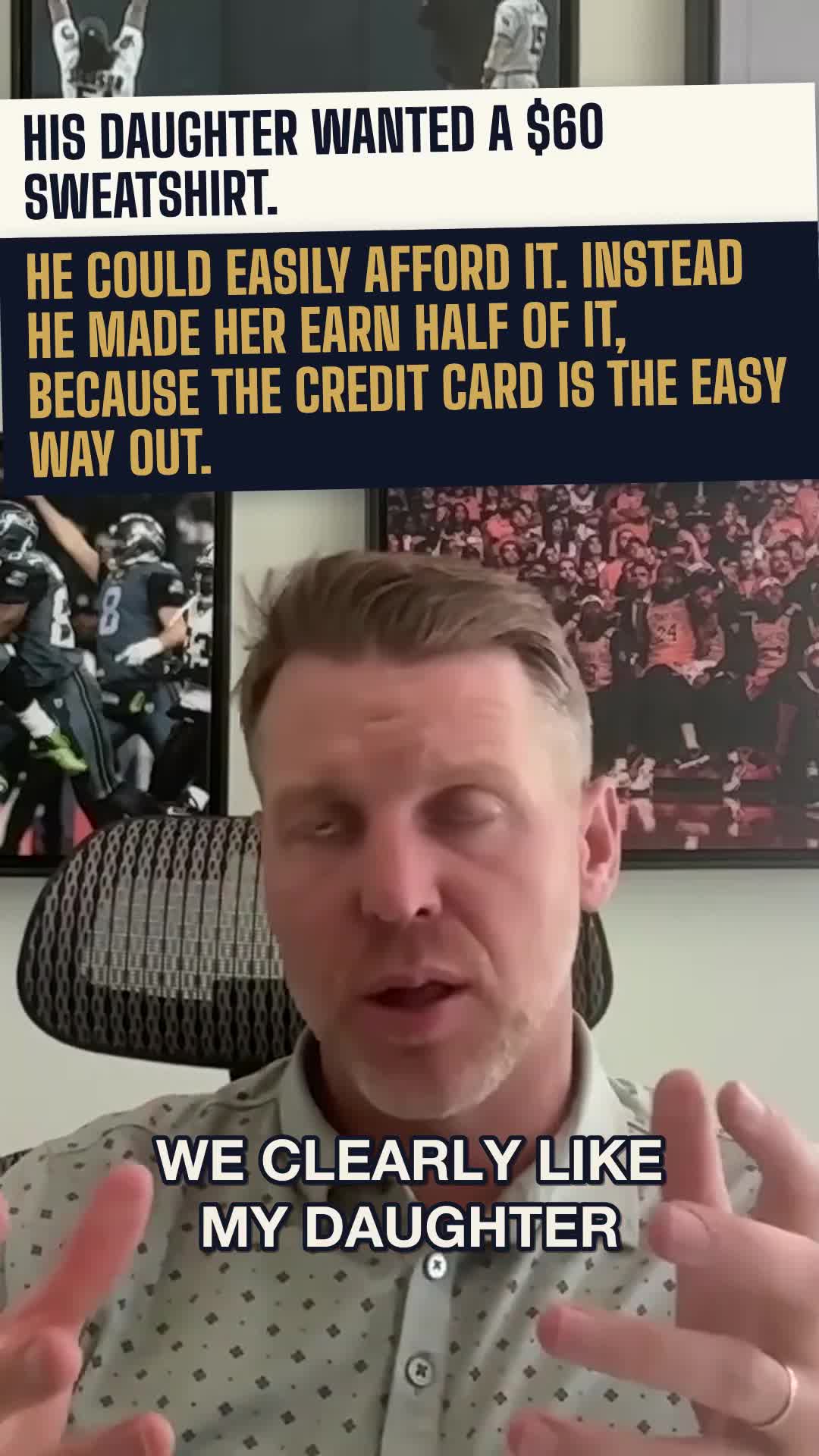
Alex and his wife Megan made a deliberate choice not to let the balance sheet change what their kids had to earn. When his daughter wanted a $60 sweatshirt, they split it, she had to earn her half. The harder move, he says, is explaining to a kid that you have the money but you're still not going to pay for it. It takes more energy than swiping the card, but it's the work.
How do you find purpose after selling your company?
Alex spent about a year on what he calls hobby hill, staying busy without building toward anything, before he could name what was missing. His advice is to stop treating purpose as something that arrives with the exit and start treating it as the thing you need to identify before the exit, so you know what mountain you're climbing next. The goal isn't to rest. It's to find a reason to earn your sleep again.
Share kit

Help spread this episode

Ready-to-post copy for guests and fans. Grab a caption, pick a clip above, and link this page.

Copy any of these word-for-word, or make them your own. They tag the show so it shows up when you post.

Social caption — long
Alex Bean co-founded Divvy, sold it for $2.5 billion, and then went to bed feeling like he hadn't earned his sleep. In this conversation with @MaxLifeBenLaws, he gets honest about why the exit felt hollow, how he and his wife navigated the "curse of convenience," the Car Theory he used to hire elite talent, and the three pillars, purpose, relationships, and a reality check on what money actually changes, that helped him find his footing again. If you've ever wondered what's actually on the other side of the mountaintop, this one's worth your hour. Full episode + free reflection worksheet: https://maxlifecoach.com/episodes/why-a-25b-exit-didnt-feel-like-success-alex-bean
Social caption — short / quote
Sold for $2.5B. Still felt empty. @MaxLifeBenLaws sits down with Divvy co-founder Alex Bean on purpose, identity, and what no one tells you about life after the exit. https://maxlifecoach.com/episodes/why-a-25b-exit-didnt-feel-like-success-alex-bean
Email — share with your audience
Subject: This conversation with Alex Bean hit differently

Hey,

Thought you'd want to hear this one. Alex Bean co-founded Divvy, sold it for $2.5 billion, and spent the months after feeling jealous of his friends still in the rat race. He talks about it honestly, the identity shift, the strain on his marriage, the year of hobby hill before he found his footing again. He also shares the Car Theory for hiring hungry talent and the Billboard Theory for testing product-market fit before you quit your job. Good stuff whether you're building something or just thinking about what you're actually working toward. Full episode and a free reflection worksheet here: https://maxlifecoach.com/episodes/why-a-25b-exit-didnt-feel-like-success-alex-bean
Copied