MaxLife Podcast · Episode

Why Millionaires Still Stress About Money - Budgeting, Money Mindset & YNAB with Jesse Mecham

More income doesn't fix money stress, clarity does. Jesse Mecham, founder of YNAB, breaks down why even high earners feel constant financial friction and what to do about it.

With Jesse Mecham1h 26mMoney Mindset · Budgeting · Financial Stress
The short version

Financial stress isn't an income problem, it's a clarity problem. Jesse Mecham, founder of YNAB, argues that money is you: every dollar you earn represents your time, energy, and entire life experience, so how you spend it should reflect who you actually are. Most people feel chronic money anxiety because they never give every dollar a job, which means they're always guessing instead of deciding. The fix isn't earning more, it's working five questions that force you to feel the trade-offs, name your real priorities, and break the paycheck-to-paycheck cycle. When your spending lines up with your values, the second-guessing stops and the joy starts.

Key moments
What you'll take away

9 ideas from this conversation

01

Money is you, literally

Every dollar you earn represents your entire self, your time, energy, ancestry, and experience. When you spend it without intention, you're wasting yourself.

02

Clarity beats income every time

Jesse's seen people eliminate money stress without earning a single dollar more. Awareness of trade-offs does what a raise can't.

03

Give every dollar a job

Zero-based budgeting isn't about restriction, it's about making sure every dollar is spoken for so you feel the trade-off before you spend, not after.

04

Scarcity is a clarifier

When resources feel finite, priorities become obvious. The feeling of a trade-off is the whole point, it's how you get to know yourself.

05

Savings is just spending later

Calling it 'savings' turns it into a sacred cow. Name it, car tires, home repair, European trip, and the guilt of spending it disappears.

06

You can't out-earn bad spending habits

High earners feel the same paycheck-to-paycheck stress as everyone else because income doesn't fix the underlying misalignment.

07

Chronic money pain is invisible

Most people have acclimated to constant financial anxiety the way you acclimate to back pain, you don't know how bad it was until it's gone.

08

Debt happens slowly, not all at once

Nobody wakes up planning to rack up debt. It builds through dozens of small 'can I afford this?' guesses made against a lying bank balance.

09

Spend forcefully, spend genuinely

The more money you have, the more incumbent it is to express yourself through it. Frittering away economic power is its own kind of waste.

Full show notes

#24: Why Millionaires Still Stress About Money - Budgeting, Money Mindset & YNAB with Jesse Mecham

Why millionaires still stress about money

Jesse Mecham has spent his career watching people earn more and feel no better. "I'm amazed at how many times we can have people not earn any more money than they did six months before when they started, but they just tell me, 'Jesse, I just feel content,'" he told Ben on this episode. The reason high earners stay stressed is the same reason broke people stay stressed: the problem was never income. It was misalignment between what they earn and how they spend it.

Jesse's core argument is simple and a little confrontational: money is you. Every dollar you earn is the output of your entire life, your time, your education, your relationships, your ancestors, your energy. When you spend that money on things that don't reflect who you actually are, you create friction. Not just financial friction. Existential friction.

How to stop financial stress without earning more

The YNAB method doesn't start with a spreadsheet or a savings rate. It starts with one principle, give every dollar a job, and five questions that force you to feel your trade-offs before you make them.

Question one is the reality question: what do you want this money to do before you're paid again? Jesse calls this the moment people come to grips with money being finite. "Scarcity is a clarifier," he says. When every dollar is spoken for, you stop guessing and start deciding.

Question two asks what large or less-frequent expenses you want to prepare for. The HVAC unit, the car tires, Christmas, these aren't emergencies. They're predictable. Naming them in advance turns a crisis into a category.

Question three is the stability question: what money would you like to set aside for next month? This is the deliberate break from the paycheck-to-paycheck cycle. When you're spending last month's income, you get breathing room. "Money conversations aren't as charged with your spouse," Jesse says, "because you're not walking this razor's edge."

Question four is Jesse's favorite: what goals, large or small, do you want to prioritize? This is where it gets fun. A $50 category called "European Dream Vacation" does something psychological that a savings account balance never does. "The light in their eye, it's crazy," Jesse says. "It's like they've already experienced the reality of doing the thing just by putting the money there for it."

Question five is the flexibility question: what changes, if any, do I need to make? Plans aren't meant to be rigid. Coaches adjust at halftime. Your money plan should too.

Spendfulness: the word budgeting never captured

Jesse invented the word spendful because budgeting carries too much baggage. "Being spendful is the better-known you, ever more aligned with your spending," he explains. It eliminates what he calls the "ever-present, pernicious second-guessing", the voice that follows you to Disneyland, to the coffee shop, to Christmas morning, whispering about January's credit card statement.

Ben captured it perfectly mid-conversation: "Spend fully. Spend fully with the whole heart, your whole mind, eyes wide open. And then when you're there, be present." Jesse confirmed he's writing a book by that name.

The tragedy, as Jesse frames it: "All the time we spend earning money and then we don't even enjoy spending it. You can't enjoy using the thing you're giving your life to get. It's really a tragedy."

Savings, debt, and the lying bank balance

Jesse reframes savings as future spending, nothing more, nothing less. The problem with calling it savings is that it becomes a sacred cow. People save, something comes up, they spend it, and feel guilty. "Name the savings and you will feel contentment," he says. Car tires. Home maintenance. The European trip. Named money is guilt-free money.

Debt, meanwhile, is past spending you're still dealing with. It accumulates slowly, not through one reckless decision but through dozens of small "can I afford this?" guesses made against what Jesse calls "the most lying number of all time": the bank account balance. The balance tells you what's there right now. It tells you nothing about what's coming.

When you give every dollar a job, you stop asking the bank balance and start asking your plan. The answer is honest. The trade-off is visible. And the debt stops growing.

High earners, legacy, and spending with force

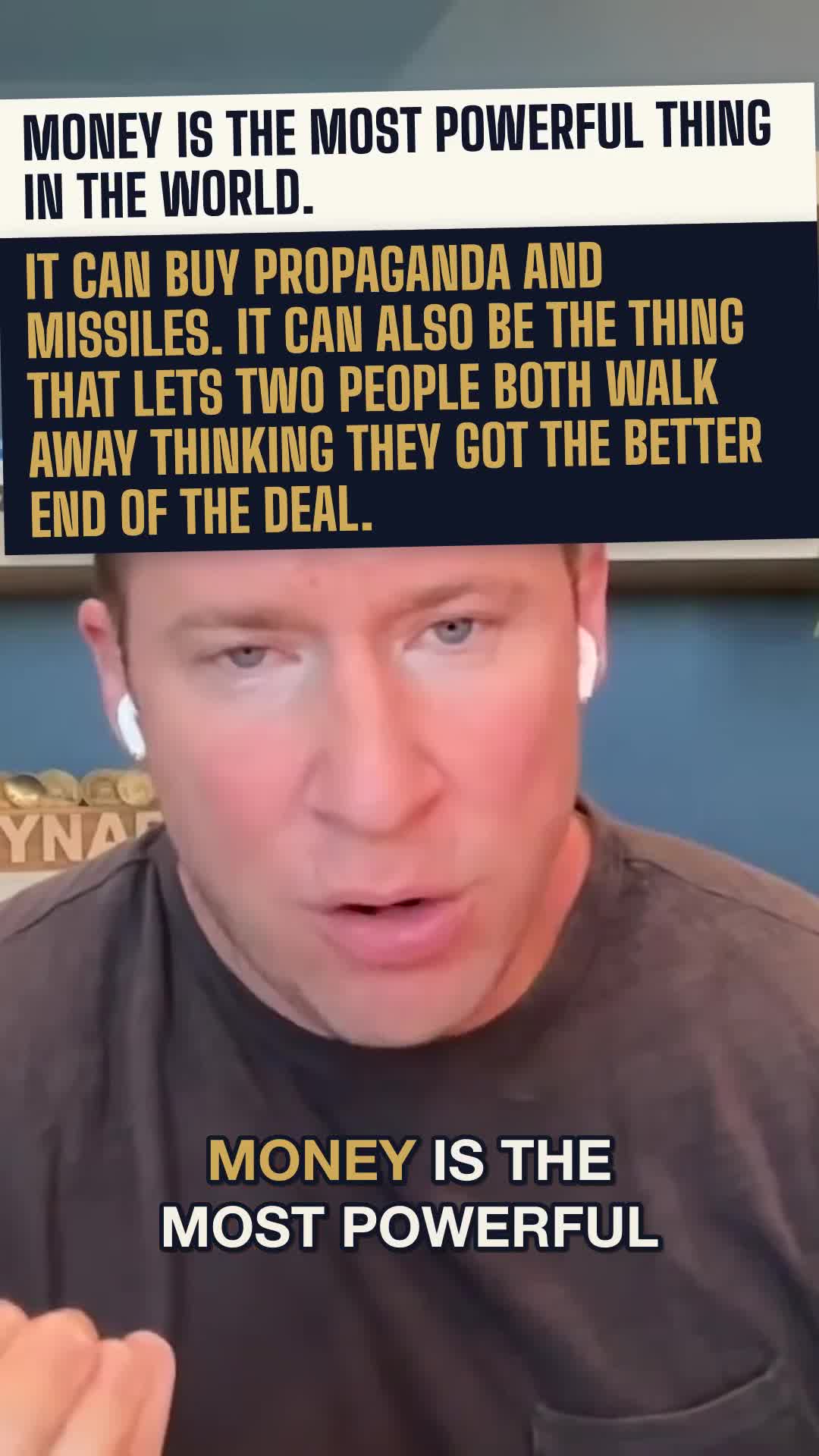
For people earning serious money, Jesse's message gets sharper. "You can always catch up to your spending. You can never out-earn it." But the bigger point is this: the more economic power you have, the more important it is to deploy it genuinely. Jesse tells the story of a Dallas family that took stewardship of a stretch of river for generations, not as a tax strategy, but as an expression of who they are. That's spendfulness at scale. "All of the good in this world is from people deploying their economic power usefully and well," he says. The question isn't how much you have. It's whether what you do with it actually looks like you.

Quotable

Lines worth sitting with

All the time we spend earning money and then we don't even enjoy spending it. You can't enjoy using the thing you're giving your life to get. It's really a tragedy.
Jesse Mecham
Money is you. If you earn a lot of it, great. But when you give yourself for that money, we want to make sure that that money turns around and serves you well.
Jesse Mecham
Scarcity is a clarifier. When you give every dollar a job, it's all spoken for, and you start to feel the tradeoff.
Jesse Mecham
People just acclimate to chronic money pain. And when they get off it, oh, it's fun. It's fun to watch.
Jesse Mecham
Free · No. 24 of the series

I make good money and I'm still stressed about it
Reflection Worksheet

The episode is 1h 26m. This worksheet is fifteen minutes. The fifteen minutes is the part that changes anything: five questions from this exact conversation, pointed at your business and your life. Answer them on paper while the ideas are still fresh, and they become yours for good.

  • What This Money Is For
  • Your Spending, Your Portrait
  • Name The Rainy Day
  • Feel The Trade
  • Give The Next Dollar A Job
You get this worksheet plus the full 75-worksheet binder, free.
5 prompts, 1 pagePrintable, binder-readyFree, no spam
Open the full worksheet →
Clips · grab & share

Short highlights from the episode

Short clips from this episode are on the way. Watch the full episode while we cut them.
The guest

Meet Jesse Mecham

Jesse Mecham on the MaxLife Podcast

Jesse Mecham

Founder of YNAB (You Need A Budget) & pioneer of the spendfulness movement

Jesse Mecham built YNAB from a spreadsheet he made for himself and his wife in grad school into the world's leading personal budgeting platform. He teaches one principle, give every dollar a job, and five questions that help anyone, from broke to wealthy, align their spending with who they actually want to be. He's currently writing a book called Spendful.

Questions, answered

Questions & answers

How do I stop financial stress even when I make good money?
Financial stress is almost never an income problem, it's a clarity problem. Jesse Mecham's research shows people can eliminate money anxiety without earning a single dollar more, simply by giving every dollar a job and feeling their trade-offs before they spend. When your spending reflects your actual priorities, the second-guessing stops.
What is YNAB and how does it work?
YNAB (You Need A Budget) is a budgeting app built around one principle: give every dollar a job. Rather than tracking what you already spent, it has you assign every dollar a purpose before you spend it, using five questions that cover your current reality, upcoming expenses, stability, goals, and flexibility. The goal isn't restriction, it's alignment between your money and your life.
Why do high earners still live paycheck to paycheck?
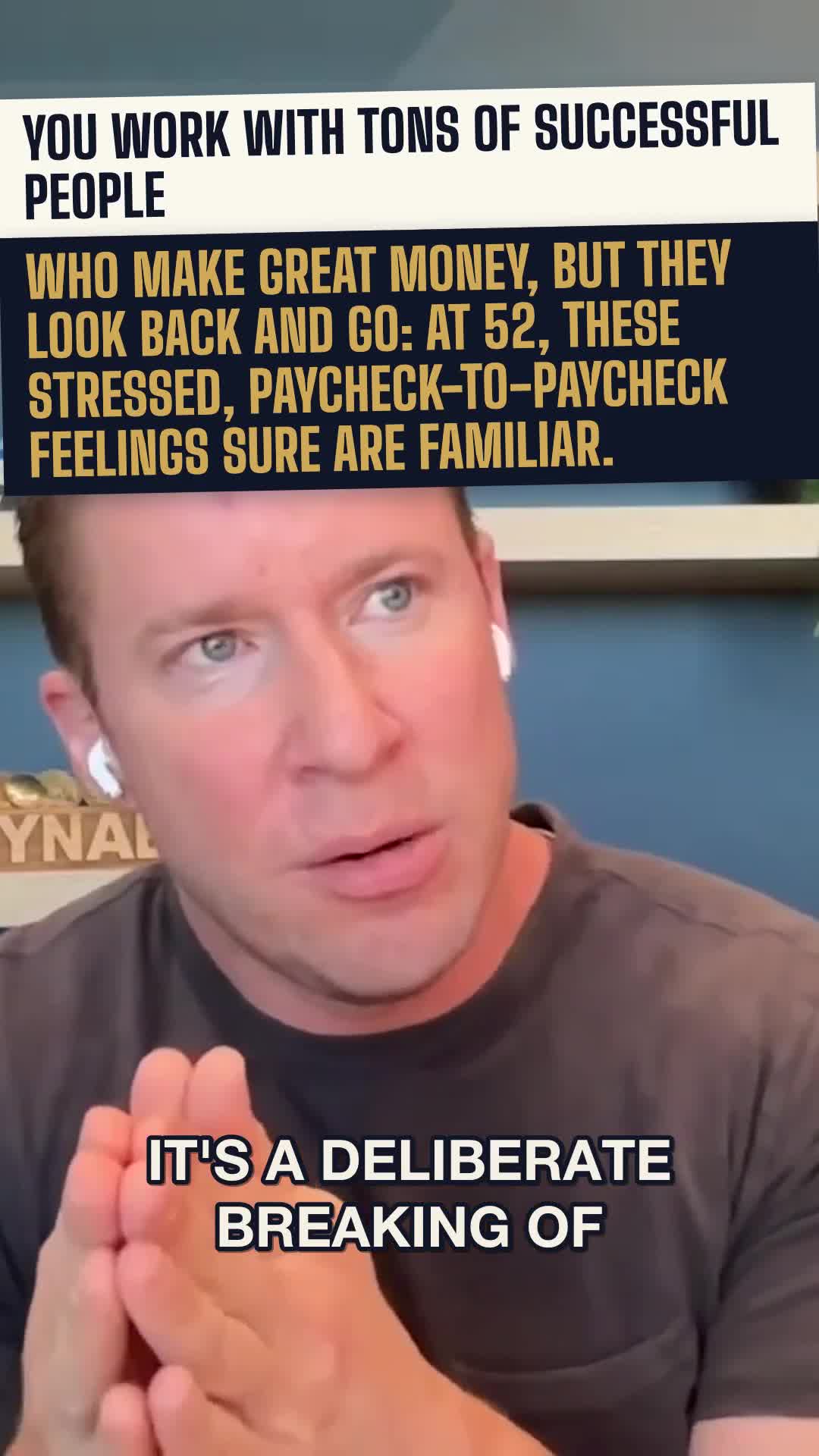
Because income doesn't fix the underlying habit of spending without intention. Jesse explains that people who see a lot of money flow through their system often feel the same stress at 52 making great money that they felt at 28, the feelings are familiar because the behavior hasn't changed. More money just means more room to repeat the same patterns at a higher level.
Is saving money always the right move?
Jesse reframes savings as future spending, it's money you're setting aside to spend later, not money you're hoarding forever. The problem with the word 'savings' is that it becomes a sacred cow people feel guilty touching. Name your savings categories specifically, car tires, home repair, vacation, and the guilt disappears because you know exactly what the money is for.
What does 'give every dollar a job' mean in practice?
It means every dollar you have right now gets assigned to a specific purpose before you spend it. You're not tracking the past, you're deciding the future. When a new expense comes up, you check your plan, feel the trade-off, and either fund it by moving money from somewhere else or decide it's not worth it. The bank balance stops being your decision-maker.
How does budgeting help with money mindset?
Jesse argues that budgeting, or what he calls being spendful, is fundamentally an act of self-knowledge. The more you practice giving every dollar a job, the better you understand what you actually value versus what you think you should value. Over time, the 'shoulds' drop away and you're left with genuine wants, which is where real contentment lives.
Share kit

Help spread this episode

Ready-to-post copy for guests and fans. Grab a caption, pick a clip above, and link this page.

Copy any of these word-for-word, or make them your own. They tag the show so it shows up when you post.

Social caption — long
What if your money stress had nothing to do with how much you earn? Jesse Mecham, founder of @YNAB and the mind behind the spendfulness movement, sat down with @MaxLifeBenLaws to talk about why even millionaires feel constant financial friction, and the one principle that fixes it. "All the time we spend earning money and then we don't even enjoy spending it. You can't enjoy using the thing you're giving your life to get. It's really a tragedy." If you've ever felt like you should have this figured out by now, this episode is for you. Full conversation, show notes, and a free reflection worksheet at https://maxlifecoach.com/episodes/why-millionaires-still-stress-about-money-budgeting
Social caption — short / quote
More income doesn't fix money stress, clarity does. Jesse Mecham of @YNAB joins @MaxLifeBenLaws to explain why, and what to do about it. Listen + free worksheet: https://maxlifecoach.com/episodes/why-millionaires-still-stress-about-money-budgeting
Email — share with your audience
Subject: This episode changed how I think about money

Hey,

I just listened to Ben Laws' conversation with Jesse Mecham, founder of YNAB, and I had to send it your way.

The core idea: financial stress isn't an income problem, it's a clarity problem. Jesse explains why even high earners feel constant money anxiety, and walks through the five questions that actually fix it (without earning a single dollar more).

There's also a free reflection worksheet at the link if you want to work through it yourself.

https://maxlifecoach.com/episodes/why-millionaires-still-stress-about-money-budgeting

Worth the listen.
Copied