MaxLife Podcast · Episode

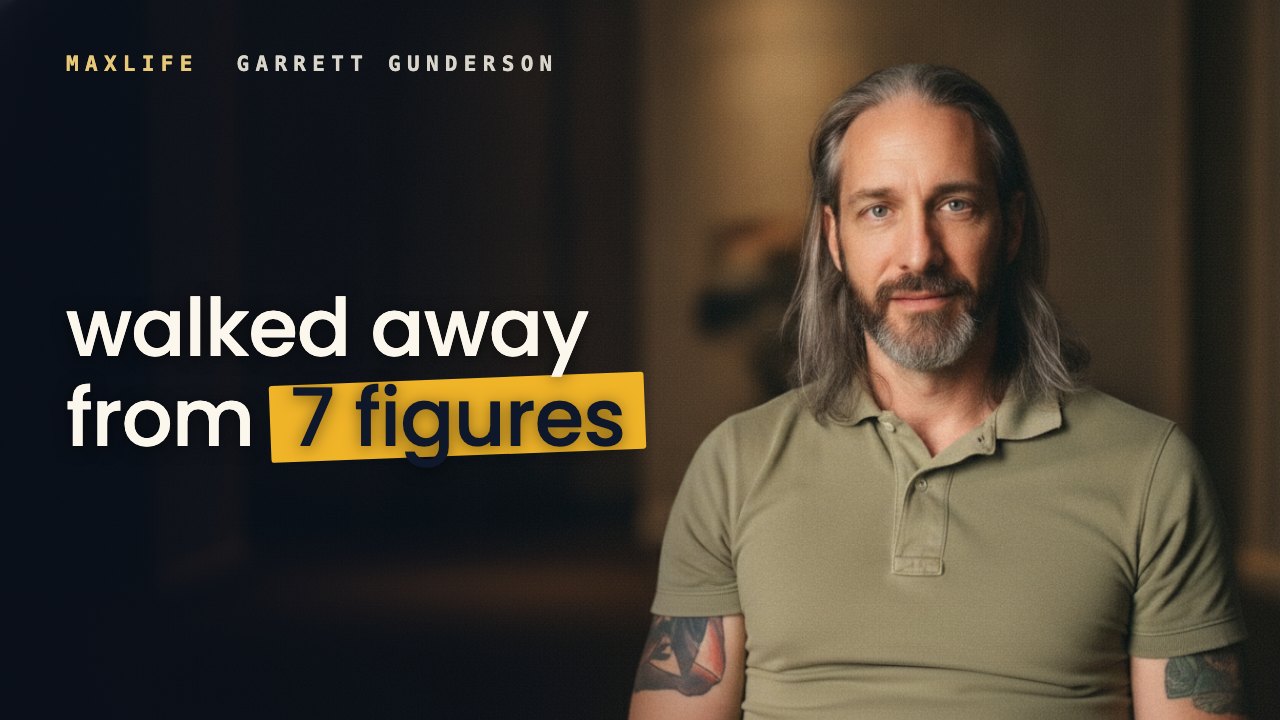
“Would You Walk Away from Seven Figures a Year to Reclaim Your Life?” with Garrett Gunderson

Garrett Gunderson was making seven figures a year and losing everything that actually mattered. This is the conversation behind the covers of the books, the part nobody posts about.

With Garrett Gunderson1h 21mWealth · Identity · Presence
The short version

Garrett Gunderson built a seven-figure business, wrote multiple bestsellers including a New York Times hit, and still found himself emotionally absent, people-pleasing, and playing a game he didn't actually want to win. The turning point wasn't a dramatic breakdown, it was his wife asking, 'When are you going to get over this?' and his own slow realization that his yeses were silent nos to the people he loved most. He eventually walked away from a seven-figure licensing deal because his values and the company's values no longer aligned. His core insight: wealth isn't net worth, it's your ability to be present. And the moment you have an agenda, you've already left the room.

Key moments
What you'll take away

9 ideas from this conversation

01

Your yes is a no to someone

Garrett's wife told him, 'Your yeses are nos to us.' Every overcommitment is a withdrawal from the people who actually matter.

02

Agenda kills presence

'As soon as I have an agenda, I'm not present.' Real intimacy, with a partner, a friend, an audience, requires showing up with nothing to get.

03

Wealth is an emotion, not a number

Garrett went from an $8 million net worth to zero in 2008 and learned that net worth was never the real measure. Wealth is your ability to be present and enjoy.

04

People-pleasing is a leadership failure

Being the buffer between people who don't get along isn't kindness, it's avoidance. Garrett saw it cost him his company and nearly his marriage.

05

You win when you play

When writing, comedy, or any work feels like play, you're more resilient, more creative, and more likely to see it through. If it only feels like grinding, check whether you actually want the destination.

06

Conditional love is the curse

'We expect people to show love the way we want it shown, not the way they show it.' Calculating how much to give based on what you expect back is how connection dies.

07

Co-create, eliminate, delegate, collaborate

Garrett's formula for every big goal, comedy special, book, business, was to find a co-creator first. Trying to do it alone is a scarcity trap.

08

Invest in the people who bring love

'I got comfortable investing heavily in the people that don't bring me notoriety but that bring me the most love.' That reordering changed everything.

09

Walk away before it costs what matters most

Garrett cut a seven-figure licensing deal because his name was on something misaligned with his values. Alignment isn't a luxury, it's the whole point.

Full show notes

#16: “Would You Walk Away from Seven Figures a Year to Reclaim Your Life?” with Garrett Gunderson

Garrett Gunderson on walking away from seven figures a year

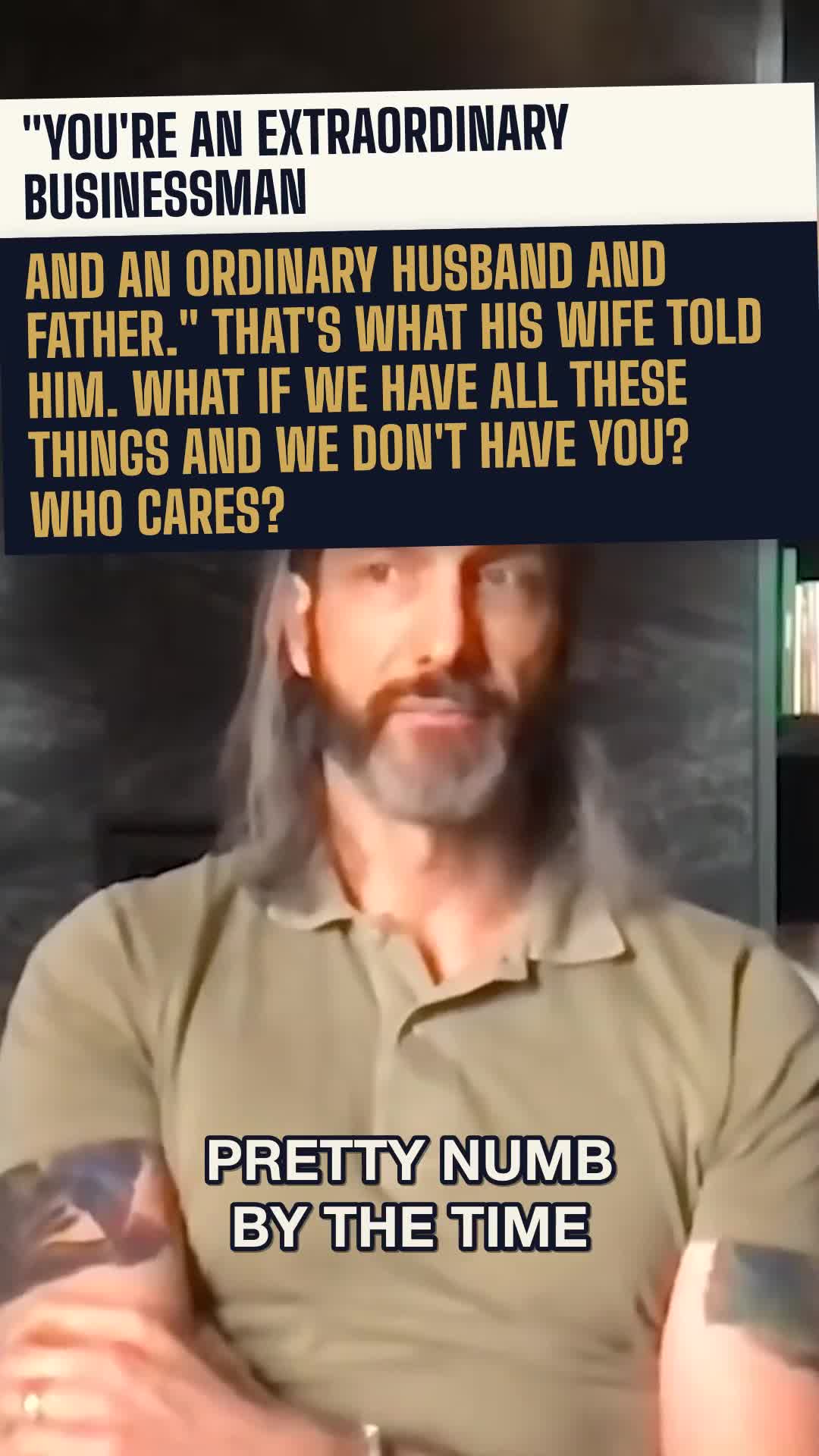
Most people only see the cover. The New York Times bestseller. The sold company. The Amazon Prime comedy special. What they don't see is the chapter where Garrett Gunderson is sitting in a Bentley being told by his wife that he's an extraordinary businessman and an ordinary husband and father. Or the chapter where he walks away from a seven-figure licensing deal because he can't put his name behind it anymore.

That's the conversation we had. And it's one of the most honest ones this show has produced.

Why saying yes too often is a silent no to your values

Garrett spent years believing he was being a team player. He was actually stuck in people-pleasing. 'I just wanted to be liked,' he says. 'I thought if I said no, people wouldn't like me. So I said yes when what I meant was no. And not only did I pay the price, my wife had to pay the price.'

His wife's line still lands: 'At what point do you realize your yeses are nos to us?' She felt like a single mom. He was on the road promoting a book while she was handling everything at home with young kids. The overextension wasn't ambition. It was a void-filling exercise dressed up as hustle.

The shift came slowly. In 2012, he committed to only ten speaking gigs, brought his family, and chose to be off-stage the moment he walked off it. Revenue dipped. Margins held. His marriage started to heal.

How to reclaim your life from work, Garrett's actual process

It wasn't a single decision. It was a series of honest reckonings. Selling Wealth Factory in 2020. Cutting the licensing deal when the values stopped aligning. Sitting with the discomfort of feeling victimized, and then hearing his wife ask, 'When are you going to get over this?', and finally moving.

'You could read my books and be like, Garrett, you should read your own books,' he admits. 'All of that is so easy to write in theory. But when there's real stakes and real emotion and true pain, it's a different story.'

The writing of Money Unmasked became the unmasking itself. The last chapter asks: what if you just had a frame that said, 'What would love do?' He didn't want to hear it. But it was the question that cracked things open.

Wealth Factory, identity, and what had to die

Garrett is clear that his identity was never the business, but the business was where he created value, and losing it left a gap he didn't expect. 'I had 2,200 people paying us monthly and I was just gone,' he says. 'I became a victim for a bit. And that's so disgusting to look back on.'

The licensing deal that followed looked clean on paper, a webinar once a month, a few ad videos, strong cash flow. But when one individual's values started pulling the company in a direction Garrett couldn't endorse, he cut it. Seven figures a year. Gone. 'I can't put my name behind this anymore. This isn't aligned with who I am.'

Presence, intimacy, and what real wealth actually costs

Garrett's definition of wealth shifted completely after 2008, when his net worth went from $8 million to zero. 'Wealth is our ability to be present. Wealth is our ability to enjoy.' Money helps with that. It can't replace it.

Intimacy, in his framing, isn't about sex, it's about being with someone with nothing to get. No agenda. No destination. Just in the moment. 'As soon as I have an agenda, I'm not present.' That applies to his marriage, his friendships, his comedy, and his writing.

The sign above the bed at his cabin reads: You're my favorite person. His 19-year-old works out with him and goes on trips with him. His 17-year-old told a friend, 'I look up to my dad. He's doing things right.' That's the return on investment he actually cares about now.

The Garrett Gunderson podcast conversation you didn't expect

This isn't a finance episode. It's a human one. Garrett talks about coal mine origins, a comedy special filmed in his own basement-turned-comedy-club, the difference between playing not to lose and playing to win, and why conditional love is the real curse on connection.

He also shares his formula, co-create, eliminate, delegate, collaborate, and why investing in the skill you want is always cheaper than the cost of not having it.

If you've been grinding toward a number that keeps moving, or saying yes to things that slowly hollow you out, this conversation is worth your full attention.
Quotable

Lines worth sitting with

I can't put my name behind this anymore. This isn't aligned with who I am. And I'm going to have to walk away from seven figures a year. And I did. That was tough.
Garrett Gunderson
At what point do you realize your yeses are nos to us? I just feel like a single mom.
Garrett Gunderson (quoting his wife)
As soon as I have an agenda, I'm not present.
Garrett Gunderson
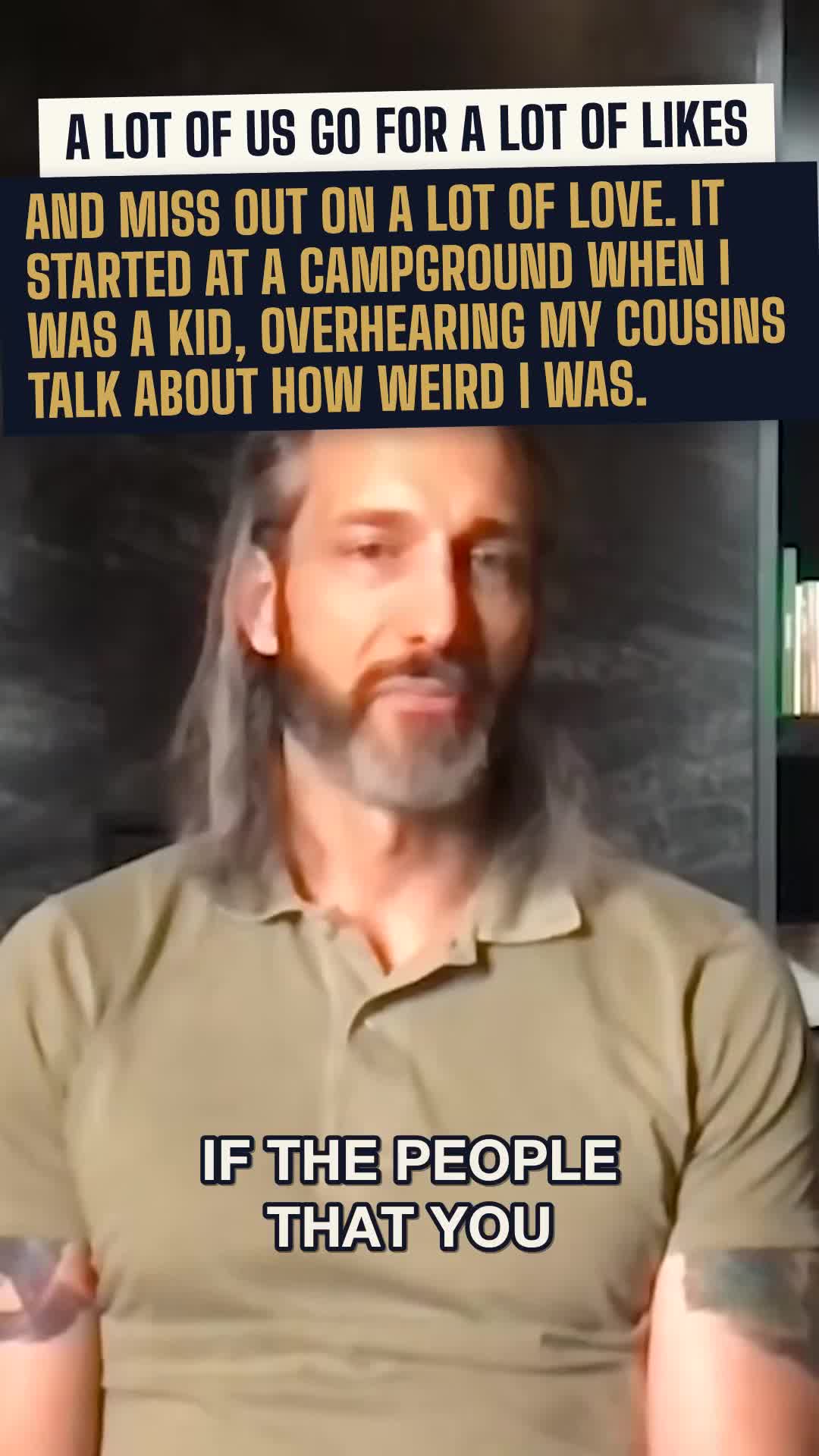
A lot of us go for a lot of likes and miss out on a lot of love.
Garrett Gunderson
Free · No. 16 of the series

I keep saying yes when I mean no, and I'm not sure who I'm doing it for
Reflection Worksheet

The episode is 1h 21m. This worksheet is fifteen minutes. The fifteen minutes is the part that changes anything: five questions from this exact conversation, pointed at your business and your life. Answer them on paper while the ideas are still fresh, and they become yours for good.

  • Where Your Yeses Go
  • Your Yes Is A No
  • Likes Or Love
  • Wealth As Presence
  • Best, Not Leftovers
You get this worksheet plus the full 75-worksheet binder, free.
5 prompts, 1 pagePrintable, binder-readyFree, no spam
Open the full worksheet →
Clips · grab & share

Short highlights from the episode

Short clips from this episode are on the way. Watch the full episode while we cut them.
The guest

Meet Garrett Gunderson

Garrett Gunderson on the MaxLife Podcast

Garrett Gunderson

Entrepreneur, author & comedian · Wealth Factory founder

Garrett Gunderson is the author of nine books including the New York Times bestseller Killing Sacred Cows and What Would the Rockefellers Do? He spent decades building Wealth Factory into a seven-figure business before walking away to reclaim his health, presence, and integrity. He also produced a comedy special on Amazon Prime, because when you win when you play, you find a way to make money funny.

Questions, answered

Questions & answers

Why did Garrett Gunderson leave Wealth Factory?
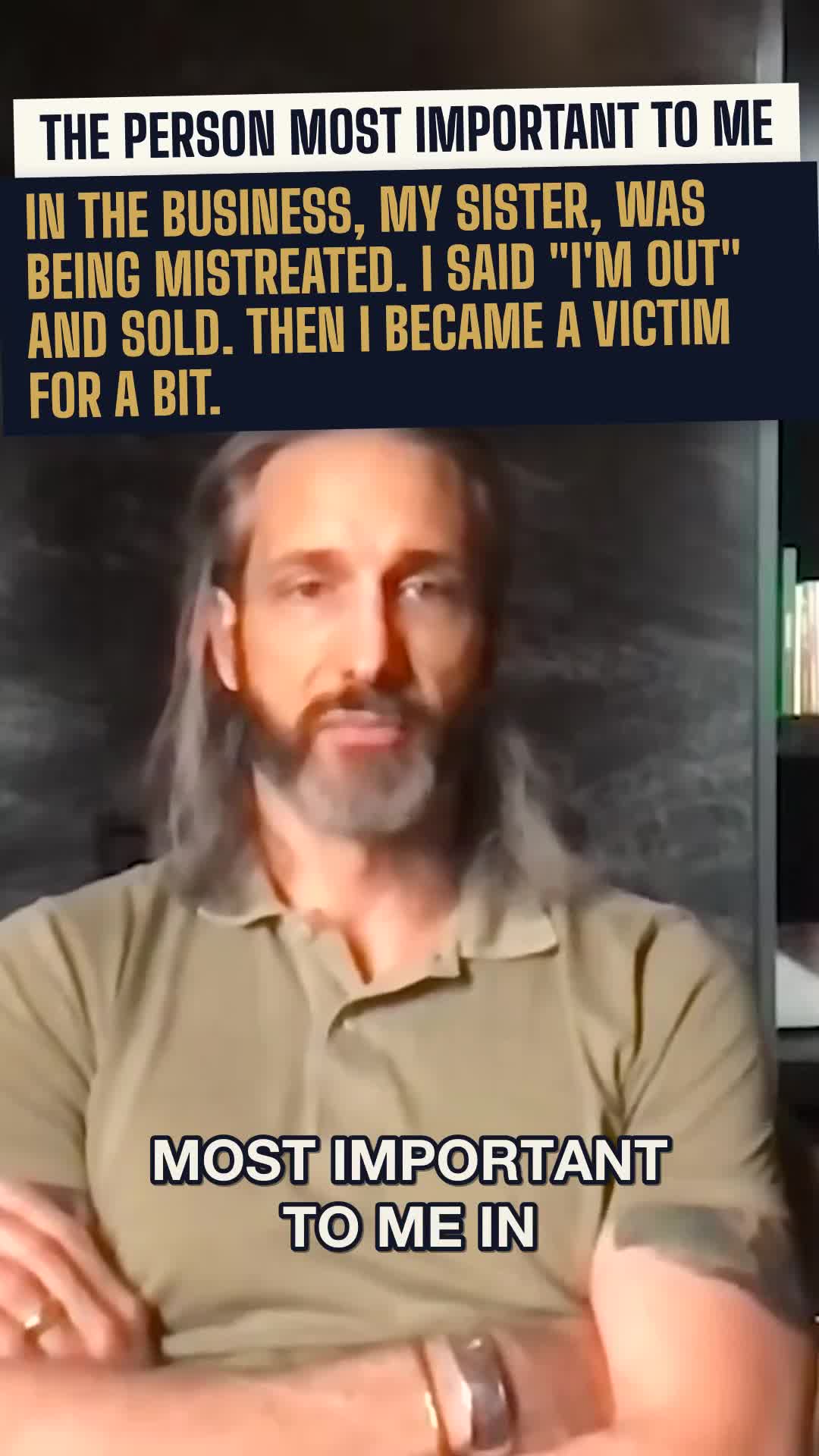
Garrett sold Wealth Factory in November 2020 after a partner mistreated his sister and the company's values stopped aligning with his own. He initially kept a licensing deal but eventually cut that too when one individual's direction conflicted with his integrity. He walked away from seven figures a year rather than keep his name on something he couldn't stand behind.
What is Garrett Gunderson's net worth philosophy?
Garrett argues that net worth is a limited and often misleading measure of wealth. After losing $8 million in net worth during the 2008 financial crisis, he concluded that real wealth is your ability to be present and enjoy your life. Money supports that, it can't replace it.
How do you reclaim your life from work when you're a high achiever?
Garrett's process wasn't a single pivot, it was a series of honest reckonings over years. He started by limiting speaking engagements, bringing his family, and choosing presence over networking. He eventually restructured his business, sold it, and cut income streams that required him to compromise his values. The through-line was learning to say a 'positive no' and recognizing that every yes to something misaligned is a no to what actually matters.
What does Garrett Gunderson say about people-pleasing?
Garrett describes people-pleasing as something he mistook for being a team player for years. He says it created resentment, suppressed honesty in his team, and cost him real intimacy in his marriage. The shift came from learning to give a 'positive no', clear, kind, and without leaving the door open for renegotiation.
What is the Garrett Gunderson comedy special about?
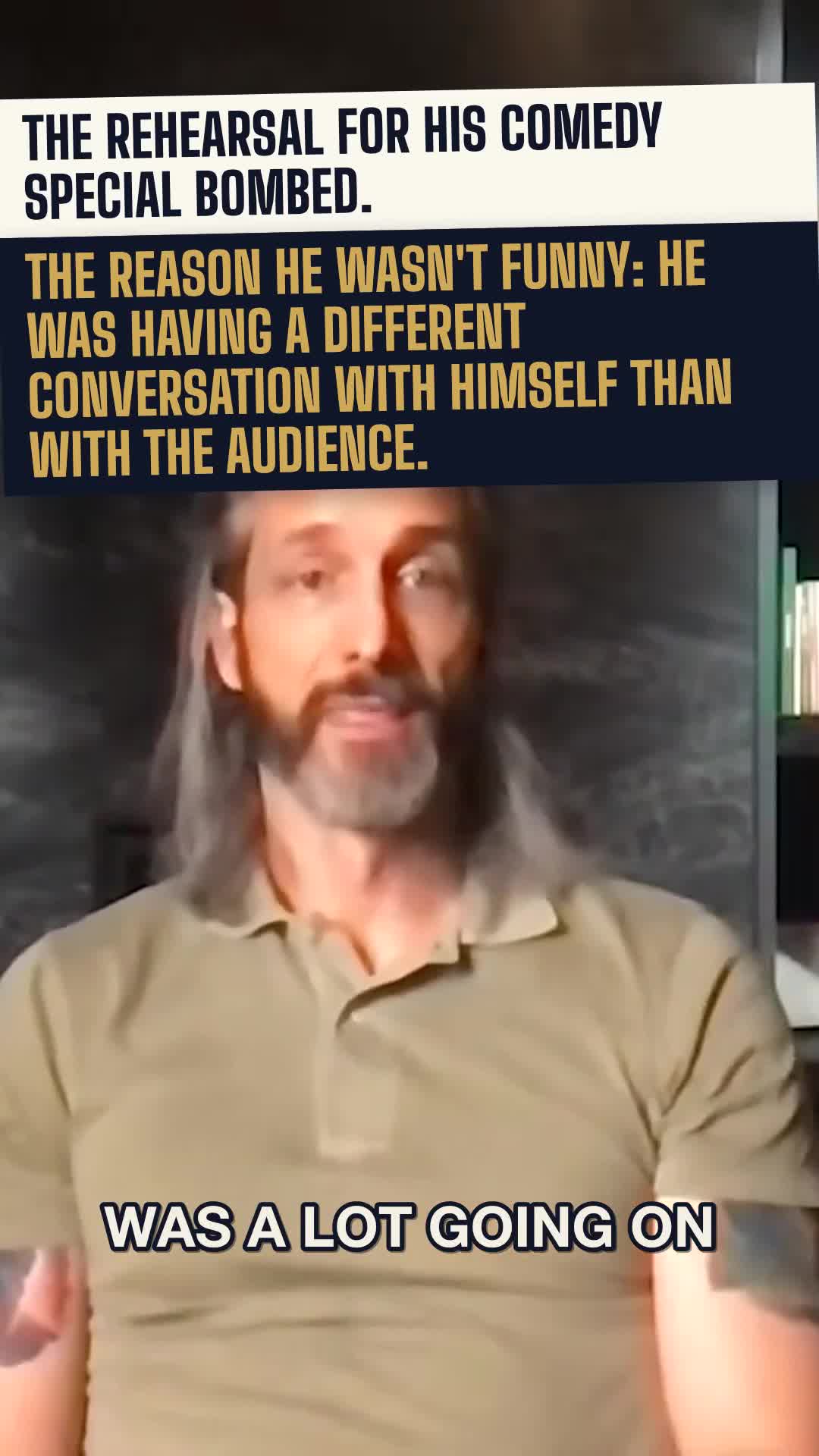
Garrett's comedy special on Amazon Prime focuses on money, making him, as he puts it, the number one funniest money comedian. He built toward it over two years, turned his basement into a comedy club, hired writers and coaches, and filmed a four-hour show. The special came out of his belief that he wins when he plays, and that humor and finance don't have to be separate.
What is Killing Sacred Cows by Garrett Gunderson about?
Killing Sacred Cows challenges conventional financial wisdom, the assumptions most people hold about net worth, investing, and wealth-building that quietly work against them. Garrett originally published it in 2007, it hit the New York Times bestseller list, and he fully rewrote it in 2023 to cut 30,000 words, add the concept of investor DNA, and make it more about the reader than about proving a point.
Share kit

Help spread this episode

Ready-to-post copy for guests and fans. Grab a caption, pick a clip above, and link this page.

Copy any of these word-for-word, or make them your own. They tag the show so it shows up when you post.

Social caption — long
Garrett Gunderson was making seven figures a year, and slowly losing everything that actually mattered. In this episode of the MaxLife podcast, he opens up about selling Wealth Factory, cutting a lucrative licensing deal because his values no longer aligned, and what his wife said that finally made him stop playing the wrong game. This is not a finance conversation. It's a human one. Full episode + free reflection worksheet at https://maxlifecoach.com/episodes/would-you-walk-away-from-seven-figures-a-year, @MaxLifeBenLaws
Social caption — short / quote
Would you walk away from seven figures a year to reclaim your life? Garrett Gunderson did. Full conversation at https://maxlifecoach.com/episodes/would-you-walk-away-from-seven-figures-a-year, @MaxLifeBenLaws
Email — share with your audience
Subject: The episode I keep thinking about

Hey,

I just listened to this conversation between Ben Laws and Garrett Gunderson and I think you'd get a lot out of it.

Garrett built Wealth Factory into a seven-figure business, wrote a New York Times bestseller, and still found himself emotionally absent and playing a game he didn't actually want to win. He eventually walked away from a seven-figure licensing deal because his values stopped aligning, and the conversation about what that cost him, and what it gave back, is one of the most honest things I've heard in a while.

Full episode and a free reflection worksheet here: https://maxlifecoach.com/episodes/would-you-walk-away-from-seven-figures-a-year

Worth an hour of your time.
Copied