MaxLife Podcast · Episode

Do the Best with the Tools You Have

Barry Friedman grew up living out of a car with no stable home, no plan, and no obvious gift, then turned an unlikely tool (juggling) into four World Championships and a career performing alongside Robin Williams, Billy Crystal, and Jay Leno. The greatest thing he learned had nothing to do with juggling.

With Barry Friedman1h 30mDiscipline · Mastery · Integrity
The short version

Barry Friedman didn't have a plan, a gift, or a stable home. What he had was a ball someone taught him to juggle at 15, at a summer camp, in the middle of a chaotic childhood spent moving schools every year and sleeping in cars. That's it. That was the tool. He picked it up anyway and built four World Championships and a 34-year career performing alongside the biggest names in entertainment. His line for it: "We're all human beings doing the best we can with the tools we have." The real lesson wasn't about juggling. It was that mastery beats raw talent, structure is what makes freedom possible, and one honest conversation can completely rewrite the course of a life.

Key moments
What you'll take away

9 ideas from this conversation

01

Discipline creates freedom, not limits

Barry's entire career is proof: the thousands of hours of structured practice didn't cage him, they gave him access to rooms and relationships he never could have imagined.

02

People don't care about your skill

"People didn't care about juggling." They care about the problem you solve for them. Your craft is the vehicle, not the destination.

03

One sentence can change a life

Gregory Hines walked backstage just to say, "Never stop doing what you're doing." Barry still carries it. The single sentence you say today may outlive everything else you do.

04

Mastery beats talent every time

Barry went from cuts in his hands from practicing to four world championships. No shortcuts, no algorithm, just more hours than anyone else was willing to put in.

05

Your shadow drives the ship until you don't let it

Jung's shadow has its own goals, and if you're not doing the work to surface it, it's making decisions for you, in your relationships, your career, and your parenting.

06

Honesty is the only clean container

"The only blocks were inside my head." When Barry finally had the hard conversation with Annie, everything that had felt impossible became possible within months.

07

Chaos in childhood isn't a life sentence

Barry had zero modeling for what a stable home, a good marriage, or conscious parenting looked like, and he built all three by choosing to learn from better models when he found them.

08

Find what gives you control first

Juggling wasn't a career plan at 15. It was the first thing that felt safe, felt in his control. That feeling is worth following wherever it leads.

09

Don't wait for something bad to force the work

Most men, Barry says, only seek growth after a divorce, a bankruptcy, or a crisis. The invitation is to start before the chain gets shaken.

Full show notes

Do the Best with the Tools You Have

Doing the best you can with what you have: Barry Friedman's whole life is proof

Barry Friedman didn't grow up with a plan or an obvious gift. Growing up moving from school to school every year, sleeping in cars, with no stable home and no roadmap, he found juggling at 15 at a summer camp, and something clicked. "I went home from that camp saying, 'Life will never suck again,'" he told Ben. "I knew from this point it was going to be different." That wasn't wishful thinking. It was the beginning of a seven-year obsession that ended with his first world championship.

The line Barry kept coming back to, the one that sums up 34 years of performing: “We're all human beings doing the best we can with the tools we have.” He didn't wait for better resources, a stable home, or natural talent. He picked up the one tool he had and went all in. The thousands of hours of practice, cuts in the web of his hand from repetition, going to sleep sore and starting again the next morning, weren't punishment. They were the price of access. Access to stages, to rooms, to relationships he never would have reached otherwise.

What performing alongside Robin Williams, Billy Crystal, and Jay Leno actually taught him

Barry opened for virtually every major act of the late '80s and '90s as one half of The Raspyni Brothers. He toured with Robin Williams for six years. He was on the road with Billy Crystal after Crystal personally called the Tonight Show to request them. He once stepped in to cover for Jay Leno when Leno's plane got stuck, and Leno never forgot it.

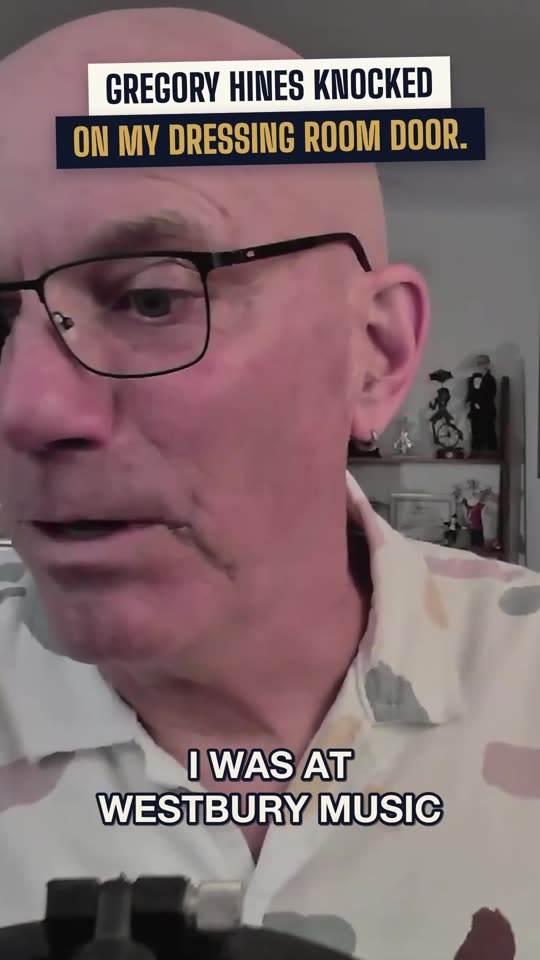
But the real education wasn't in the spotlight. It was backstage. "My career as a juggler got me into rooms I would never have had those conversations in," Barry said. He watched Robin Williams, a genius and, as Barry describes him, a scared man, and learned to ask: what part of that do I recognize in myself? He watched Gregory Hines walk away from a packed meet-and-greet just to knock on a dressing room door and say, "Never stop doing what you're doing." And he watched Roseanne Barr cut their act from 30 minutes to 10 because they were getting better reviews than she was. "I thought, 'I never want to be a person someone can tell a story like that about.'"

The shadow work behind a 40-year relationship

Barry has been with his wife Annie for 40 years, 38.5 of them married. That number didn't come easy. He spent what he estimates as ages 19 to 45, roughly 26 years, living with some version of a shadow driving the ship. When it finally came to a head, he didn't try to manage it or minimize it. He had the conversation. "I don't know what's going to happen here," he told her, "but I know on the other side of this conversation I've got to be free."

Annie said: "All that you want."

What followed, Barry says, was a reawakening, a true renaissance of the relationship. "Everything became possible. There were no blocks." He also credits a men's circle that held him accountable: he told them he was going to come clean, and he knew they'd ask him the following Thursday how it went. Accountability to a group of men who expected honesty from him made the conversation with Annie more likely, not less.

Moving to the mountains and raising a son with intention

Barry and Annie were married 15 years before their son was born. Barry was still locked up, as he puts it, in too much of his own past to feel ready. When their son arrived, something shifted. Coming home from a two-week road trip, flying back from Austin, Barry had a thought somewhere over the Southwest: what if we raised this kid in the mountains instead of visiting them?

He pitched it to his postpartum wife who had just built a community she loved in North Berkeley. She called it the worst decision they'd ever made, sitting on the front porch in October snow. By January, she had opened a Music Together center in their new foothills town and 85 families had signed up. "She's a creator too," Barry said. "We always saw that in each other, that we can just create our own realities."

The ManKind Project and what men are waiting for

Barry has been a senior staffer with the ManKind Project, participating in over 100 weekends across the country. What he kept seeing: men only show up for deep work after something bad has already happened. A divorce. A bankruptcy. A crisis. "Something has to shake their chain," he said. The invitation he extends now is to not wait. To look at the places where the shadow is driving the ship before the crash forces the question. "Where are the parts of me I hide, repress, deny, and where are those making decisions for me?" That's the work. And it's available before the bottom falls out.
Quotable

Lines worth sitting with

We're all human beings doing the best we can with the tools we have.
Barry Friedman
I went home from that camp as a 15-year-old kid saying, 'Life will never suck again.' I knew life was going to be different because of what that guy taught me out by the pool one day.
Barry Friedman
People didn't care about juggling. They wanted to be entertained. We buy something when it solves a problem.
Barry Friedman
The only blocks were inside my head, the story I was telling myself, letting that shadow part drive the ship. The other side of that? Bliss.
Barry Friedman
Free · No. 79 of the series

I keep waiting for better tools before I start
Reflection Worksheet

The episode is 1h 30m. This worksheet is fifteen minutes. The fifteen minutes is the part that changes anything: five questions from this exact conversation, pointed at your business and your life. Answer them on paper while the ideas are still fresh, and they become yours for good.

  • The thing that gave you control
  • What your discipline is actually buying you
  • The sentence you haven't said yet
  • Where your shadow is steering
  • The structure you've been avoiding
You get this worksheet plus the full 75-worksheet binder, free.
5 prompts, 1 pagePrintable, binder-readyFree, no spam
Open the full worksheet →
Clips · grab & share

Short highlights from the episode

Tap to watch. Use Copy or Share to post any clip to your own feed in one click.

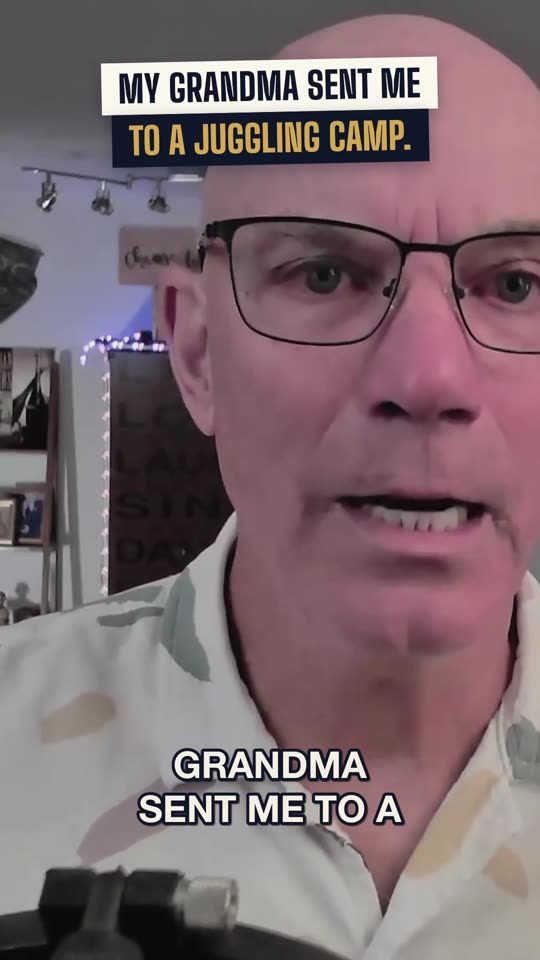
My grandma sent me to camp. It changed my whole life.
Gregory Hines left the audience just to tell me this
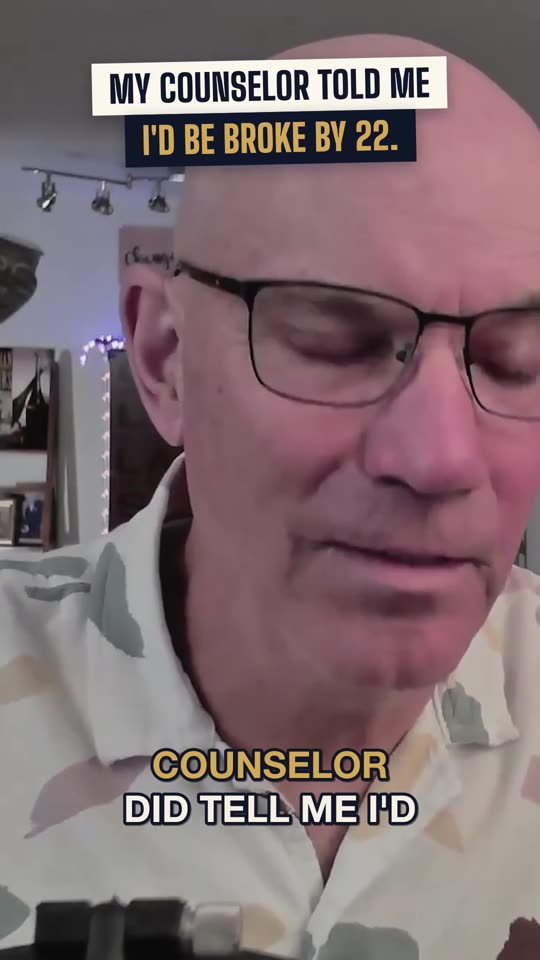
My counselor told me I'd be broke and homeless by 22
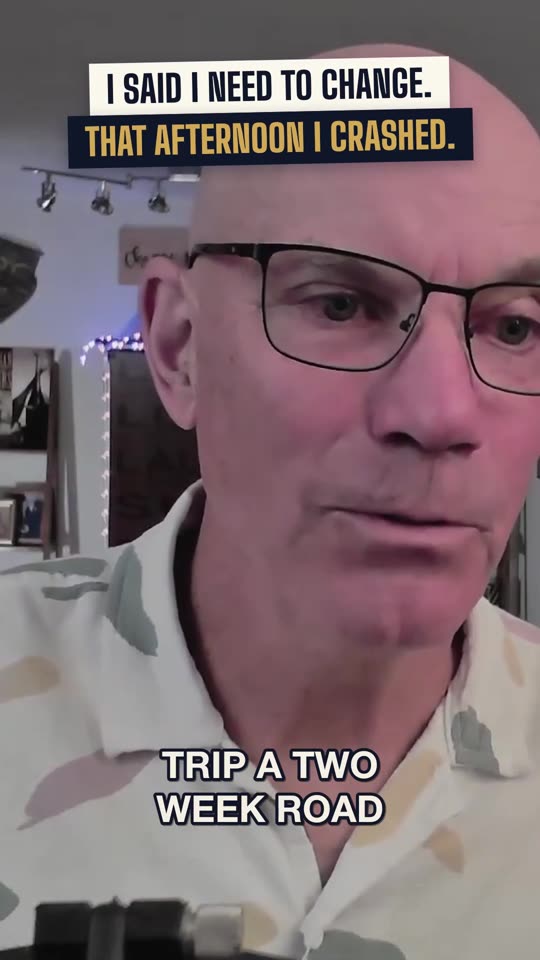
I said I needed to change. Hours later I crashed my bike.
The guest

Meet Barry Friedman

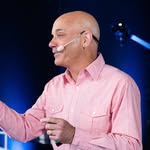
Barry Friedman on the MaxLife Podcast

Barry Friedman

Four-time World Juggling Champion, author, and creator of The ShowBiz Blueprint

Barry Friedman spent 34 years as one half of The Raspyni Brothers, four-time World Juggling Champions and six-time main stage TED performers who opened for virtually every major act in the late '80s and '90s. He's the author of I Love Me More Than Sugar, a senior staffer with the ManKind Project across 100-plus weekends, and the creator of The ShowBiz Blueprint, the gold standard in business education for professional entertainers with over 450 alumni and a Net Promoter Score of 98.8. He lives in Morro Bay, California with his wife Annie and their doodle, Molly.

Questions, answered

Questions & answers

What does "do the best with the tools you have" mean?
It's Barry Friedman's summary of his own life: don't wait for better resources, a stable home, or obvious talent before you start. He picked up juggling, an unlikely, low-status skill, as a kid with no plan and no stability, and built four World Championships and a 34-year career out of it. The tool doesn't have to be impressive. It just has to be the one you actually have in your hands.
Does discipline really create freedom?
Barry Friedman's entire career is a case study in this. The thousands of hours of structured practice he put into juggling, starting at 15, sleeping with cuts in his hands from repetition, didn't restrict him. They gave him access to world championships, TED mainstage appearances, and 34 years of performing alongside the biggest names in entertainment. Structure created the options. Without it, as he puts it, he could have been a bitter birthday party act his whole life.
Who is Barry Friedman the juggler?
Barry Friedman is a four-time World Juggling Champion and one half of The Raspyni Brothers, who performed at over 2,500 corporate events across 34 years and appeared six times on the TED mainstage. He opened for Robin Williams, Billy Crystal, Jay Leno, Roseanne Barr, and dozens of other major acts in the late '80s and '90s. He's also the author of I Love Me More Than Sugar and the creator of The ShowBiz Blueprint, a business education program for professional entertainers.
How do you build mastery when you don't have natural talent?
Barry didn't come from a performing family or have any obvious path to a career in entertainment. What he had was obsession and a willingness to put in more hours than anyone else. He broke down every skill he wanted to learn, often from a single still image in a book, pre-YouTube, and drilled it until it was automatic. His advice: find the thing that feels like it gives you control, then treat the hours as the price of access rather than the cost of suffering.
How do you have an honest conversation in a relationship when you're scared of what it might cost you?
Barry's approach was to separate the outcome from the obligation. He told Annie he didn't know what was going to happen, but he knew he had to be free on the other side of the conversation. He also made himself accountable to a men's circle who expected to hear how it went. The combination of internal commitment and external accountability made the conversation possible. His take: if your partner isn't willing to hear the truth, you've just saved both of you a lot of time.
What is the ManKind Project and what happens at a weekend?
The ManKind Project runs initiation weekends designed to help men surface and examine the parts of themselves they hide, repress, or deny, what Carl Jung called the shadow. Barry has staffed over 100 of these weekends across the country. He describes most men arriving only after something has forced their hand, a divorce, a crisis, a collapse. The work is about identifying where the shadow is making decisions and choosing to take the wheel before the crash.
Can a chaotic childhood affect your adult relationships?
Barry is direct about this: yes, and it will keep affecting them until you do something about it. He spent roughly 26 years with what he calls his shadow driving the ship, patterns rooted in a childhood with no stable home, no emotional modeling, and no examples of what a healthy relationship looked like. The turning point wasn't therapy alone. It was a combination of finding better models, doing men's work, and having the honest conversation he'd been avoiding. The shadow doesn't disappear, but you can stop letting it steer.
Share kit

Help spread this episode

Ready-to-post copy for guests and fans. Grab a caption, pick a clip above, and link this page.

Copy any of these word-for-word, or make them your own. They tag the show so it shows up when you post.

Social caption — long
Barry Friedman grew up living out of a car, was told by his high school counselor he'd be broke and homeless by 22, and went on to become a four-time World Juggling Champion who performed alongside Robin Williams, Billy Crystal, and Jay Leno on the biggest stages in the world.

But the most important thing he ever learned had nothing to do with juggling.

In this episode of the MaxLife podcast, Barry and @MaxLifeBenLaws go deep on why doing the best with the tools you have beats waiting for better ones, what it actually looks like to do shadow work inside a 40-year relationship, and why one honest conversation can completely rewrite the course of your life.

This one is worth your full attention.

https://maxlifecoach.com/episodes/do-the-best-with-the-tools-you-have
Social caption — short / quote
"Life will never suck again." Barry Friedman said that at 15, after learning to juggle at summer camp while living out of a car. He meant it. Four world championships and 34 years later, he's on the MaxLife podcast with @MaxLifeBenLaws talking about doing the best with the tools you have, and what it took to build a life worth living. Link in bio or here: https://maxlifecoach.com/episodes/do-the-best-with-the-tools-you-have
Email — share with your audience
Subject: You have to hear this one, Barry Friedman on MaxLife

Hey,

I just listened to this episode of the MaxLife podcast and I keep thinking about it.

Barry Friedman grew up moving schools every year, living in cars, with no stable home and no roadmap. A summer camp counselor taught him to juggle at 15 and he said, "Life will never suck again", and then spent the next seven years practicing until his hands bled to prove it. Four world championships, six TED mainstage appearances, and 34 years performing alongside Robin Williams, Billy Crystal, and Jay Leno later, the most important lesson he has isn't about juggling at all.

It's about doing the best with the tools you have, what shadow work actually looks like inside a real marriage, and how one honest conversation can change everything.

Worth an hour and a half of your time: https://maxlifecoach.com/episodes/do-the-best-with-the-tools-you-have
Copied