MaxLife Podcast · Episode

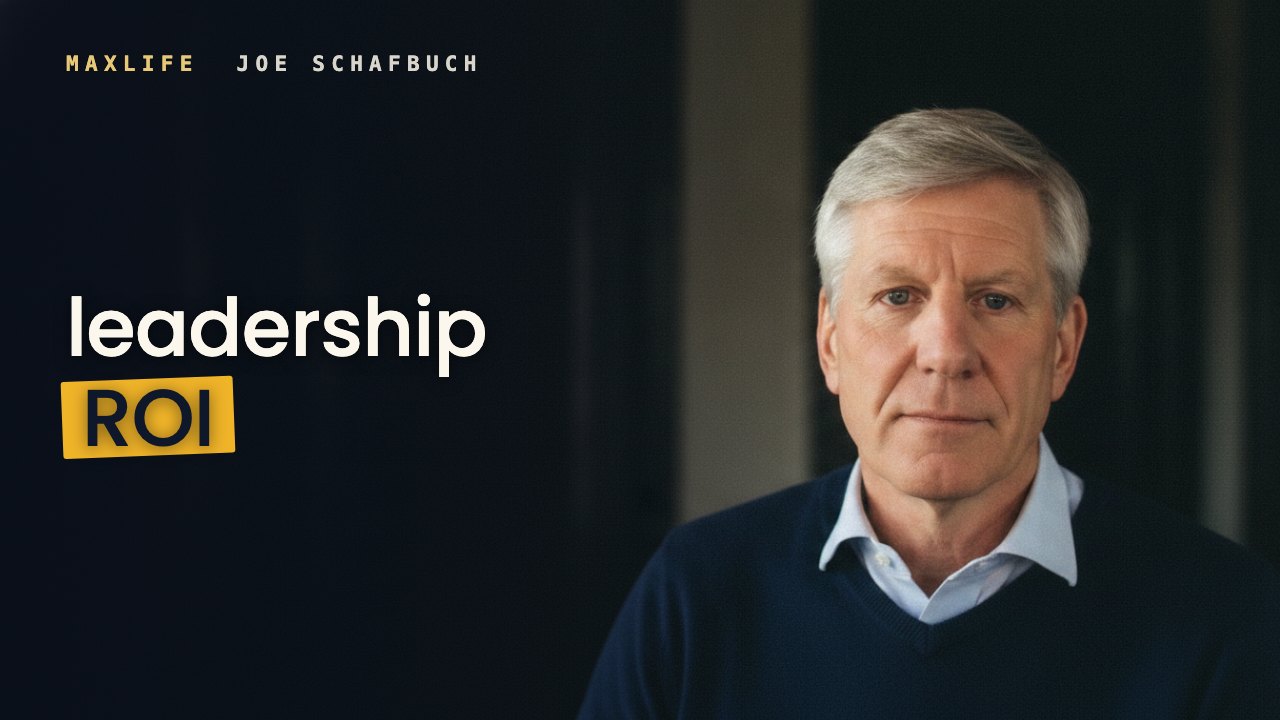
Leadership ROI: Why Hardship Builds Better Teams with Joe Schafbuch

Joe Schafbuch went from hitchhiking across the Midwest to leading one of the top Century 21 franchises in the country. The through-line wasn't luck or talent, it was a stubborn belief that you build with people, not on them.

With Joe Schafbuch48mLeadership · Real Estate · Entrepreneurship
The short version

Joe Schafbuch bought a real estate brokerage at 45 with no license, no industry experience, and seven kids at home. Twenty years later that company sits in the top 10 of all Century 21 franchises nationally and has been named a top workplace in Iowa four years running. His core argument is simple: most businesses fail because owners chase short-term numbers instead of investing long-term in the people who produce them. Hardship, Joe says, is a better teacher than early success because it forces you to actually assess what went wrong and adjust your attitude, not just your tactics. The leaders who build lasting teams are the ones who see talent that outgrows its position and celebrate it instead of feeling threatened by it.

Key moments
What you'll take away

9 ideas from this conversation

01

Build with people, not on them

Joe watched two industries extract value from employees and decided his company would do the opposite. That single decision became the foundation of a top-10 national franchise.

02

Hardship is the real teacher

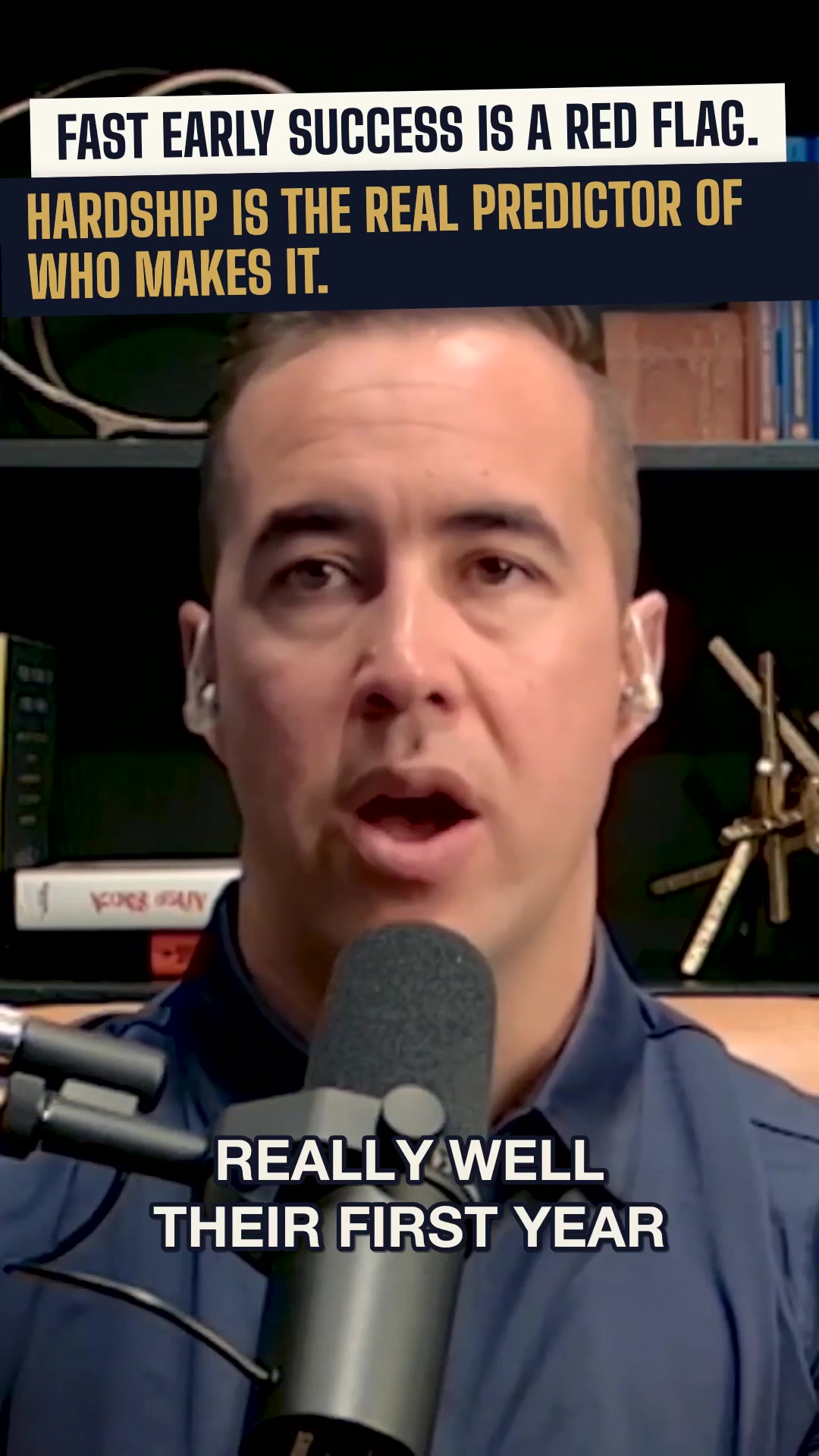
"I just think hardship is really good for us." Early success tells you a story that may not be complete enough to write the next chapter.

03

Change your attitude, change your life

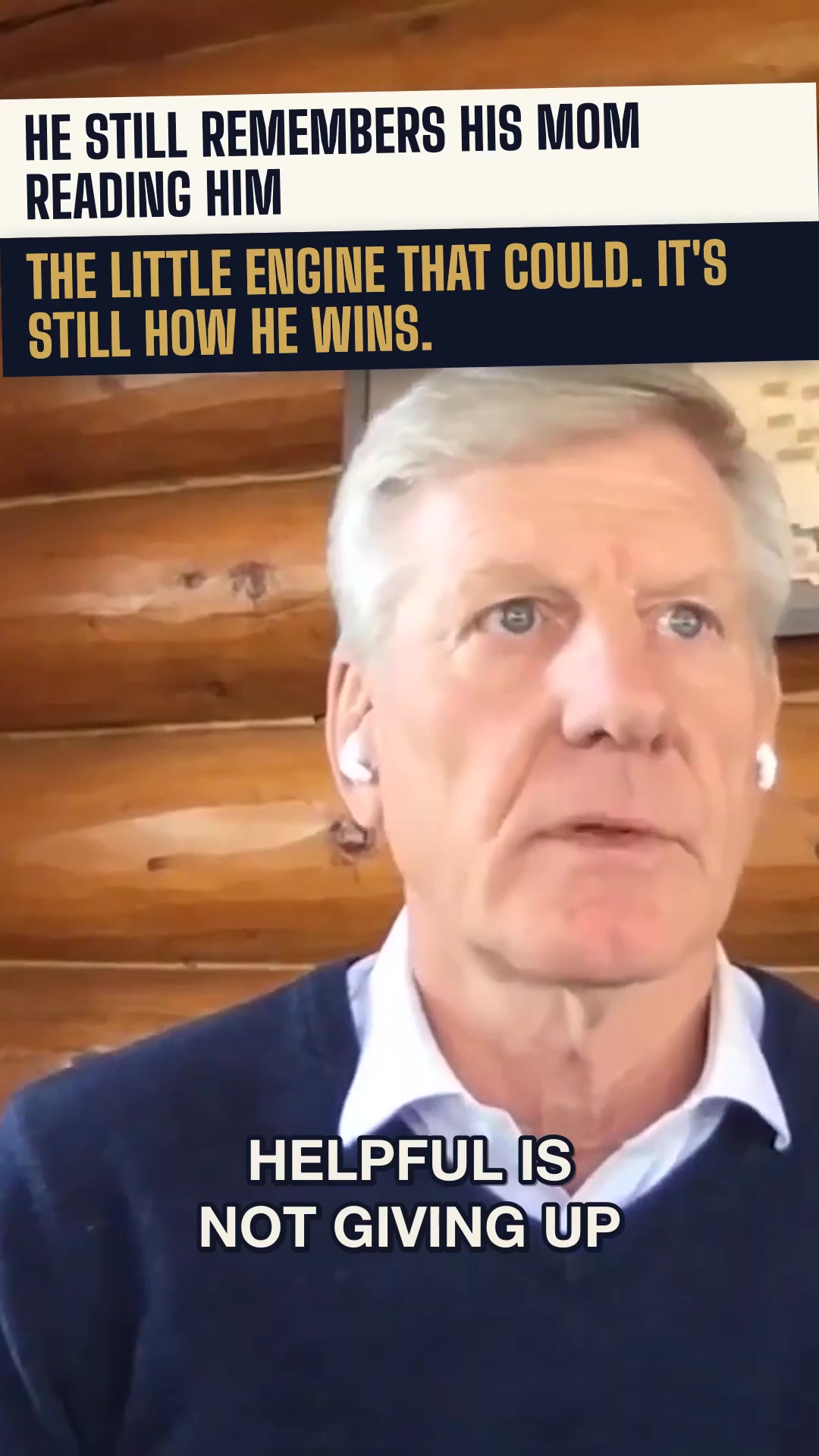
Joe's go-to line with his kids applies just as hard in business: your circumstances can shift fast when you change how you're looking at the people and situations in front of you.

04

Assess the failure, don't just survive it

Most people move past failure without asking what it actually taught them. The ones who grow are the ones who stop and ask, "What did I learn, and is it worth repeating differently?"

05

Talent that outgrows its role is a gift

When Joe saw Bonnie had more to give than her position allowed, he said so out loud. Seeing potential and naming it, instead of hoarding it, is what separates builders from extractors.

06

Vision has to be deeper than money

"If your attitude is following your bank account, it really won't work." A clear purpose is what carries you through the seasons when the numbers aren't cooperating.

07

Stories we tell ourselves run the show

Joe argues that most people are held back not by their circumstances but by the internal narrative that says this is bigger than me. An outside voice you trust can rewrite that story.

08

Confidence is a capability you can grow

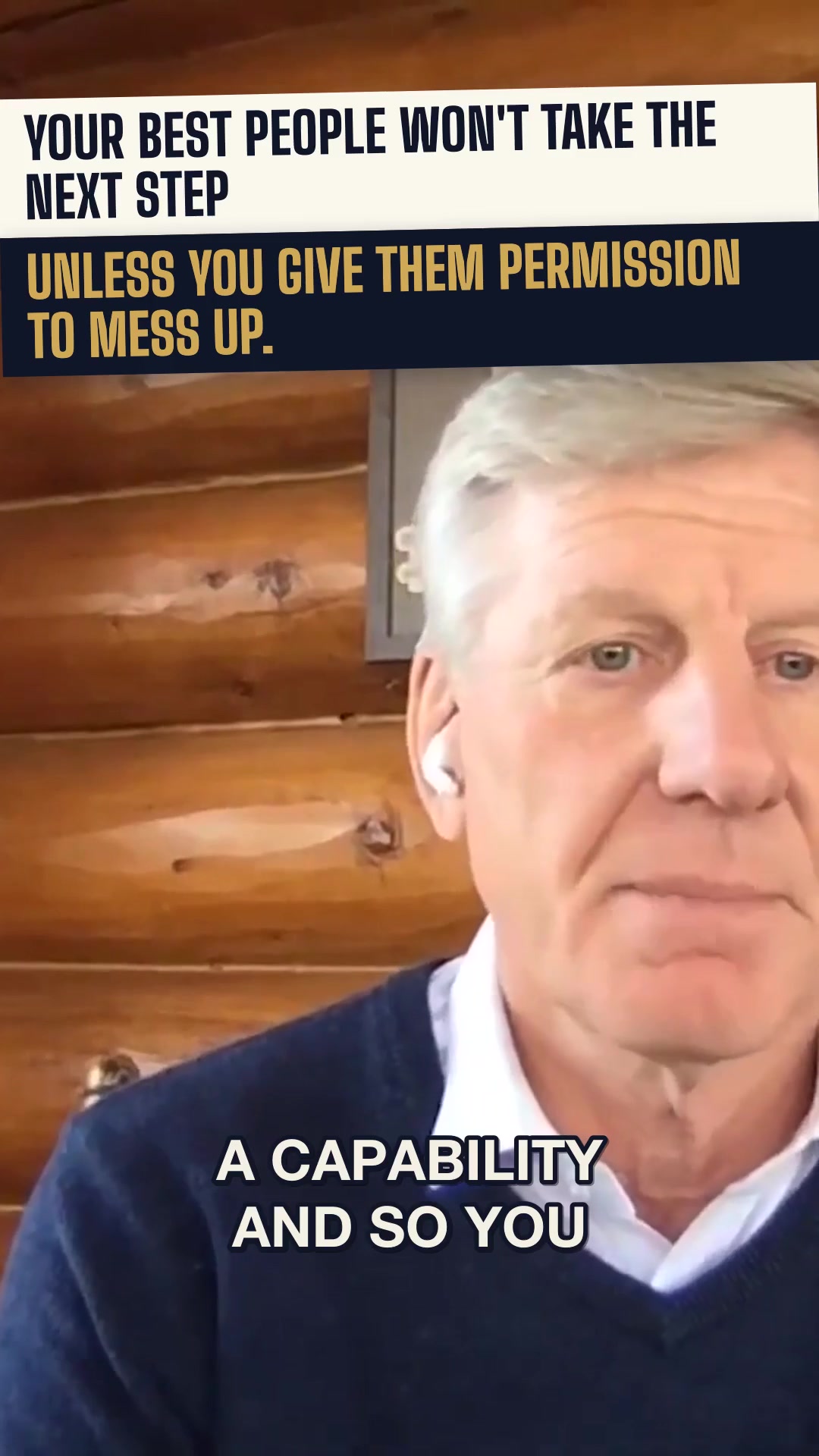
Failing fast forward, making mistakes without fearing them, is how Joe's team builds the confidence that turns good hires into great leaders.

09

If you're not growing, you're dying

Joe has read self-help and business books for decades and shows no sign of stopping. Growth isn't a phase; it's the operating system.

Full show notes

#13: Leadership ROI: Why Hardship Builds Better Teams with Joe Schafbuch

Why building a successful real estate team starts with a long-term view of people

Joe Schafbuch didn't walk into real estate with a license, a playbook, or even a desire to sell homes. He walked in at 45 years old, with seven kids at home, having just quit a job that was going well, and bought a brokerage where, as he puts it, "half of them could spell real estate and the other half were difficult." Twenty years later that company is in the top 10 of all Century 21 franchises in the nation and has been named a top workplace in Iowa four consecutive years, finishing number two in the country in 2024. The reason isn't a secret system. It's a philosophy: build with your people, not on them.

What hitchhiking across the Midwest taught Joe about leadership

Before any of that, Joe was a college student at UW-Stevens Point on a wrestling scholarship, majoring in what he calls "wildlife management", which is to say he was more interested in the road than the classroom. He started testing how far he could hitchhike on weekends and still make it back for class. Eventually the weekends got longer. What he picked up on those rides wasn't just geography. It was how to build trust fast, how to actually listen, and how to make someone feel heard in the first two minutes of a conversation. "You don't want them uneasy either when you're making a new friend," he told Ben. Those skills, trust, curiosity, presence, turned out to be exactly the ones that would define his leadership style decades later.

How early adversity sharpens entrepreneurial instincts

Joe's entrepreneurial instincts showed up early. He and his brother fished golf balls out of a pond near their dad's first post-college job and sold them back to golfers. In junior high he was buying candy at the grocery store before school and reselling it out of his locker at recess. "There is opportunity everywhere," he said, and that lens never left him. But it was the harder seasons, 13 years in the auto industry, three years in the restaurant business, watching companies extract value from the people doing the work, that gave him the clearest picture of what he didn't want to build. Hardship, Joe argues, is a better teacher than early success. "Success is a terrible, terrible teacher." The people who grow fastest are the ones who fail, stop, assess what actually happened, and adjust, not just their tactics, but their attitude.

The real ROI of investing in your team

When Ben asked Joe for the top three things a new business owner must do to build a strong team, Joe didn't lead with systems or hiring frameworks. He led with vision, purpose, and the willingness to invest time in other people the same way you'd invest money in any other asset. "No different than it is your kids at home, you invest time with them, you get a better result." He pointed to Bonnie Leage as a living example: a hire who came in under her ceiling, grew visibly past her role, and eventually built something significant on her own. Joe's response wasn't to hold her closer. It was to name what he saw out loud and give her room to become it. That, he says, is what most operators miss, they see talent that threatens the org chart and tighten their grip instead of opening their hands.

The stories we tell ourselves versus the story that's actually true

One of the more honest stretches of this conversation came when Ben pushed Joe on the gap between the external story and the internal one. Joe admitted that humility, something he values deeply, can become a way of not taking up the space you've actually earned. "I don't want people to think that I did that. Like, this took a lot of people and a lot of time." Ben's response was direct: calling a win a win isn't bragging. It's like watching a sunrise and refusing to comment on it. The leaders who build the best teams are usually the ones who can hold both truths at once, I did this, and I didn't do it alone.

Mentors you meet on a page

Joe has been a Strategic Coach member for 11 of the last 15 years and credits Dan Sullivan's frameworks with some of the most significant mindset shifts of his career. Before that, Michael Gerber's E-Myth Revisited gave him permission to be a shareholder instead of trying to be the technician, the manager, and the entrepreneur all at once. Simon Sinek's Leaders Eat Last reinforced what Joe had already learned the hard way: that the leader's job is to protect the people doing the work, not to be protected by them. He reads constantly and makes no apologies for it. "If you're not growing, you're dying", and he's not interested in dying.
Quotable

Lines worth sitting with

I just think hardship is really good for us.
Joe Schafbuch
You can change your circumstances pretty fast by changing your attitude towards how you look at the world, how you look at other people.
Joe Schafbuch
Success is a terrible, terrible teacher.
Joe Schafbuch
What I wanted to do was build a company that people wanted to belong to, where the company was being built with people, not on people.
Joe Schafbuch
Free · No. 13 of the series

I want to build something people actually want to belong to
Reflection Worksheet

The episode is 48m. This worksheet is fifteen minutes. The fifteen minutes is the part that changes anything: five questions from this exact conversation, pointed at your business and your life. Answer them on paper while the ideas are still fresh, and they become yours for good.

  • On Them Or With Them
  • The Talent You're Sitting On
  • Why You Haven't Let Them Grow
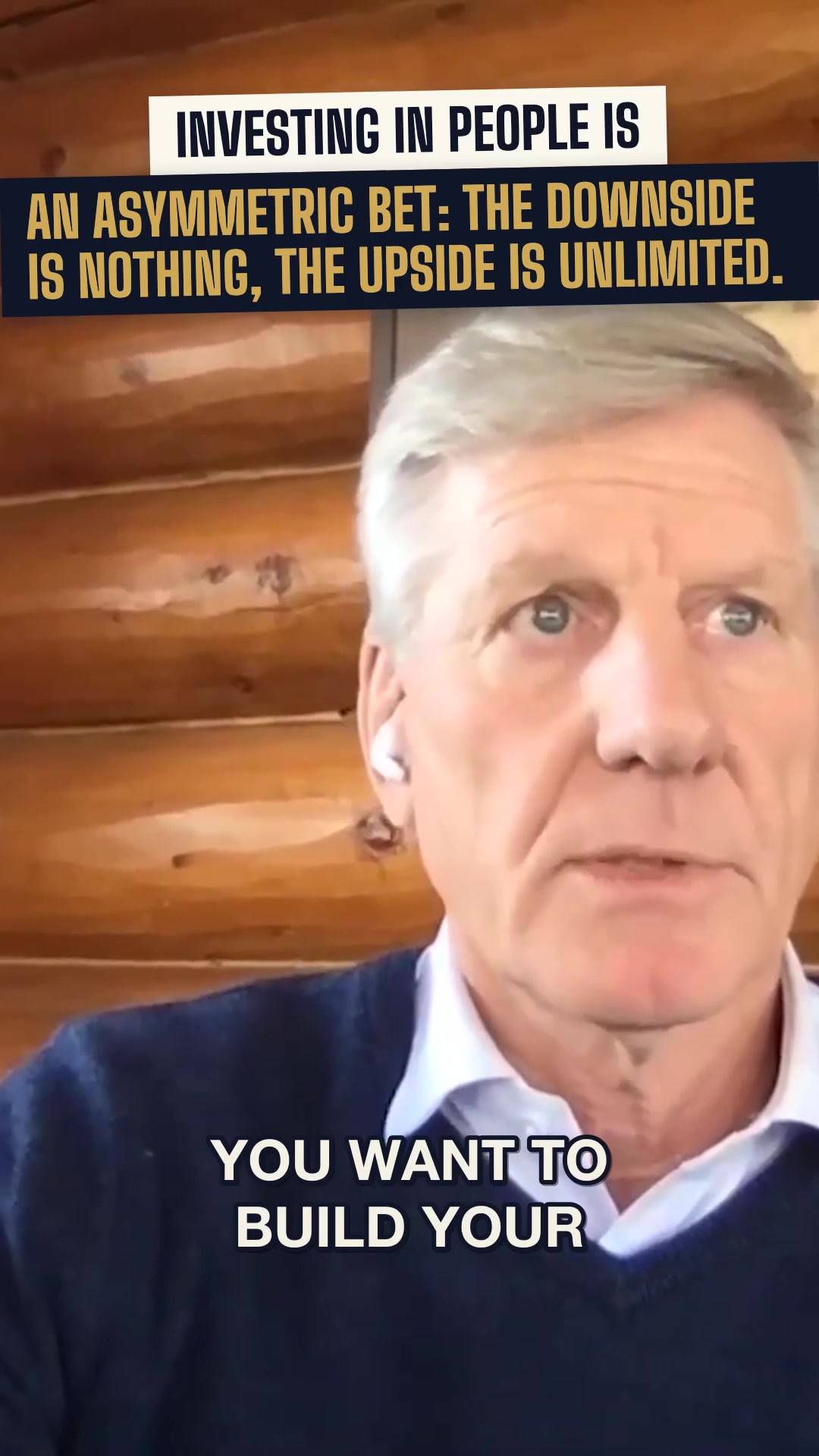
  • The Asymmetric Bet
  • One Stretch You'll Hand Over
You get this worksheet plus the full 75-worksheet binder, free.
5 prompts, 1 pagePrintable, binder-readyFree, no spam
Open the full worksheet →
Clips · grab & share

Short highlights from the episode

Short clips from this episode are on the way. Watch the full episode while we cut them.
The guest

Meet Joe Schafbuch

Joe Schafbuch on the MaxLife Podcast

Joe Schafbuch

Entrepreneur, real estate brokerage owner, Strategic Coach member

Joe Schafbuch is the founder of one of the top-10 Century 21 franchises in the United States, a four-time Iowa top-workplace winner, and a father of seven. He spent 13 years in the auto industry and three in the restaurant business before buying a real estate brokerage at 45 with no license and no industry background. He has been a Strategic Coach member for 11 of the last 15 years and credits early adversity, including hitchhiking across the country in college, as the foundation of his leadership philosophy.

Questions, answered

Questions & answers

What does building a successful real estate team actually require?
Joe Schafbuch says it starts with a vision that's deeper than profit and a genuine willingness to invest time in the people on your team the same way you'd invest money in any other asset. Short-term thinking, chasing numbers without asking what produces them, is the most common reason real estate teams stall. The leaders who build lasting teams are the ones who take a long-term view of people.
Why do so many business owners fail to invest in their teams?
Joe argues that most owners buy a business and immediately fix their eyes on profit, which creates short-term thinking. They focus on what has to happen today instead of what it takes to build something that compounds over years. The result is a company built on the backs of its people rather than alongside them.
Is early business success a good indicator of long-term performance?
Not necessarily. Both Ben and Joe agree that early success can actually be a liability because it tells an incomplete story. The people who tend to build the most durable businesses are the ones who struggled early, kept showing up, and learned to assess their failures honestly rather than just moving past them.
How do you recognize and develop talent that outgrows its role?
Joe says the first step is simply naming what you see out loud. Most people are held back by the story they tell themselves about what they can't do, and an outside voice they trust can rewrite that story. His approach is to give people permission to grow, create space for them to fail fast without fearing it, and protect their confidence while it's still being built.
What books does Joe Schafbuch recommend for entrepreneurs?
Joe points to three consistently: Michael Gerber's E-Myth Revisited, which gave him permission to be a shareholder instead of doing everything himself; Simon Sinek's Leaders Eat Last, which reinforced his people-first philosophy; and the Strategic Coach program with Dan Sullivan, which he calls one of the most life-changing investments he's made over the past 15 years.
How does attitude affect business outcomes?
Joe's core belief is that you can change your circumstances fast by changing your attitude toward the people and situations in front of you. He's used the phrase "change your attitude, change your life" with his kids and his teams for decades. The same failure, approached with a different attitude, can become fuel for the next attempt rather than evidence that you should quit.
Share kit

Help spread this episode

Ready-to-post copy for guests and fans. Grab a caption, pick a clip above, and link this page.

Copy any of these word-for-word, or make them your own. They tag the show so it shows up when you post.

Social caption — long
Joe Schafbuch bought a real estate brokerage at 45 with no license and no industry experience. Today it's a top-10 Century 21 franchise and a nationally recognized workplace. In episode 13 of the Max Life Podcast, Joe sits down with @MaxLifeBenLaws to talk about why hardship is a better teacher than early success, what it really means to build with your people instead of on them, and the long-term view of investing in talent that most operators never take. If you're building a team or thinking about buying a business, this one is worth your 48 minutes. Full episode + free reflection worksheet at https://maxlifecoach.com/episodes/leadership-roi-why-hardship-builds-better-teams
Social caption — short / quote
"Build with your people, not on them." Joe Schafbuch on hardship, leadership, and what it actually takes to build a team people want to belong to. Episode 13 of the Max Life Podcast with @MaxLifeBenLaws. https://maxlifecoach.com/episodes/leadership-roi-why-hardship-builds-better-teams
Email — share with your audience
Subject: Episode 13, Joe Schafbuch on Leadership ROI

Hey,

Thought you'd get something out of this conversation. Joe Schafbuch built one of the top Century 21 franchises in the country starting at 45 with no real estate license and no industry background. In this episode of the Max Life Podcast he talks with Ben Laws about why hardship is a better teacher than success, how to spot talent that's outgrown its role, and what separates the leaders who build lasting teams from the ones who burn through people.

Full episode and a free reflection worksheet here: https://maxlifecoach.com/episodes/leadership-roi-why-hardship-builds-better-teams

Worth the 48 minutes.
Copied