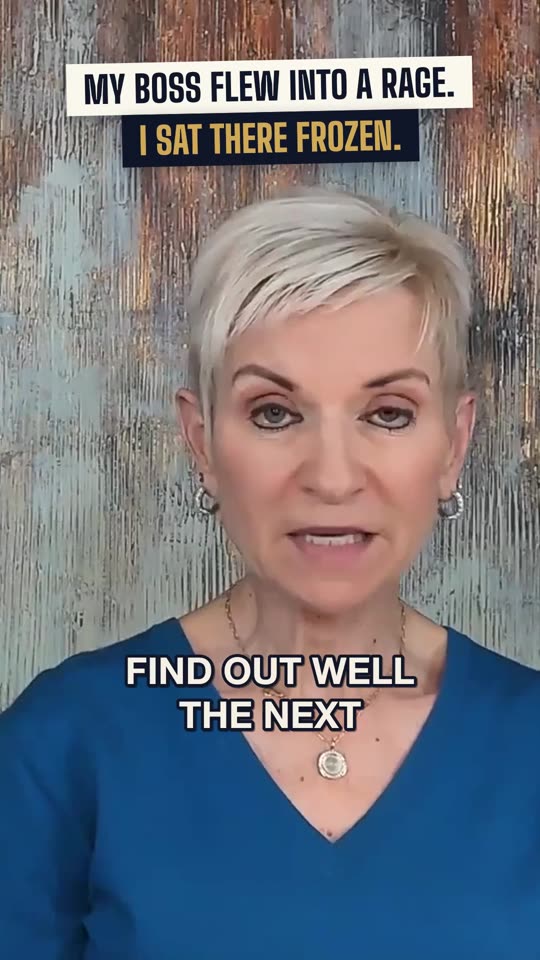
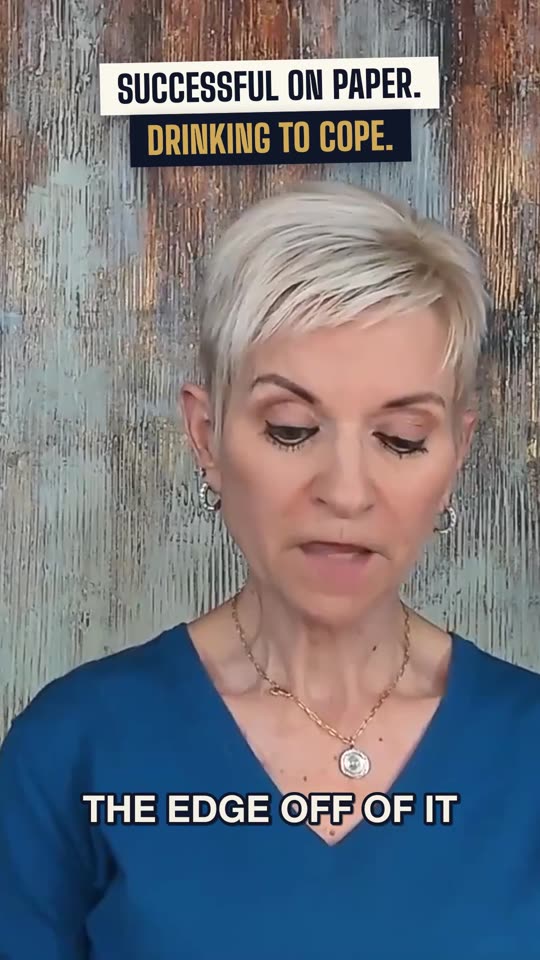
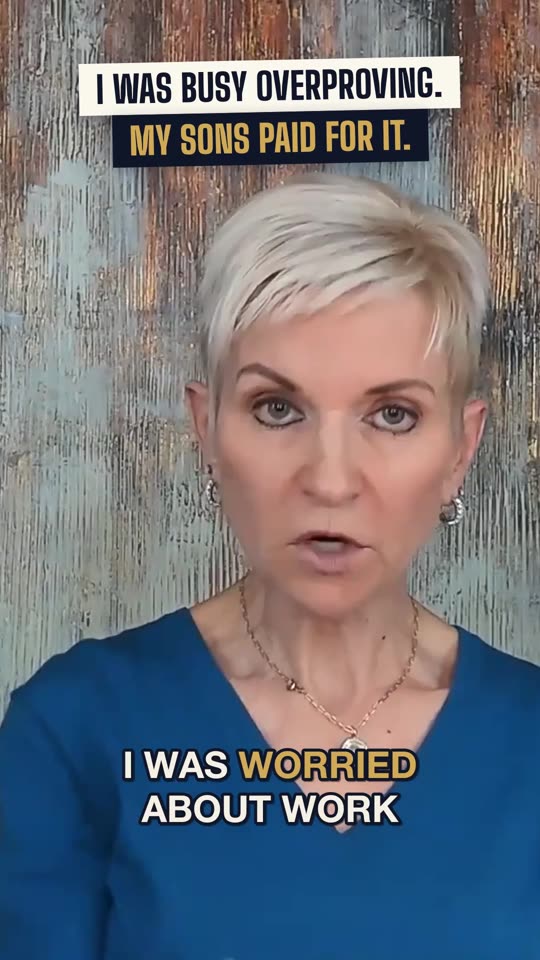
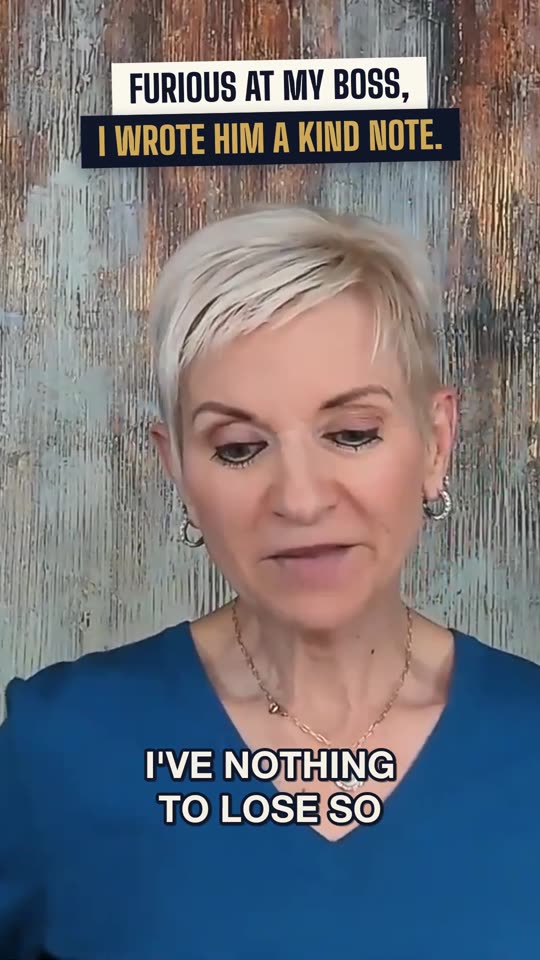
We tend to blame the obvious things for a hard day at work: the impossible deadline, the passive-aggressive email, the boss who can never be pleased. But in this episode of MaxLife, Ben Laws sits down with Susan Schmitt Winchester, a former Fortune 150 Chief HR Officer and co-author of Healing at Work, to make a quieter, more unsettling case. The hardest part of work usually isn't the work. It's the unhealed patterns we carry in with us, and the way they get triggered by the people we share an office with.
Why workplace conflict is rarely about work
Susan and her co-author Martha I. Finney built their framework around the moments we get most upset on the job. "These patterns in the workplace are happening all the time," she says, "and what we teach in Healing at Work is basically how to use all those moments when you're the most triggered to turn them into healing opportunities." The reframe is simple and hard to unsee: when someone at work sets you off, the size of your reaction is rarely about them. It's gasoline poured on a fire that was lit a long time ago.
The childhood patterns we bring to the office
The research she points to is striking. In the late 1990s, two doctors working with the CDC and Kaiser Permanente surveyed about 17,000 people about adverse childhood experiences, the ACEs. Nearly two-thirds had experienced at least one. "You go into your workplace," Susan says, "and it's very likely that two-thirds of the people you're working with or working for have experienced some of those significant things before the age of 18." Most of us walk out of childhood with beliefs about ourselves and a set of survival strategies for staying safe. Then we bring all of it to work without realizing it.
"The next person who upsets you is an avatar"
Borrowing a phrase from her teacher Selene, Susan offers the line that reframes the whole conversation: "The next person that upsets you is simply an avatar for someone from your past who triggered you." The judgmental boss, the dismissive partner, the colleague who never says thank you. Same emotional charge, new face. Once you can see the avatar, you stop fighting the person and start doing the actual work, which is yours.
Bumper car moments and the fight, flight, freeze, fawn response
Susan calls the emotional crashes "bumper car moments." Everything's fine, then someone slams into you and you're spinning. When it happens, you drop out of your prefrontal cortex and straight into your nervous system: fight, flight, freeze, or fawn. The fighters become the office bullies. The freezers stay off the radar and never speak up. (Ben coined the version that made Susan laugh: "freeze to please.") Her own pattern was fawning, formed under a father who could fly into a rage over small things. For years she read every angry authority figure as proof she'd done something wrong.
Whose property is this? Drawing the line
One of the most practical tools comes from Melody Beattie's The Language of Letting Go: property lines. "My property is my interpretations, my actions, my decisions, my consequences," Susan explains. When someone else is upset, that's their property. So the first question in any crash is simple: is this mine or theirs? "If not, I'm going to release it and recognize that I own my property." Pair that with a framework from Sue Page's work, where in every moment you choose to be a victim, villain, martyr, or leader. Three of those keep you stuck. Ben's translation for the founders he coaches: those reactive roles are low-margin businesses, and you'd never run a company that way on purpose.
The Rapid Power Reclaim: a 3-step process for getting triggered at work
Here's the tactical core of the episode, Susan's three-step Rapid Power Reclaim:
1. Create choice. You can't problem-solve from fight-or-flight, so first you move the charge out of your body through sound, movement, or breath. Susan keeps a $5 plastic baseball bat in her office and whacks a couch with it. She does silent screams. She's done somersaults. "There's no right or wrong way," she says. The body keeps the score, so the body is where you start.
2. Elevate action. Once you're calm and back in your executive brain, you ask: what's the highest-functioning response here, instead of the reactive one? Often it's choosing not to personalize what was said, or extending compassion to the person who triggered you. As her coach once told her before a stressful board meeting, switch from judgment to compassion, because the other person feels the energy you're carrying.
3. Celebrate and integrate. When you do something different, you mark it. Step outside, feel the sun, take the win. "You're anchoring it into your identity," Susan says. That celebration is what rewires the neural pathway so the new response becomes the default.
The 90-second rule
The reason this works is biological. Susan cites Harvard neuroscientist Dr. Jill Bolte Taylor, whose research showed a strong emotion physically moves through the body in about 90 seconds. After that, it's the story we keep telling that keeps the feeling alive. Give the emotion its 90 seconds, let the body release it, and then choose.
Healing at work in the age of AI
Ben pushes on a bigger thesis: as AI absorbs the transactional parts of work, the human part becomes the whole job. Susan agrees that Healing at Work only gets more relevant. "Even in an AI relationship, the human still has to be the leader," she says. The bumper car crashes don't go away when the tools get smarter. The two capabilities she calls non-negotiable for the future, AI or not, are self-awareness and the ability to self-regulate.
Damage is not doomed
Susan is 22 years sober and open about how she once used alcohol to regulate a nervous system no one taught her how to calm. Her closing line is the one to keep: "Damage is not doomed, and the rest of your life is yours." The patterns were learned in an environment you didn't choose. That's exactly why they can be re-learned, starting with the very next person who manages to set you off.