MaxLife Podcast · Episode

Agency Founder: We Lost 80% Of Our Revenue In 6 Months, Here's What It Taught Me

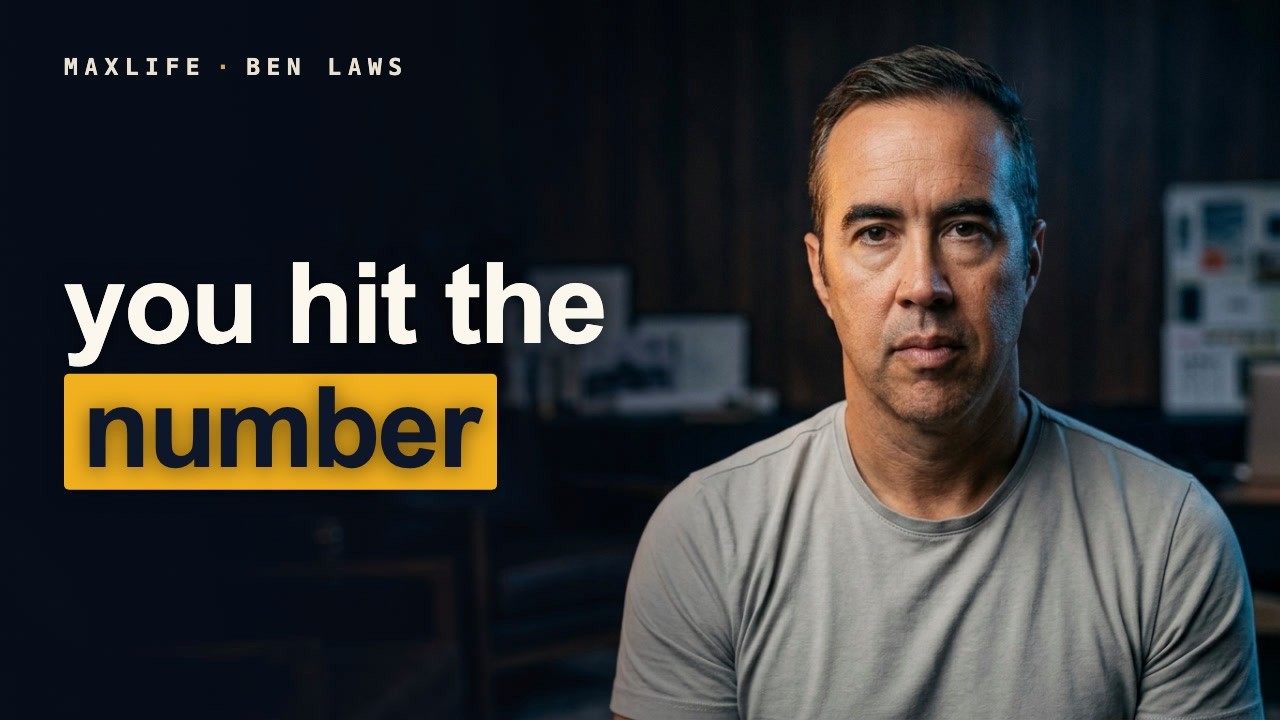
You hit the number. Then 80% of the revenue walked out the door. Tim Dyer on the false summit, the story you've been hiding, and the B plot that's been chasing you the whole time.

With Tim Dyer36 minStorytelling · Founder Identity · Exit
The short version

A false summit is the moment a founder hits the milestone they were chasing (the revenue number, the big client, the exit) and believes they've arrived, only to find there's a whole climb on the other side. Tim Dyer's agency hit one in 2015 and 2016: a roughly $10 million Intel contract took them from under $1 million in revenue to almost $10 million, and within six months the client behind 80% of that revenue was gone. His point for founders is that milestones "are gateways. They're not the summit." The way through is to see the B plot, the story that's been chasing you while you chased the number, and to stop telling your company's story only in metrics.

Key moments
What you'll take away

9 ideas from this conversation

01

The false summit hits right when you arrive

Tim's agency went from under $1M to almost $10M on one Intel contract and felt "indestructible." Six months later the client behind 80% of the revenue was gone. The danger was the belief that they'd arrived.

02

Milestones are gateways

The award, the revenue number, the exit. "Those things are gateways. They're not the summit." Plenty of builders land where they aimed and find a deep valley, because their purpose was bound up in the pursuit.

03

Your exit is book one of a trilogy

Ben's frame: book one is the build and the exit. Book two is what you do with the new capability (that's all money is). Book three is what it all meant. Skip writing book two and you're set up for disappointment.

04

Every story has two plots

"The plot the character chases and the plot that chases them." The A plot is the numbers. The B plot is the growth, the setbacks, and the inward journey that's been trying to punch through.

05

Founders hide behind their numbers

Metrics are easy and measurable, so founders tell their story in revenue and years in business. The story behind the story is the one that builds culture and pulls people in.

06

A buyer is buying the story too

"People aren't just buying dollars and cents. They're not just buying assets." They're buying culture, inspiration, and people who feel part of something greater. That's value that rarely shows up on the paper.

07

The part you'd omit is your comeback story

Take inventory, especially the parts you'd rather leave out. "There is a seed of something incredible in there." Start by asking your team what part of your story you're trying to hide.

08

Onlyness works on Main Street

The one thing only you can lay claim to. A Wisconsin trucking company put "What drives you" on the back of its trucks and turned it into a hiring story. Whatever you do, you can be the most interesting version of it.

09

Stop being the hero of your company

"If a hero recognizes themselves as such, they are not a hero." Tim admits he's jumped in to save the day and loved being needed. The founder's job is to become the sage, the Obi-Wan, and let someone else lead.

Full show notes

Agency Founder: We Lost 80% Of Our Revenue In 6 Months, Here's What It Taught Me

Most founders picture the summit as a number: the revenue target, the big client, the exit. In this episode of MaxLife, Ben Laws welcomes back Tim Dyer, co-founder of the agency Manifesto, whose first conversation with Ben became the seed of his new book, The B Plot. Tim knows the false summit from the inside, and he explains why the moment you arrive is the moment to watch out.

A false summit in business: $1M to $10M, then 80% gone

In 2015 and 2016, Manifesto landed Intel, about a $10 million contract, and went from under $1 million in revenue to almost $10 million almost overnight. They were running projects in 23 countries and sweeping award shows. "We thought we were indestructible." Within six months, Intel cut its agencies, and the client tied to 80% of their revenue was gone. "That is a devastating false summit," Tim says, "and it's this belief of arrival." The deeper story was the rebuild: a stronger agency, diversified, with people who believed in the work.

Why hitting the number can feel empty (the arrival fallacy)

Psychologists call the belief that reaching a goal will finally make you happy the arrival fallacy. Tim sees it in builders all the time. The award shows, the exit number, the revenue goal: "Those things are gateways. They're not the summit." Many hard-charging founders land where they aimed, or above it, and find a valley, because their purpose was tied to the pursuit and the building. Ben's frame: "That first book, that exit, was book one of a trilogy." Book two is what you do with the new capability. Book three is what it all meant.

What the B plot is

While studying screenplays, Tim noticed a pattern. "Every great story has two plots: the plot the character chases and the plot that chases them." The A plot is the résumé and the numbers. The B plot is life's deeper lessons, the setbacks, and the inward journey. "You think you're done with the story, but you just finished act one."

Brand storytelling: what a buyer is really buying

Ask a founder of a manufacturing, logistics, or service company for their story and they go straight to the bottom line. Tim gets why, but on business storytelling and exit value he's direct: "People aren't just buying dollars and cents. They're not just buying assets. What they're also buying is culture, inspiration, story." Lose the story and you lose the part of the value that never shows up on paper.

The story you've been hiding

Tim's method starts with taking inventory, especially the parts you'd rather omit. "In the parts of your story you want to omit, there is a seed of something incredible." With bigger teams he runs the monument exercise: what's inscribed on your company's monument in 50 years? And he pushes every company to find its onlyness, the one thing it can lay claim to. A Wisconsin trucking company did it with three words on the back of its trucks: "What drives you."

Stop being the hero of your company

The hardest part for founders: "If a hero recognizes themselves as such, they are not a hero." Tim admits he's jumped into his own company to save the day. "I love the feeling of knowing they need me, and I hate it at the same time." His model is the sage, the Obi-Wan, and the Band of Brothers moment where Captain Winters holds himself back and sends in Lieutenant Speirs to take Foy. That's the transfer every owner has to make.

Where to start on Monday

Tim's first step is simple. Bring your people together and ask: have we been omitting parts of our story, our setbacks, that actually define who we are and who we're becoming? "They will discover there's a powerful story laying within." The B Plot is out January 26 and available for pre-order now.
Quotable

Lines worth sitting with

“
You think you're done with the story, but you just finished act one.
Tim Dyer
“
Every great story has two plots: the plot the character chases and the plot that chases them.
Tim Dyer
“
If a hero recognizes themselves as such, they are not a hero.
Tim Dyer
“
I love the feeling of knowing they need me, and I hate it at the same time.
Tim Dyer
“
That first book, that exit, was book one of a trilogy.
Ben Laws
Free · No. 85 of the series

Find the part of your story you've been hiding
Reflection Worksheet

The episode is 36 min. This worksheet is fifteen minutes. The fifteen minutes is the part that changes anything: five questions from this exact conversation, pointed at your business and your life. Answer them on paper while the ideas are still fresh, and they become yours for good.

  • Your False Summit
  • The Part You'd Omit
  • The Plot That's Chasing You
  • Your Monument
  • One Step Toward Sage
You get this worksheet plus the full 75-worksheet binder, free.
5 prompts, 1 pagePrintable, binder-readyFree, no spam
Open the full worksheet →
Clips · grab & share

Short highlights from the episode

Short clips from this episode are on the way. Watch the full episode while we cut them.
The guest

Meet Tim Dyer

Tim Dyer on the MaxLife Podcast

Tim Dyer

Co-founder & Chief Creative Officer, Manifesto · Author of The B Plot

Tim Dyer co-founded Manifesto, the independent agency behind purpose-driven work for Nike, Starbucks, Amazon, and Intel, and has run it for 15 years with his brother. This is his second conversation on MaxLife. His first one, with Ben, sparked his new book, The B Plot: How to Reclaim and Reframe the Story of Your Life, out January 26.

Questions, answered

Questions & answers

What is a false summit in business?
It's the milestone a founder believes is the top (a revenue number, a major client, an exit) that turns out to be a gateway to a longer climb. Tim Dyer's agency hit one when a roughly $10 million Intel contract took them to almost $10 million in revenue, and the client behind 80% of it disappeared within six months.
What is the arrival fallacy?
The arrival fallacy is the belief that reaching a goal will deliver lasting happiness. Tim Dyer calls it "this belief of arrival." Many founders hit the number or the exit they chased and feel a letdown, because their sense of purpose was tied to the pursuit.
What is the B plot?
In Tim Dyer's framing, every great story has two plots: the A plot the character chases and the B plot that chases them. For founders, the A plot is the numbers and milestones. The B plot is the growth, setbacks, and inner journey that actually shape them and their company.
When does Tim Dyer's book The B Plot come out?
The B Plot: How to Reclaim and Reframe the Story of Your Life is out January 26 and available for pre-order on Amazon, Barnes & Noble, Target, and Books-A-Million. More at bplotlife.com.
What is customer concentration risk?
It's the risk of depending on one client for a large share of revenue. Tim Dyer's agency had 80% of its revenue tied to Intel. When Intel cut its agencies, that revenue was gone within six months, and the rebuild centered on diversification.
What should founders do after an exit?
Ben Laws treats the exit as book one of a trilogy. Book two is deciding what to do with the new capability, since money is just capability. Book three is understanding what it all meant. Founders who don't start book two early set themselves up for disappointment.
How does a founder stop being the hero of their company?
Tim Dyer's answer is to become the sage. Like Captain Winters sending Lieutenant Speirs to take Foy in Band of Brothers, the founder has to hold back from saving the day and raise up someone else to lead.
Share kit

Help spread this episode

Ready-to-post copy for guests and fans. Grab a caption, pick a clip above, and link this page.

Copy any of these word-for-word, or make them your own. They tag the show so it shows up when you post.

Social caption — long
New on the MaxLife Podcast 🎙️ Tim Dyer's agency went from under $1M to almost $10M on one Intel contract, then lost 80% of its revenue in six months. He calls it a false summit, and he's back (his first conversation with Ben sparked his new book, The B Plot) to talk about the story founders hide behind their numbers, what a buyer is really buying, and why the founder has to stop being the hero. Full show notes + a free reflection worksheet 👇
https://maxlifecoach.com/episodes/we-lost-80-percent-of-our-revenue
@MaxLifeBenLaws
Social caption — short / quote
"You think you're done with the story, but you just finished act one." Tim Dyer on the false summit every founder hits. Watch + grab the free worksheet 👇
https://maxlifecoach.com/episodes/we-lost-80-percent-of-our-revenue
Email — share with your audience
Subject: The false summit

Hi [Name],

Sharing one worth your time: a MaxLife Podcast conversation with Tim Dyer, whose agency went from under $1M to almost $10M on one client, then lost 80% of its revenue in six months. It's about the false summit founders hit when they reach the number they chased, the part of a company's story most founders hide, and why the owner has to stop being the hero.

Full page with show notes, the best moments, and a free reflection worksheet here:
https://maxlifecoach.com/episodes/we-lost-80-percent-of-our-revenue

Worth a watch.
[Your name]
Copied